Last updated November 21, 2026
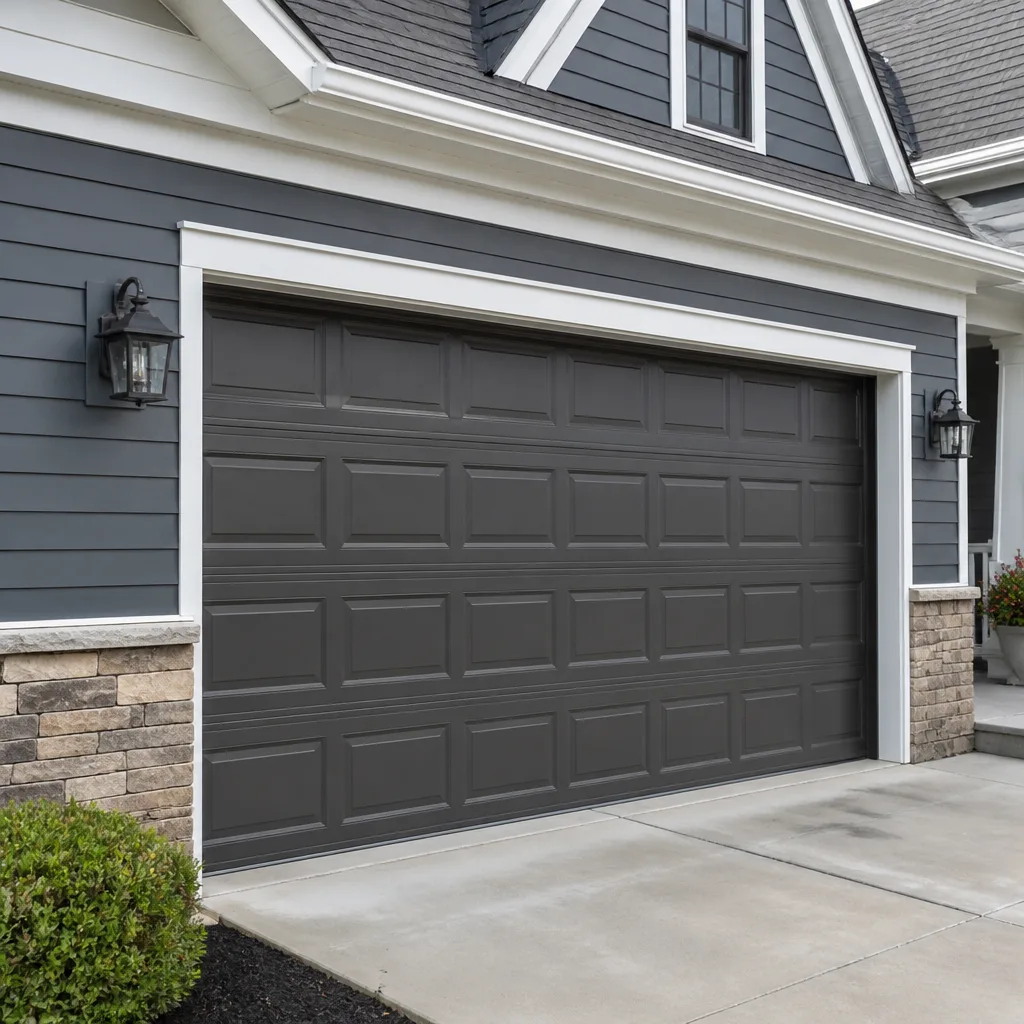 Raised-panel steel
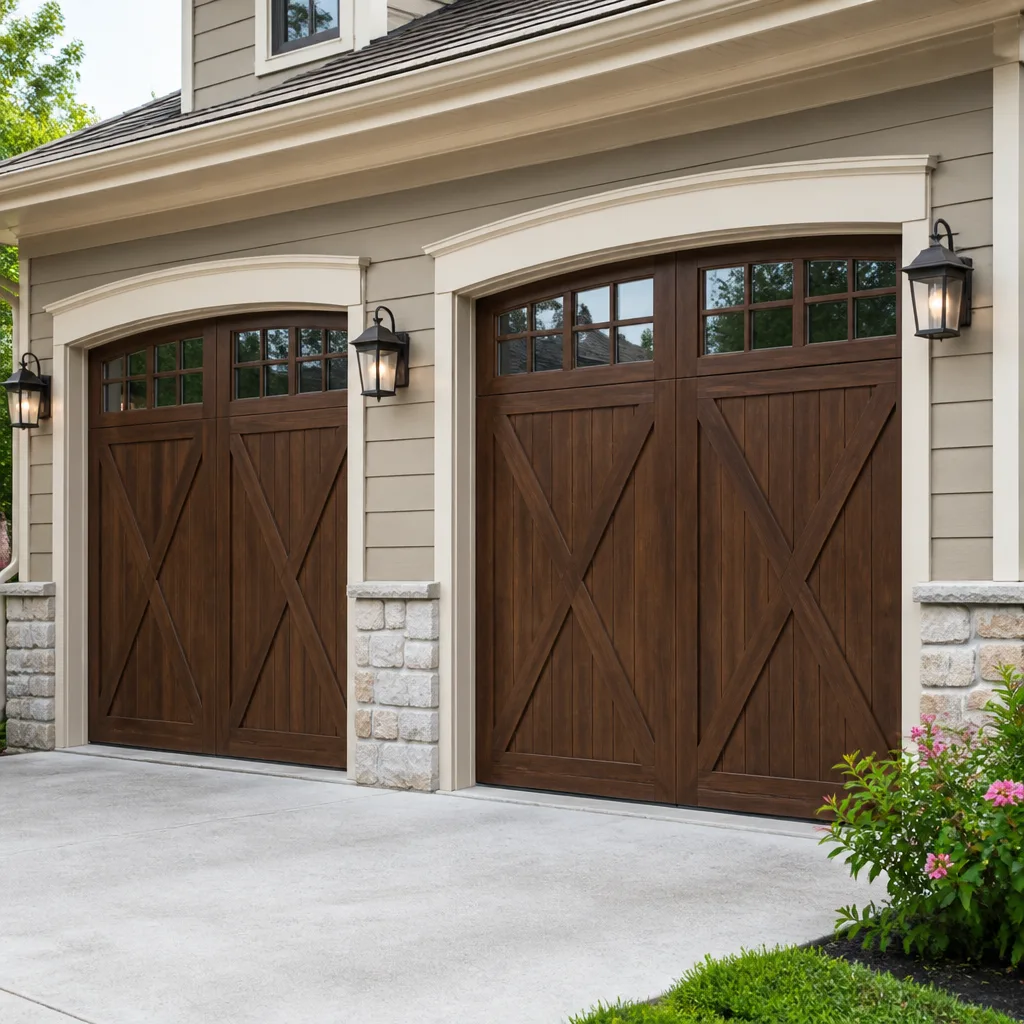 Carriage house
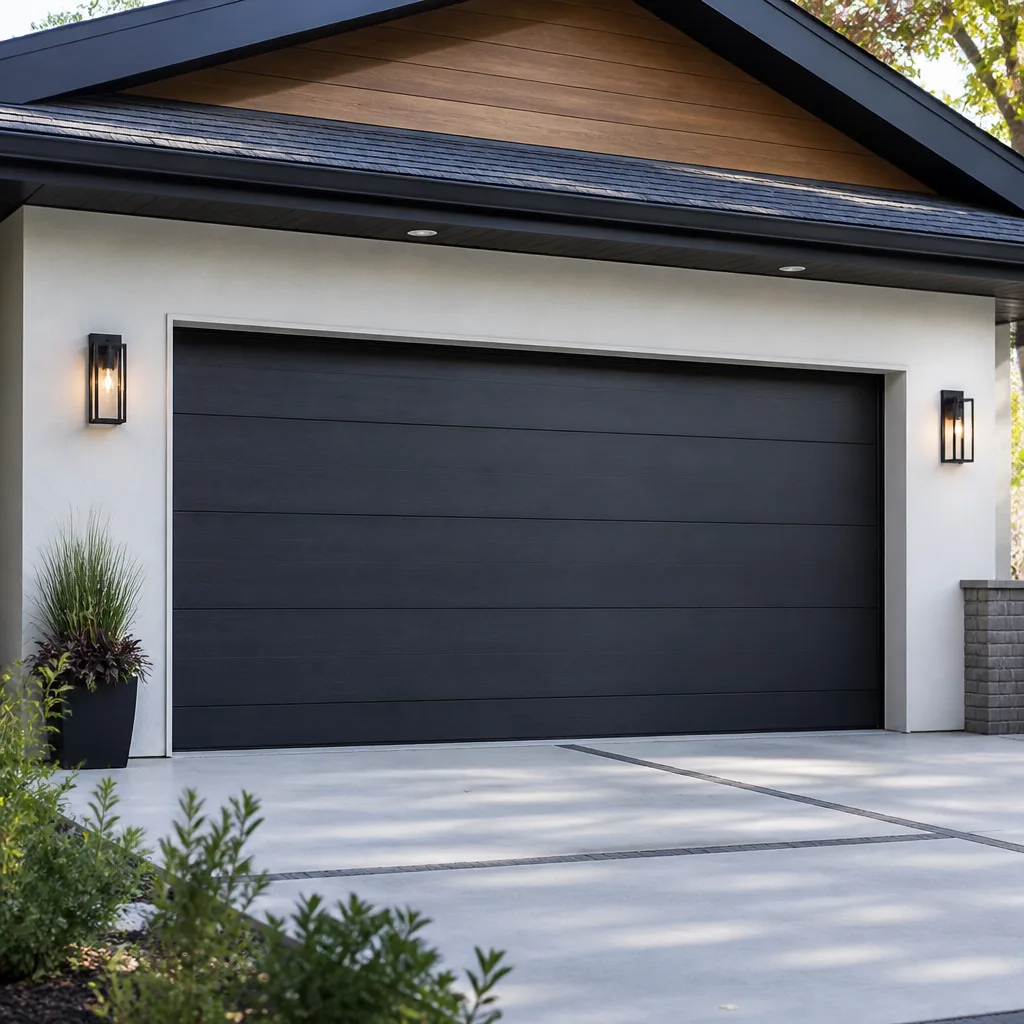 Modern flush
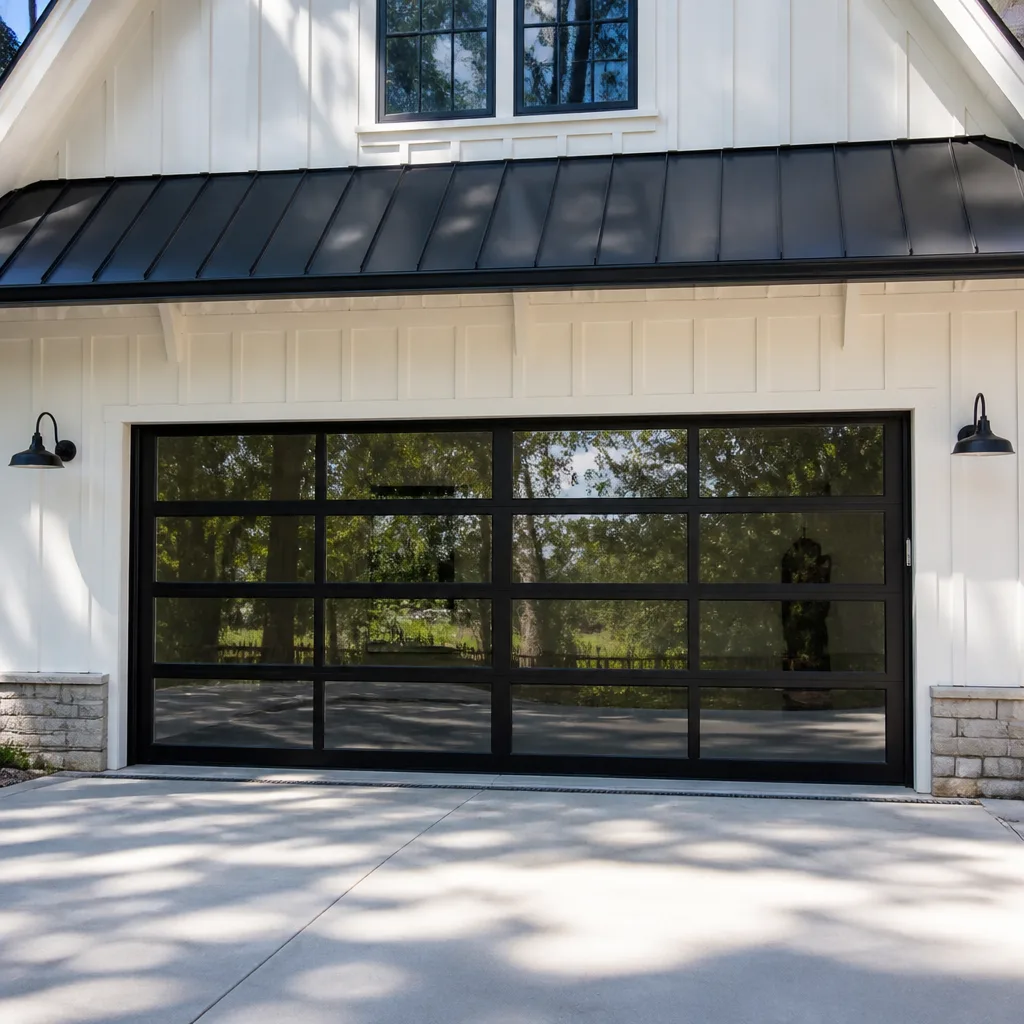 Full-view glass
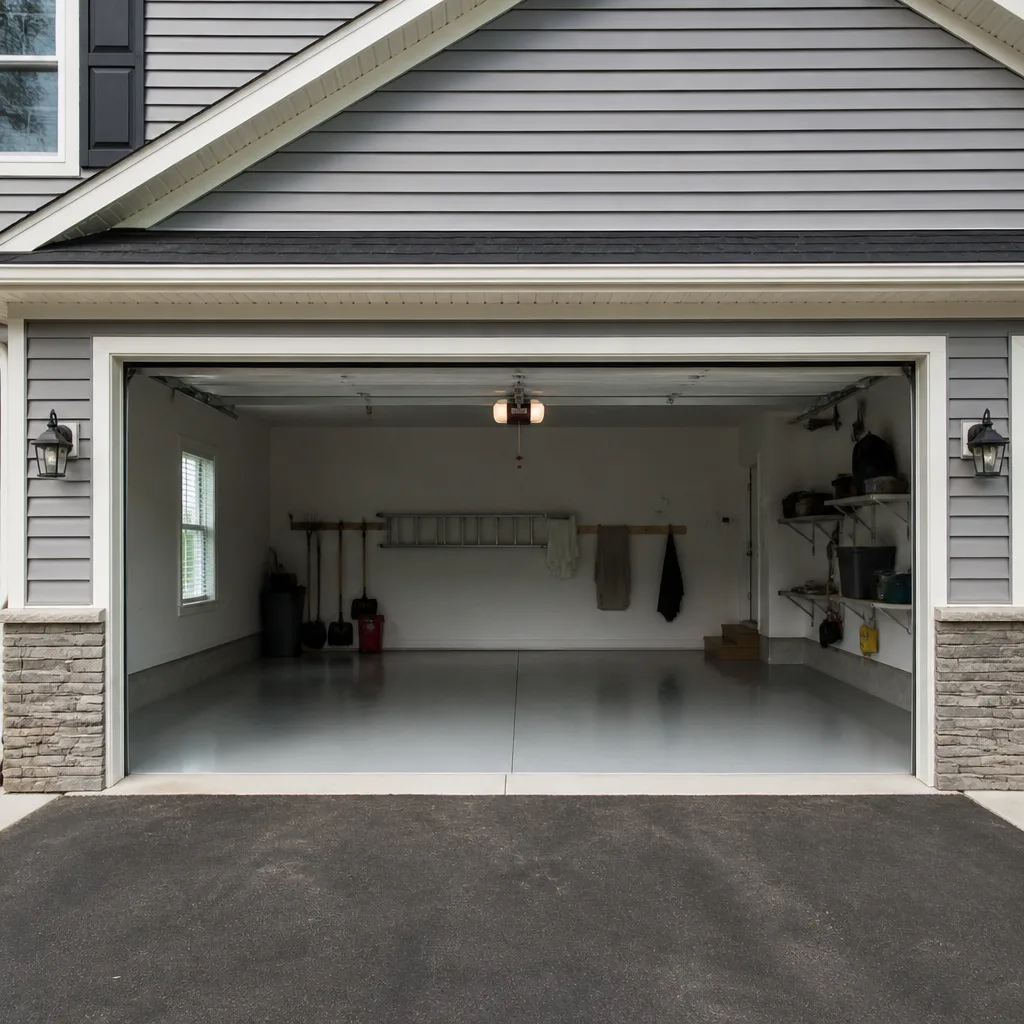 LiftMaster openers
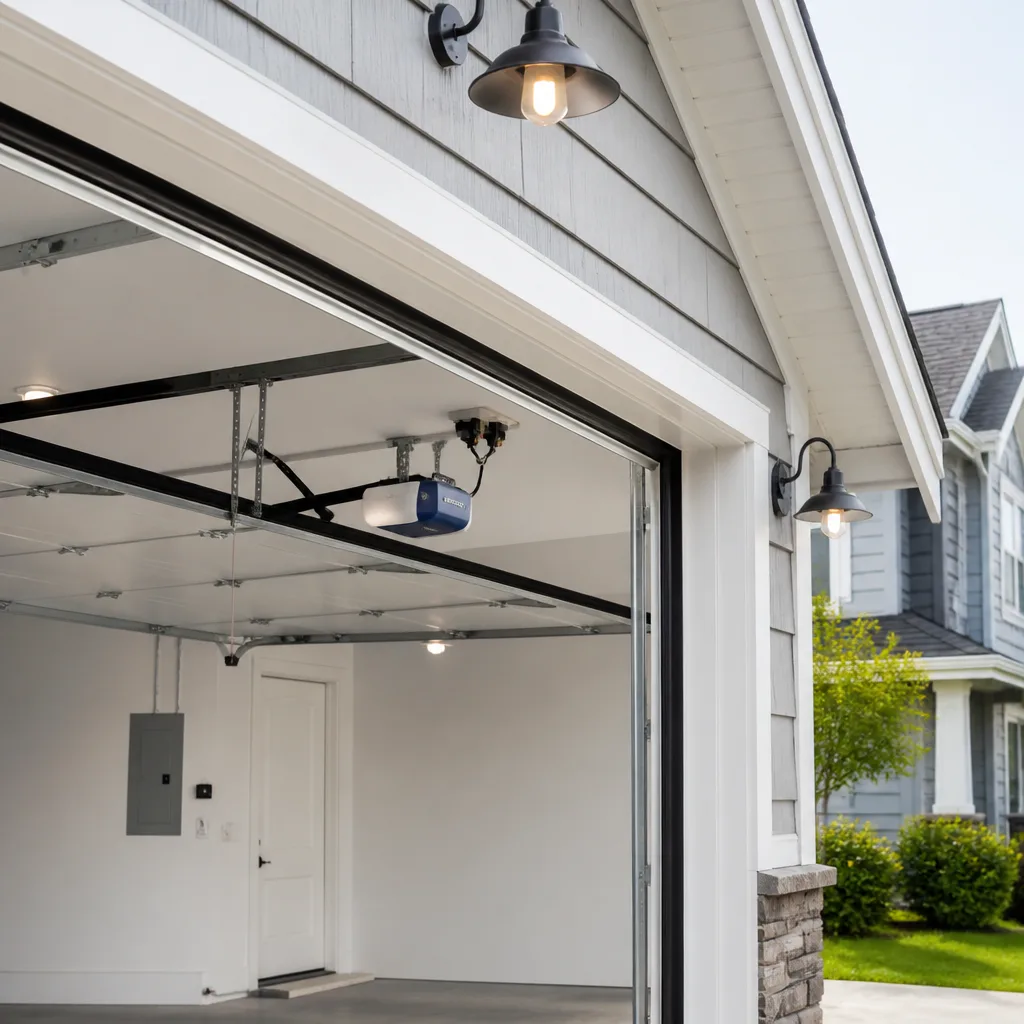 Chamberlain openers
Full 25-point door and opener safety check with every visit - springs, cables, rollers, tracks, and your LiftMaster or Chamberlain opener included
You get a price before we start. It does not change when the pro arrives.
Get your free estimateGarage Door Permits, Codes & Inspections in Holmesburg, PA: What You Need to Know
Most homeowners assume a new garage door is a simple swap. Order the door, pull the old one, bolt the new one on. But in Philadelphia, the permit question hinges on something subtler than the door itself: whether the opening changes. A same-size replacement in a Holmesburg rowhouse garage often needs no permit at all. Widen that opening by three inches so a wider door will fit, and you’ve moved into structural territory that requires review. That single distinction catches buyers, sellers and even some contractors off guard. This guide walks through when Philadelphia’s Department of Licenses and Inspections gets involved, what the code says about fire-rated doors on attached garages, how historic district status affects your choices, and how to pull a permit the right way.
Quick Answer
In Holmesburg, replacing a garage door with a like-for-like door of the same size in the same opening typically does not require a building permit from Philadelphia’s Department of Licenses and Inspections. Any change to the opening itself (widening, raising, altering the header or framing) does require a permit and structural review. If your garage is attached to living space, the door must meet fire-rated requirements, and homes in designated historic districts may need design approval before visible exterior changes.
Styles & brands we work with
- Raised-panel steel
- Carriage house
- Modern flush
- Full-view glass
- LiftMaster openers
- Chamberlain openers
Table of Contents
- Does a Garage Door Replacement Need a Permit in Philadelphia?
- When Widening or Raising an Opening Triggers Structural Review
- Fire-Rated Doors on Attached Garages
- Historic District Rules and Visible Door Changes
- What Inspectors Actually Look For
- Pulling the Permit Yourself vs. Having Your Contractor Do It
- How Holmesburg’s Housing Stock Shapes the Rules
- Common Mistakes to Avoid
Does a Garage Door Replacement Need a Permit in Philadelphia?
Usually no, but the details matter. Under Philadelphia’s building code, routine maintenance and replacement of a fixture or finish in the same location and same size generally falls under ordinary repair, which doesn’t require a permit. A garage door is treated much like a window replacement: if you’re putting back what was there, in the same opening, at the same dimensions, the city does not typically require a permit.
Here’s where the lines blur. A like-for-like swap usually means:
- The rough opening stays identical in width and height.
- The header, jack studs and framing remain untouched.
- No structural members are cut, moved or added.
- The door is not being upsized to a heavier model that changes the load on the header.
What usually does require a permit:
- Widening or raising the opening, even by a few inches.
- Changing door type in a way that alters the structural load (for example, converting a small swing-out door into a full sectional door).
- Any work in a fire-rated assembly where the door is part of the firewall between garage and house.
- Adding a new door opening where none existed, or converting a wall into a garage bay.
If you’re unsure which category your job falls into, the fastest answer comes from calling Philadelphia’s Department of Licenses and Inspections directly, or asking a garage door specialist who’s worked through the process before. When we’re assessing a garage door repair job, we tell homeowners straight: if the opening isn’t changing, the permit question is almost always simple. If the opening is changing, slow down and get proper review.
One more wrinkle: even if a permit isn’t required, the installation still has to comply with current code when the door is part of a rated wall. Doing the work without a permit doesn’t exempt you from meeting code. It only removes the inspection step that would have confirmed it.
When Widening or Raising an Opening Triggers Structural Review
This is the trap that catches the most homeowners in Holmesburg. You want a wider garage door for a newer, wider vehicle. Three inches on each side. Seems minor. But in a wood-frame or brick-faced garage, every inch you take out of the header and framing changes how the load transfers.
A garage door opening is a structural bay. The header (the beam over the door) carries the weight of everything above it. The jack studs on each side carry the header. The king studs carry the jack studs. Move any of these and you’re not swapping a door anymore. You’re doing structural work, and that goes through Philadelphia’s building code as a structural alteration.
The process when structural review is triggered looks roughly like this:
- Drawings and calculation. A licensed architect or engineer prepares plans showing the enlarged opening, the new header sizing and the load path.
- Permit application. The plans go into Philadelphia’s Department of Licenses and Inspections for review as an alteration permit.
- Plan review. The city checks that the enlarged opening still meets the code for structural adequacy and fire-rating (see the next section).
- Permit issued. Once approved, work can begin under the approved plans.
- Inspection. The framing is typically inspected before the new door is installed, and the completed opening is inspected afterward.
That’s a slower, more expensive path than a straight door swap. But it’s the honest path, and it protects you when you go to sell. An unpermitted opening modification that shows up on a buyer’s inspection can stall a closing, and it usually costs more to fix retroactively than it would have to do right the first time. In our experience, that’s the single biggest reason Philadelphia homeowners end up calling us mid-transaction: the door itself is fine, but the paperwork trail isn’t.
If you suspect the opening will need to change, plan the whole job as a replacement-and-structural project, not a repair. That’s the sort of work that lines up with our garage door installation service, and it gives you a chance to size the door correctly the first time rather than settle for what fits the current opening.
Fire-Rated Doors on Attached Garages
If your garage is attached to the house, the wall between them is part of a fire separation assembly. That wall is rated, and the door in it is part of the rating. When you replace a garage door in that wall, the new door generally has to match or exceed the rating of the original – because the code is protecting the living space from a garage fire, not the other way around.
Here’s the practical part most homeowners don’t know: many attached garages in Holmesburg and the surrounding Northeast Philadelphia neighborhoods have a standard door, and there is no visible stamp or label confirming a fire rating. That doesn’t mean the door is non-compliant. It means you can’t rely on the label to prove it. So how do you check?
- Look for a manufacturer label or a fire-rating stamp on the door panel edge or the track. It’s often small and easy to miss.
- Ask the previous owner, or check the original building permit file at the city if the home was built or altered recently enough to have records.
- Look at the door itself. Fire-rated garage doors are typically labeled by the manufacturer and constructed to a specific standard; a generic door with no label is often not rated.
- If there’s any doubt and the garage is attached, have the door inspected. A specialist can identify rated vs. non-rated construction.
Why this matters: replacing a rated door with a non-rated one can void the rated assembly even though the door functions. That’s a code issue, and it’s the kind of thing that comes up at inspection or during a resale. It’s also a genuine safety matter – a garage fire that reaches a non-rated door can spread into the home faster than a rated assembly would allow. If your attached garage has a fire-rated door, the new door should too. If you’re not sure, we can look at it before any replacement goes in.
Historic District Rules and Visible Door Changes
Parts of Northeast Philadelphia, including sections of Holmesburg, fall within or near historic districts. If your property is in one, the practical rule is this: changes to the street-facing appearance of a building usually require review by the Philadelphia Historical Commission before work begins, even when a building permit isn’t required.
What that means for a garage door replacement:
- Visibility matters. A door that faces the street is treated differently than a side or rear door that no one sees.
- Material matters. In a historic district, the commission often expects the new door to match the material and style of the existing door or the district’s character. A modern steel door replacing an original wood door may draw scrutiny.
- Color and style matter. Panel style, glazing and paint color can all factor into whether a proposed change is approved.
- Timing matters. Review takes time, and starting work before approval is a common and expensive misstep. Get the approval first.
The worst outcome is putting a door in and then learning it needs to come back out. If you’re in a historic district, call the Historical Commission before you order anything. Ask specifically what the review process looks like for a garage door replacement on your property. Ask what documentation they want – photos of the existing door, manufacturer specs for the proposed door, sometimes a drawing. Then order the door that fits the approved specification.
A door specialist who’s worked on Holmesburg properties will know which streets are inside district boundaries and which are outside. That’s part of what you’re paying for, and it’s a conversation worth having before a door gets ordered. Clopay and Amarr both offer door lines that come in multiple material and finish options, which helps when you’re working within a district’s design expectations.
What Inspectors Actually Look For
When a permit was required and an inspection is scheduled, the inspector isn’t looking for things to fail. They’re confirming the work matches what was approved and that it meets code. Knowing what they check keeps the process predictable.
The typical areas an inspector examines on a garage door installation or opening change:
- Framing and header. If the opening was altered, the header must be sized and installed per the approved plans. Blocking and attachment of the door to the framing also get checked.
- Fire separation. On an attached garage, the wall and door assembly need to hold up as a rated assembly. This includes the door, its frame, and any gaps or penetrations.
- Door operation and safety devices. On an automatic door, the safety reverse system and photo-eye alignment are checked for function. These aren’t code items in every jurisdiction, but they’re standard for a compliant installation.
- Clearances and egress. The door shouldn’t obstruct required clearances or the path between the garage and the house.
- Documentation. Plans on site, permit posted, and any product labels for fire-rated assemblies are usually part of the check.
A good installer knows this list before the first bracket goes in. That’s why we walk through the permit details with a client at the estimate stage, not the day of install. If you’re also dealing with an opener that’s failing, our garage door opener repair service covers Chamberlain and Genie systems and the rest of the major brands we work on, so the opener and the door get looked at as one system.
Pulling the Permit Yourself vs. Having Your Contractor Do It
You can pull a permit yourself in Philadelphia as a homeowner, provided you’re doing the work on your own primary residence and the scope allows it. But there’s a strong case for having the contractor pull it instead, and it’s mostly about liability.
When you pull a permit as the homeowner, you’re the applicant of record. If the work fails inspection or a code issue surfaces later, the city comes back to you. You also take on the responsibility for scheduling inspections, responding to correction notices and holding the contractor accountable if something wasn’t done to plan.
When the contractor pulls the permit, they become the applicant of record. They’re obligated to do the work to the approved scope and to pass inspection. If a follow-up fix is needed, it’s on them. That structure protects the homeowner in a way that’s hard to replicate when the permit sits in your own name.
There’s also a practical advantage. Contractors who work in Holmesburg regularly know the counter process, the typical review timelines and the documentation L&I wants. That familiarity shortens the process. It also means the plans filed match how the job will actually be built, which reduces the chance of a correction that pushes the whole timeline.
We generally recommend letting the contractor pull the permit when a permit is required. It’s cleaner, it puts the accountability where the work is, and it keeps the homeowner out of the review loop. If you’re already working with us on a job that needs a permit, we’ll tell you up front and walk you through what to expect.
How Holmesburg’s Housing Stock Shapes the Rules
Holmesburg is a tight-knit Northeast Philadelphia neighborhood with a housing mix that ranges from early 20th century rowhouses to post-war brick singles. That range matters for garage work, because the code questions aren’t the same for every house.
Rowhouses and attached garages: here the fire separation rules are strict. If the garage shares a wall with the living space above or beside it, that wall and the door in it are part of a rated assembly. Any replacement door has to hold that rating. We’ve seen homes where a previous owner dropped in a generic door with no label, which means the rated assembly was compromised. Detecting that before a sale is better than discovering it during one.
Detached garages: less fire separation concern, more freedom in door choice. But older detached garages often have openings that were never built to a modern standard of framing, and a heavier new door can strain existing structure. That’s a place where a repair-vs-replace conversation is genuinely useful.
Neighborhood climate: Holmesburg sees humid summers, hard freezes, and the kind of year-round swings that work wooden doors and stress steel ones. If your garage is unconditioned, the door cycles through expansion and contraction every season. None of that changes what the permit rules require, but it does affect what kind of door will last. A Clopay or Amarr door rated for your climate range will hold up better than a door sized only for opening dimensions.
Historic-adjacent blocks: some Holmesburg streets are within designated historic districts, others aren’t. The distinction is not always obvious from the address, so check with the city before assuming.
Keep the whole picture in mind when planning the job. If you’re doing a repair and the door has reached the end of its useful life, that’s exactly the moment to look at whether a replacement makes more sense. We’re happy to lay out both paths. If it’s a garage door problem, it’s the only kind of problem we solve, and our Garage Door Repair Holmesburg work is the same discipline whether the answer is fix or replace.
Common Mistakes to Avoid
- Assuming a like-for-like swap needs no permit without checking. If the opening changes at all, even an inch, the rules shift. Call L&I or a specialist before assuming either way.
- Widening the opening to fit a wider door without plans. The header and framing on a Holmesburg rowhouse garage aren’t usually oversized. Widening without structural review is the classic unpermitted job that surfaces at resale.
- Replacing a fire-rated door with a non-rated door on an attached garage. The rated assembly is only rated if every piece of it is. A beautiful new door that breaks the rating is a code problem.
- Ordering a door in a historic district before checking. Commission review takes time, and a door installed before approval can be required to come out. Check first, order second.
- Pulling the permit yourself on work you’re hiring out. It sounds responsible, but it leaves you holding the bag for inspections and corrections. Let the contractor be the applicant of record.
- Skipping the inspection because the door looks fine. If a permit was issued, the inspection is part of the bargain. An unclosed permit can become a problem when you sell.
- Not asking whether the opener is compliant with current safety standards. A new door often exposes an old opener. If the door has safety eyes installed, they need to work correctly; if not, they should be added. Genie and Chamberlain openers are both common in Holmesburg garages, and both have known failure modes when the sensors degrade.
See the difference
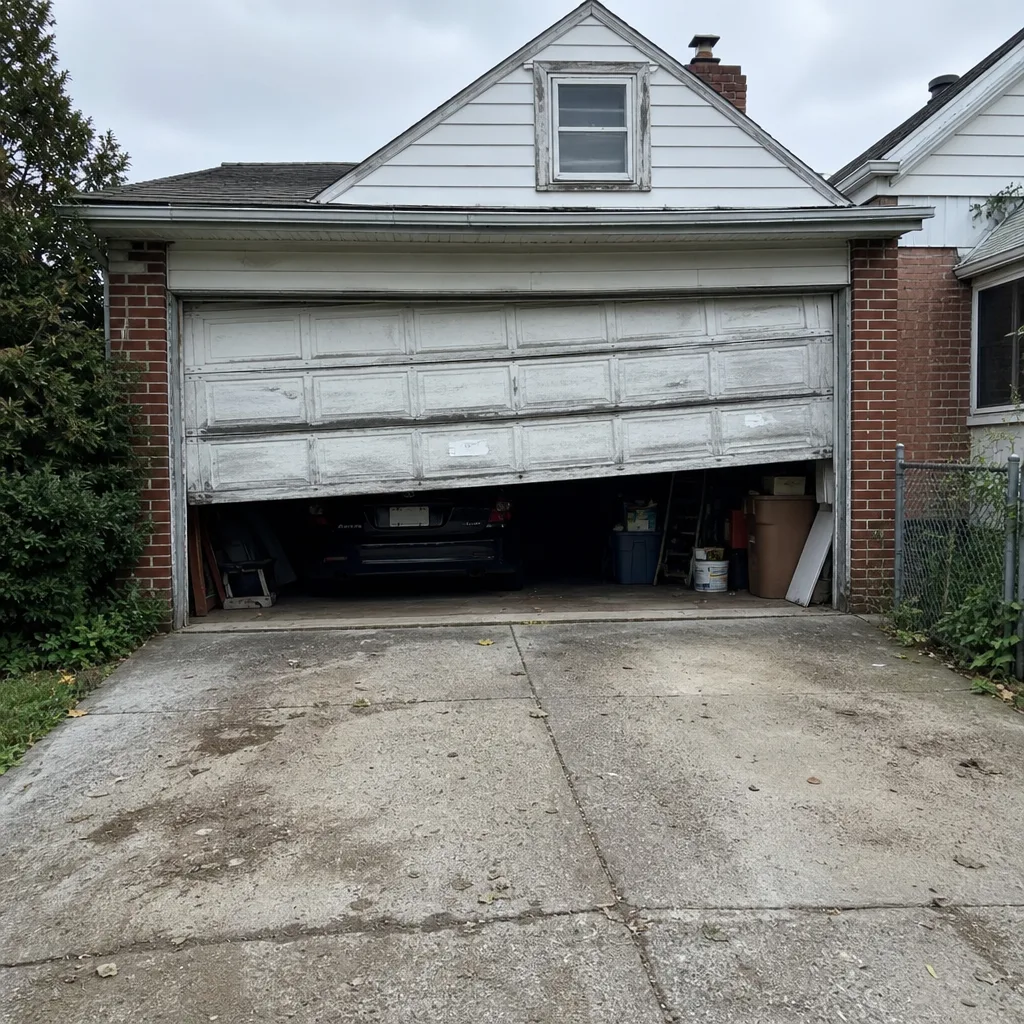 Before
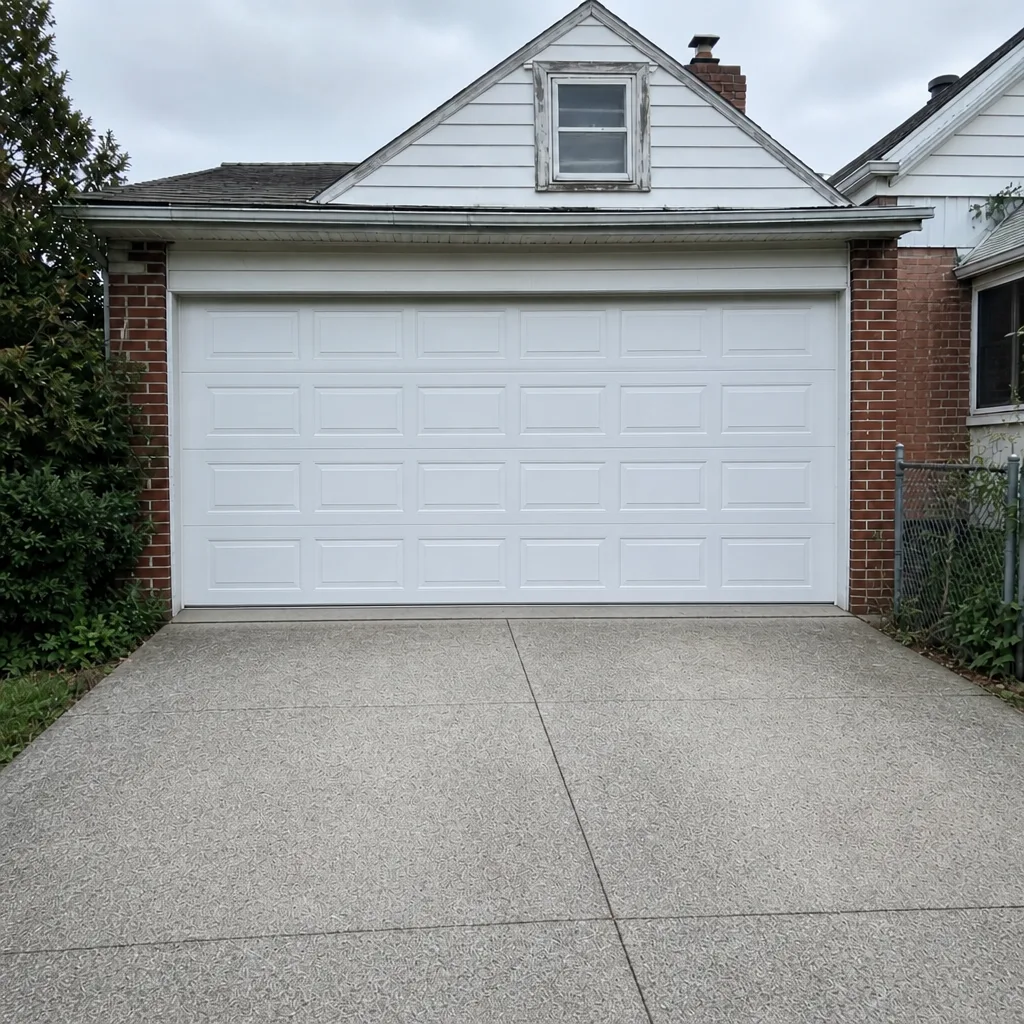 After
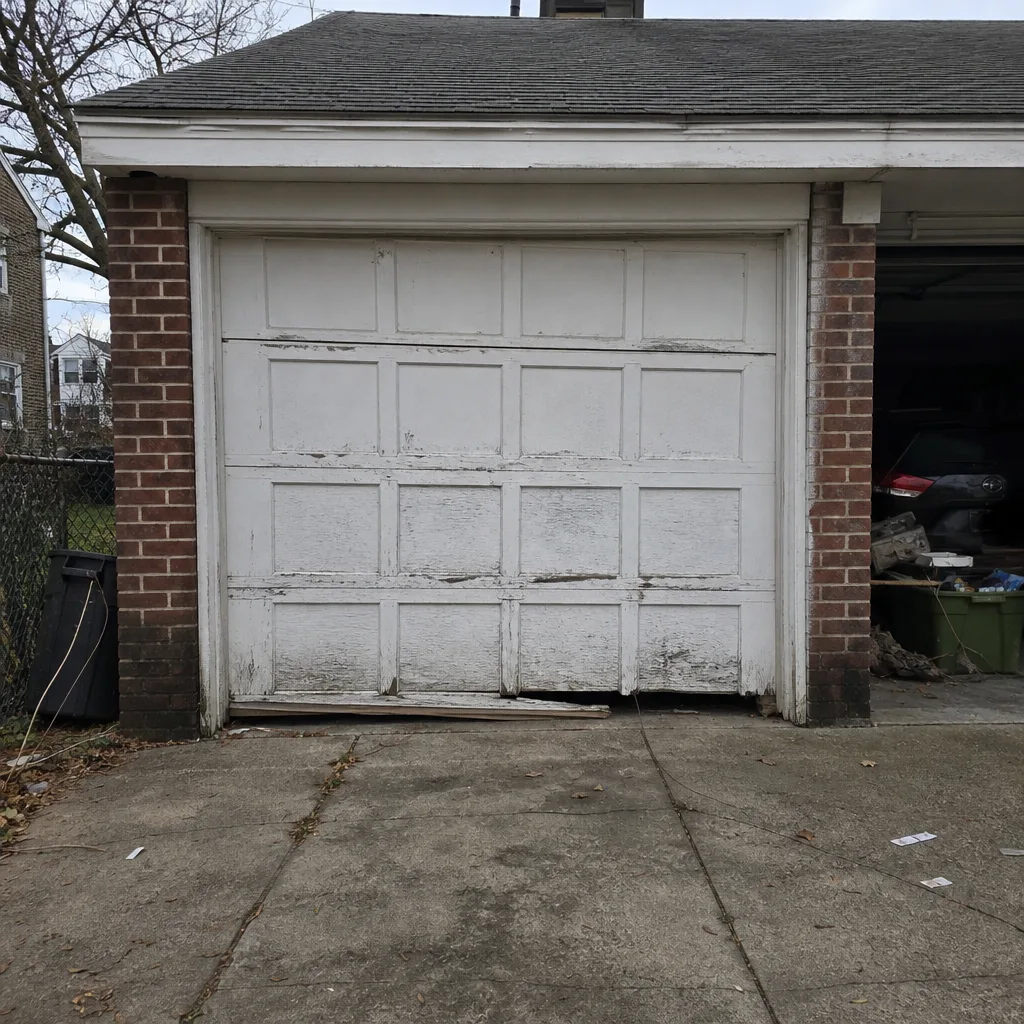 Before
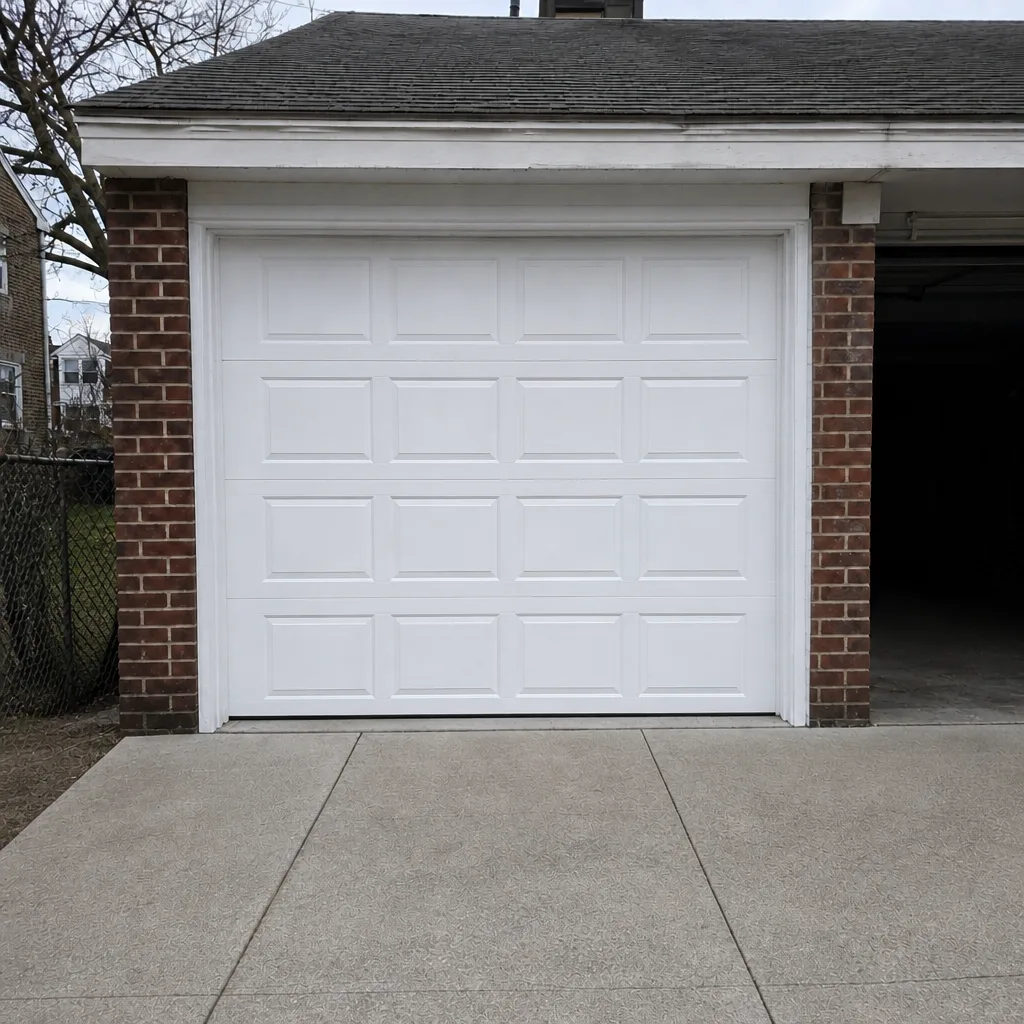 After
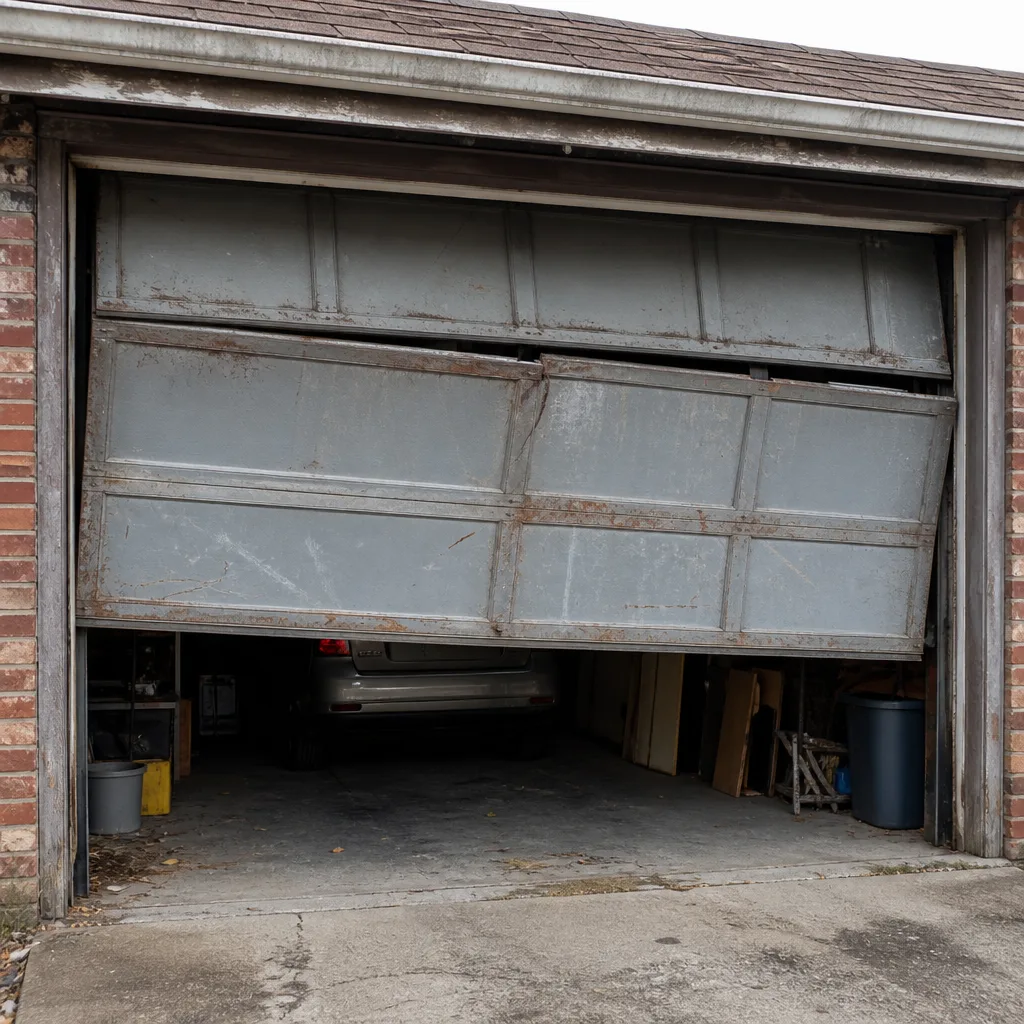 Before
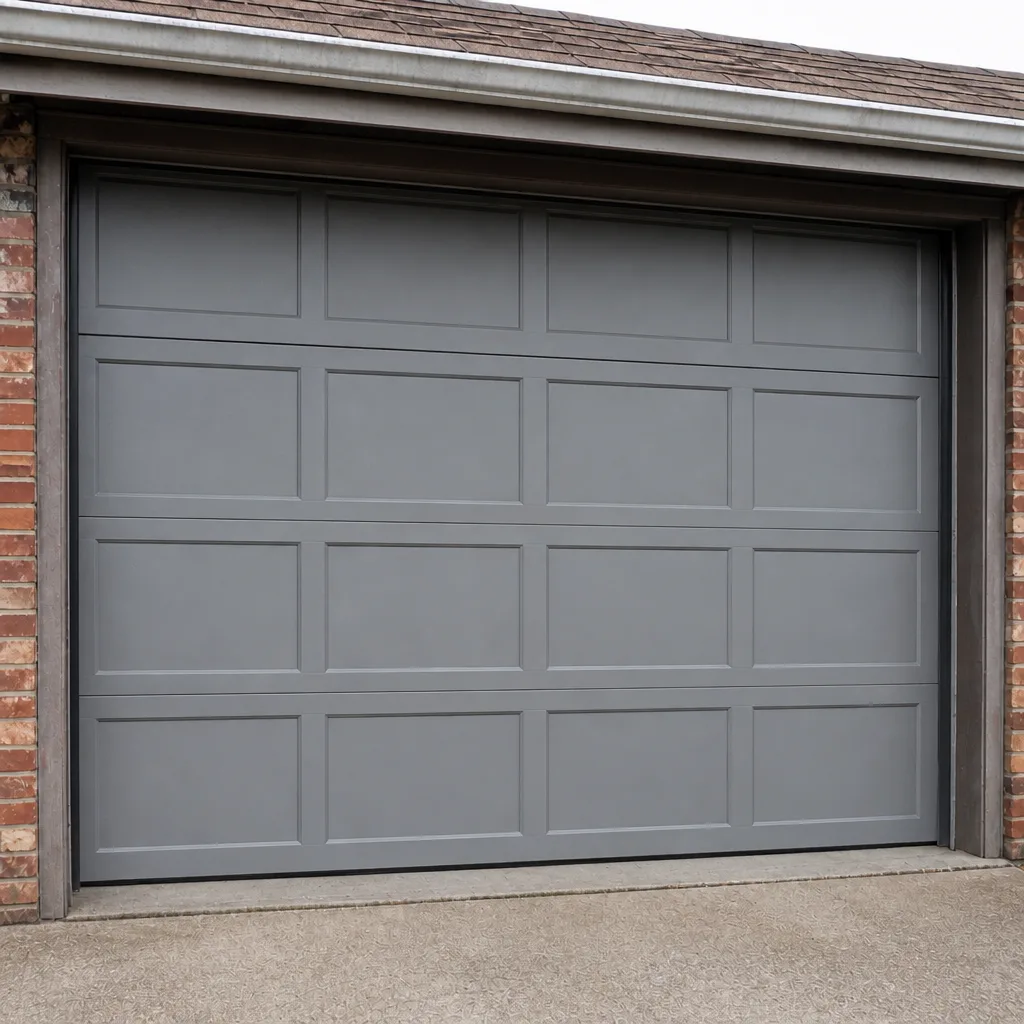 After
When to Call a Professional
Some jobs are fine to think through on your own. A well-used door that’s just starting to drag, a weather seal that’s past its time, a remote that needs reprogramming – none of that needs an emergency call. But there are specific scenarios in Holmesburg where calling a garage door specialist is the right move, not a delay tactic.
Call if the opening needs to change. Widening, raising, or converting a bay is structural work, and the code path is real. Call if the garage is attached and you’re replacing a door and you don’t know whether the old one was fire-rated. Call if you’re in a historic district and the door faces the street. Call if a spring has broken – torsion and extension spring work is the highest-risk repair in this trade, and doing it without the right tools or training is genuinely dangerous. Call if the opener has failed and the door is stuck in place. Emergency service is a real offering here, not an upsell. Garage Door Repair Holmesburg offers free estimates in Holmesburg – call (833) 509-3024.
Frequently Asked Questions
Usually no, if it’s a like-for-like replacement in an unchanged opening. A building permit is typically required if you alter the opening, change the structural load, or replace a door that’s part of a fire-rated assembly in an attached garage. When in doubt, call Philadelphia’s Department of Licenses and Inspections to confirm your specific job. For an exact view of what your project involves, call (833) 509-3024 – estimates are free.
Timeline depends on the scope. A straightforward replacement where a permit is required usually moves through faster than an alteration that includes structural plans, which gets a full plan review. The city is the right source for a current estimate on your specific application. If you’re planning the job around a closing date, build in time for review and inspection from the outset.
You can, if the work falls within what Philadelphia allows a homeowner to permit on a primary residence. But it’s almost always better to have the contractor pull it, because the applicant of record is the party responsible for corrections and inspections. Letting the contractor hold the permit keeps the accountability where the work is. Call (833) 509-3024 if you want to talk through which route makes sense for your job.
It is if the garage is attached to the house and the wall between them is a rated assembly. In that case the door is part of the fire separation and must meet the rating. Many Holmesburg homes with attached garages fall into this category, though not all doors carry a visible label confirming the rating. A specialist can identify whether your door is rated before you replace it.
You’ll likely need review by the Philadelphia Historical Commission before visible exterior changes, including a street-facing garage door. Review covers material, style and sometimes color. Get approval before ordering or installing. A door specialist who’s worked in the area can help you plan the review into the timeline instead of discovering it mid-project.
The local professionals we connect you with are licensed and insured as their state requires. Our technicians have up to 9 years of experience working on garage doors and openers from LiftMaster, Chamberlain, Genie, Clopay, Amarr, Wayne Dalton, Craftsman and Raynor. Pricing is quoted and agreed before any work starts, so there are no surprises once the job is underway. Call (833) 509-3024 for a free estimate.
The Bottom Line
Permits, codes and inspections aren’t the glamorous part of getting a new garage door in Holmesburg. They are, however, the part that decides whether a door is just a door or a door plus a paperwork problem that runs into thousands at resale. The core rules are simple. Same-size swap in an unchanged opening: usually no permit. Opening changes: permit and structural review. Attached garage: fire rating matters. Historic district: check before you order. Pull the permit through the contractor, not the homeowner, when the job requires one. Our technicians have up to 9 years of experience working through these jobs, and we’re glad to walk through the specifics of yours. Get the details right the first time and the door is just a door – which is the whole point.
If you’re planning a garage door job in Holmesburg, or you’re not sure whether a permit applies, call Garage Door Repair Holmesburg at (833) 509-3024 for a free estimate. We’ll tell you what the job needs and what it doesn’t, up front, before any work begins.
Written by the team at Garage Door Repair Holmesburg.