Last updated November 21, 2026
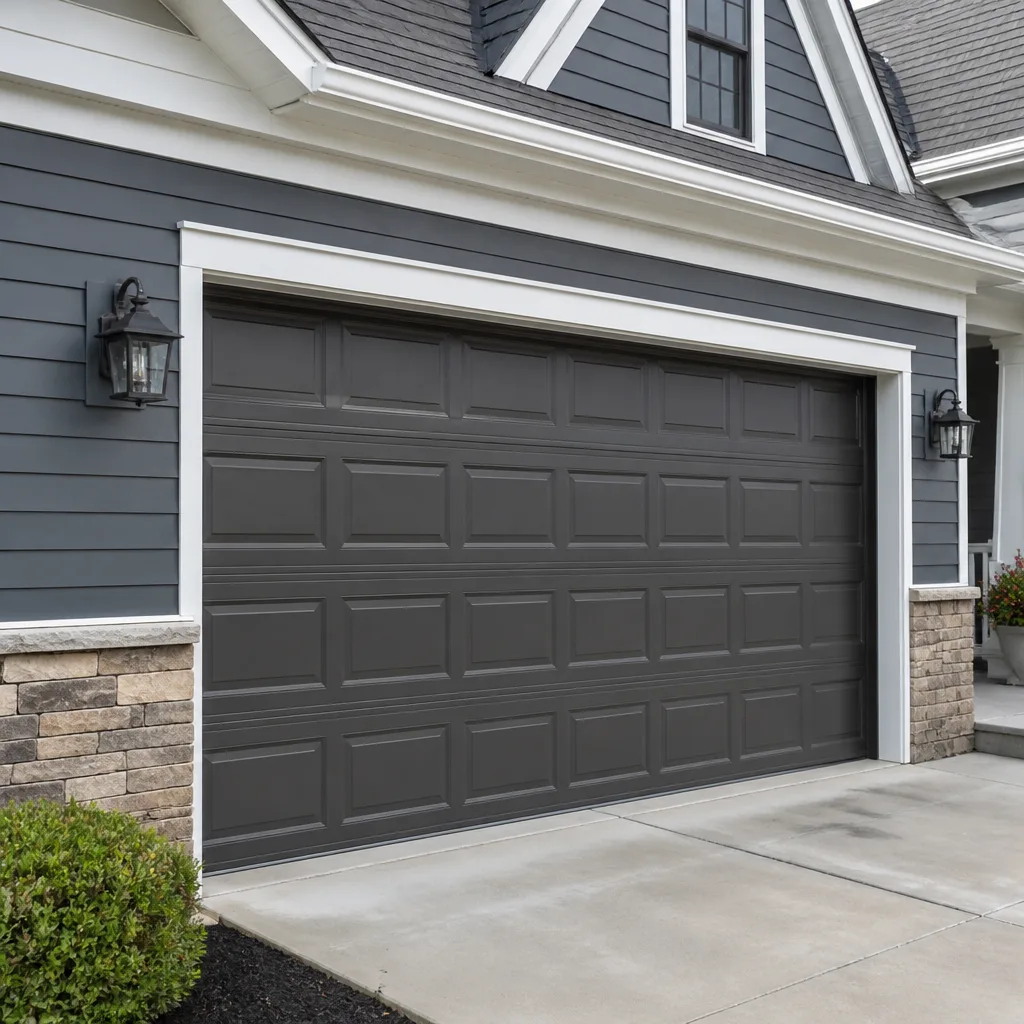 Raised-panel steel
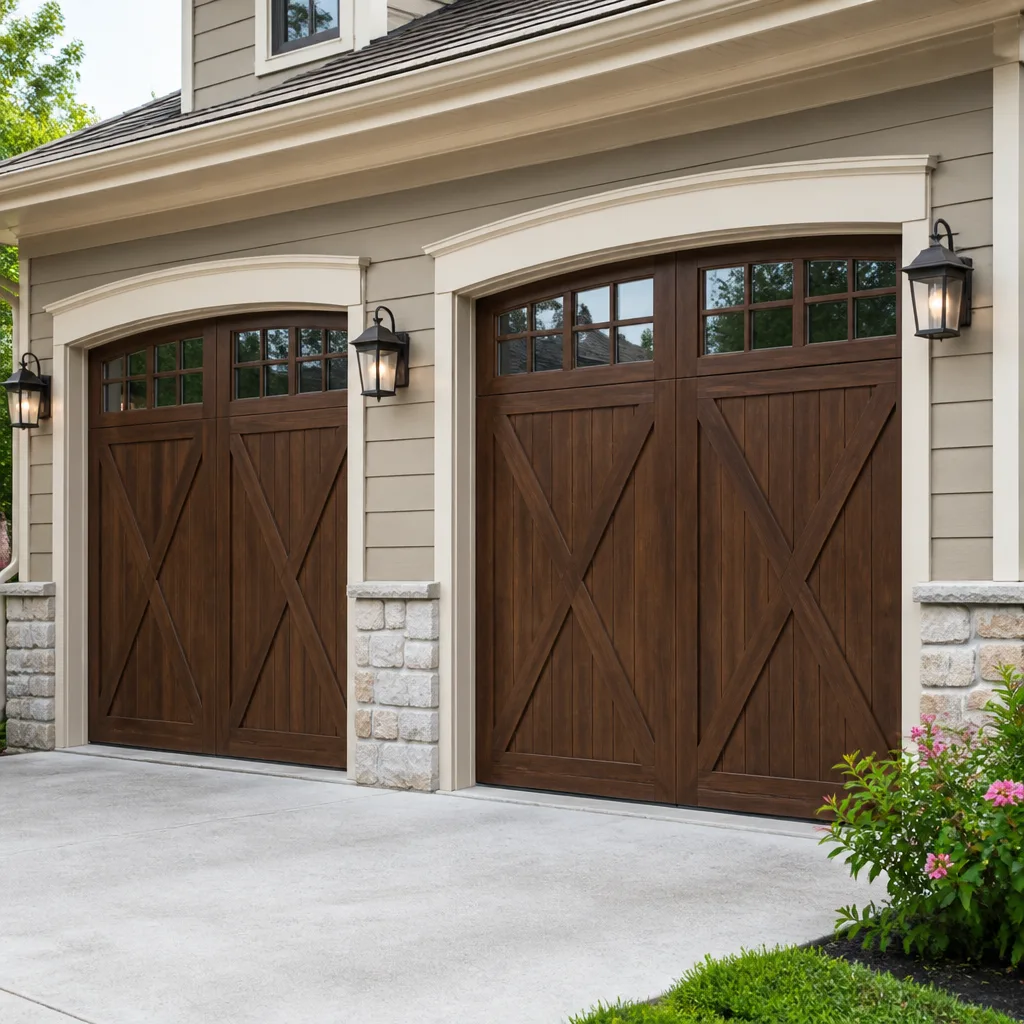 Carriage house
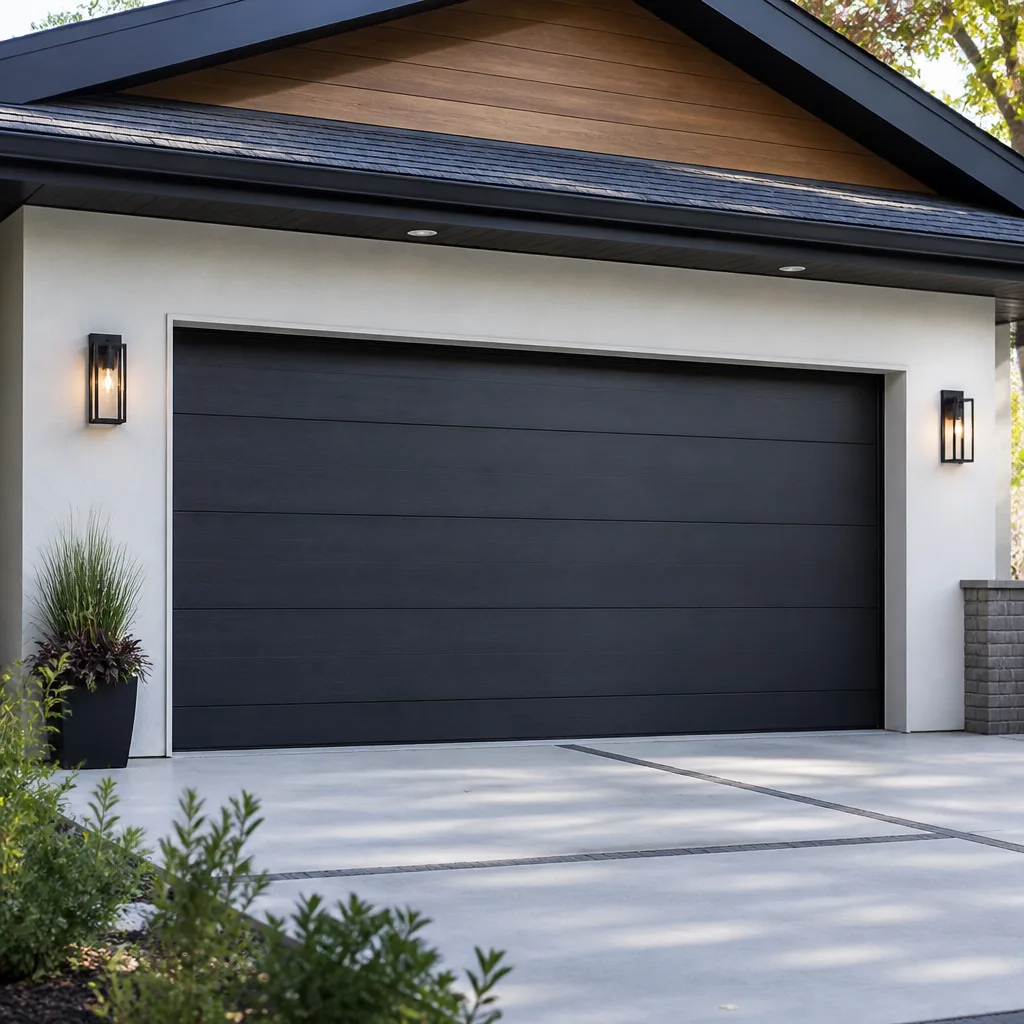 Modern flush
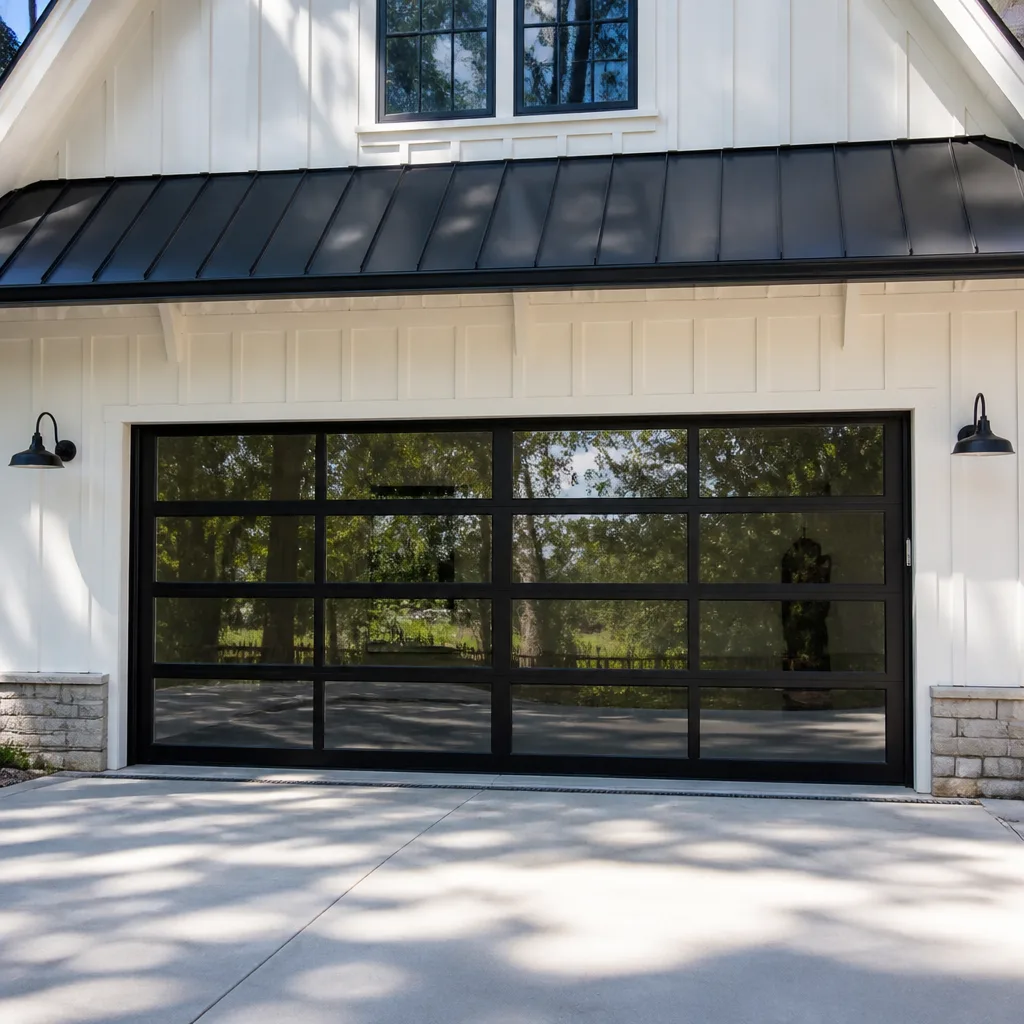 Full-view glass
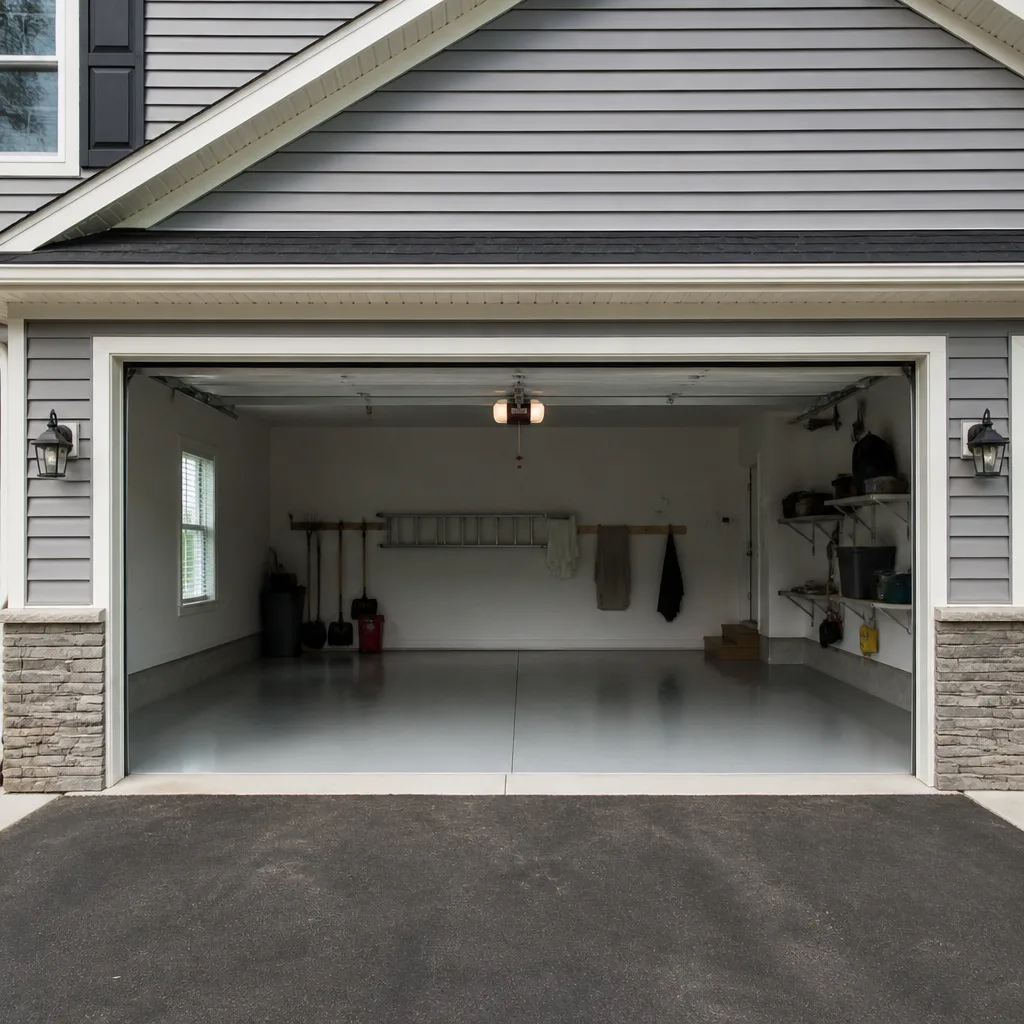 LiftMaster openers
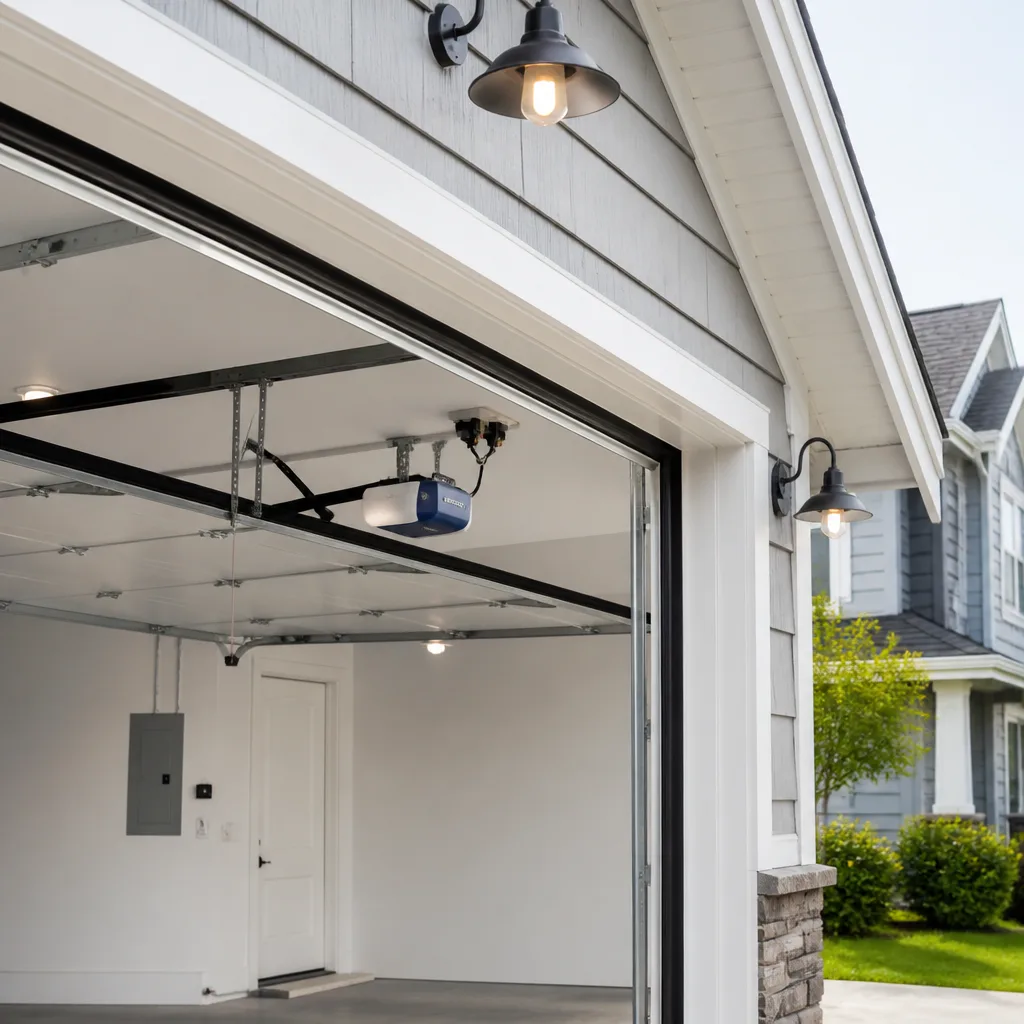 Chamberlain openers
Full 25-point door and opener safety check with every visit - springs, cables, rollers, tracks, and your LiftMaster or Chamberlain opener included
You get a price before we start. It does not change when the pro arrives.
Get your free estimateGarage Door Repair Maintenance Checklist for Holmesburg Homeowners
The word “lubricate” appears on every garage door checklist online. Not one of them tells you what a correctly lubricated spring actually feels like versus one that’s about to fail. That gap is the whole problem with most maintenance advice: it names the task but skips the test. You’re told to “inspect the springs,” but nobody tells you what you’re inspecting for. You’re told to “check the balance,” but not what a failing balance feels like in your hands. This guide fixes that. We’re going to translate the vague checklist items into the specific sounds, resistance, and visual cues a Holmesburg homeowner can check without a toolbox. By the end you’ll know what a healthy door looks like, what a tired one looks like, and when to stop looking and call someone.
Quick Answer
A garage door maintenance checklist for Holmesburg homeowners should cover four things: lubrication with the right product (not WD-40 on the springs), a balance and safety test you can run in ten seconds, a visual inspection of springs, cables, rollers, and tracks, and seasonal adjustments for the freeze-thaw cycles that work on bottom seals and track alignment here in Northeast Philadelphia. Do the visual checks monthly, the lubrication quarterly, and call a specialist the moment you see a stretched spring gap, a frayed cable, or a door that won’t stay balanced.
Styles & brands we work with
- Raised-panel steel
- Carriage house
- Modern flush
- Full-view glass
- LiftMaster openers
- Chamberlain openers
Table of Contents
- How Do You Tell a Door That Needs Maintenance from One That Needs Repair?
- Where Does Lubricant Actually Go, and What Should You Never Use?
- What Is the 10-Second Balance Test?
- A Part-by-Part Inspection You Can Do Without Tools
- Seasonal Adjustments for Holmesburg’s Freeze-Thaw Cycles
- What Your Door’s Sounds Are Telling You
- How to Keep a Maintenance Log That Actually Helps
- Repair or Replace: Reading the Signs
How Do You Tell a Door That Needs Maintenance from One That Needs Repair?
A door that needs maintenance still moves smoothly and sounds roughly the same as it always has. A door that needs repair has changed in a specific, noticeable way: a new grind, a new hesitation, a visible gap where there wasn’t one, or a door that lifts unevenly. The distinction matters because routine maintenance is a homeowner job and repair is not. One keeps a healthy door healthy. The other addresses a mechanical problem that will get worse if you ignore it.
Here’s the practical way to think about it. Maintenance is about friction and alignment. Repair is about tension and structure. If the issue is a dry roller squeaking or a track that’s a little out of line, that’s maintenance. If the issue is a spring that’s lost tension or a cable that’s frayed, that’s repair, and it’s the kind of repair that involves stored mechanical energy you don’t want to be near.
We’ve talked to plenty of Holmesburg homeowners who waited because they weren’t sure which category their problem fell into. The safe answer is always the same: if you’re unsure, treat it as repair and get it looked at. A technician can tell you in minutes whether you’re looking at a five-minute adjustment or a spring replacement. Here’s a quick way to sort it yourself:
- Still smooth, still quiet, just a little dusty: maintenance.
- New squeak or grind that comes and goes: usually lubrication or a worn roller, so maintenance.
- Door lifts crooked or feels heavier than it used to: tension problem, so repair.
- Visible gap in a spring coil, or a spring that looks stretched: repair, stop operating the door.
- Door reverses or won’t close all the way: safety system issue, so repair.
The visual and tactile tests in the sections below will sharpen each of those calls. The important thing is to make the call early, while it’s still cheap and simple.
Where Does Lubricant Actually Go, and What Should You Never Use?
Lubricant goes on moving metal-to-metal contact points, and it does not go on the springs’ coils themselves unless you’re using the right product. That’s the part most checklists get wrong. The rollers, hinges, and the bearing plates at the ends of the torsion bar are where you want a light lubricant. The torsion spring coils want a purpose-made garage door lubricant, applied lightly, to reduce coil-on-coil friction as the spring winds and unwinds. WD-40 is the wrong tool for this job, and it’s the single most common homeowner mistake we see.
Here’s why. WD-40 is a solvent and a light penetrating oil, not a durable lubricant. It’ll quiet a squeak for a day or two, then evaporate and leave the metal drier than before. On a torsion spring, it can wash away whatever protective coating is on the coils and attract grit. Grit in a spring coil is exactly what you don’t want. The right product is a silicone-based or lithium-based garage door lubricant, or a dedicated spring lubricant, applied sparingly. A little goes a long way. You don’t want drips collecting on your car.
Walk through the door with the door closed and the opener disconnected:
- Rollers: a drop of lubricant on the stem of each roller where it meets the hinge. Nylon rollers need very little; steel rollers need a bit more.
- Hinges: a drop at each pivot point. Wipe off excess so it doesn’t attract dust.
- Torsion spring coils: a light spray along the length of the coil, then run the door up and down twice to distribute it.
- Bearing plates: at each end of the torsion bar, a small amount where the bar meets the plate.
- Track: wipe the inside of the track with a dry cloth. Do not lubricate the track itself; the rollers roll, they don’t slide, and lubricant on the track just collects dirt.
What a correctly lubricated spring feels like: when you run the door up and down by hand, the spring should wind and unwind without a rasping or grinding note. It should feel smooth through the coils, not scratchy. If you hear a dry scrape as the door moves, the coils need attention. If you hear a clunk or a snap, stop and call a specialist, because that’s a tension problem, not a lubrication one. For anything that involves the torsion bar or the springs themselves, a garage door repair visit is the safer route than a homeowner adjustment.
What Is the 10-Second Balance Test?
The balance test tells you whether your springs are still doing their job. It takes about ten seconds and it’s the single most useful check in this whole guide. A well-balanced door is almost weightless in your hands because the springs are carrying the door’s weight for you. A door that’s lost spring tension feels heavy, drops fast, or won’t hold its position. That heaviness is the earliest warning you’ll get that a spring is losing tension, weeks or months before it snaps.
Here’s how to run it safely:
- Close the door and pull the opener release cord to disconnect the door from the opener. The door is now on its springs and tracks only.
- Lift the door by hand to about waist height, then let go.
- Watch what happens. A balanced door stays roughly where you left it. A door with weak springs drops back down. A door with too much spring tension drifts up on its own.
- Lower it gently back to the floor and reconnect the opener.
If the door drops hard or feels like it’s fighting you, don’t run the test again. That’s your sign that the springs are losing tension and you should stop operating the door and have it looked at. Doors that fail the balance test are the ones most likely to be on the edge of a spring failure, and operating a door with a failing spring can damage the opener, bend a panel, or worse.
In Holmesburg’s housing stock, a lot of doors are older and still running the original springs. The balance test is a quick monthly habit that catches tension loss early. If the door fails the test, that’s a spring repair situation, not a lubricate-and-forget situation. For the full picture on how springs are rated and replaced, see our spring repair guide.
A Part-by-Part Inspection You Can Do Without Tools
You don’t need a wrench or a gauge to catch most of the problems that lead to a repair call. What you need is your eyes, your ears, and a few minutes with the door closed and then open. Here’s the walkthrough we’d suggest to any Holmesburg homeowner, in the order that makes sense.
Springs
Look at the torsion spring above the door or the extension springs along the sides. A healthy spring is a tight, even coil. A failing spring shows a visible gap between coils, or a coil that’s stretched and uneven. If you see a gap, don’t test it further; call a specialist. If you have extension springs, check the safety cables that run through them. A broken extension spring without a safety cable is a real hazard.
Cables
Run your eyes along each cable. A healthy cable is a tight, even braid. A frayed cable has broken strands sticking out, or a birdcage look where the wire has separated. Frayed cables are repair territory. Don’t try to adjust or unkink a frayed cable yourself.
Rollers and Hinges
With the door down, look at each roller where it sits in the track. The roller should be round and quiet. A flat-spotted or cracked roller needs replacing. Hinges should be tight, with no wobble at the pivot. Loose hinges show up as a rattle when the door moves.
Panels and Seals
Look at each panel from inside the garage with the door closed. You’re looking for cracks, dents, or gaps between panels. Most Clopay, Amarr, and Wayne Dalton doors have a bottom seal that runs along the floor. Press a finger into it. If it’s hard, cracked, or torn, it’s not sealing, and you’ll feel it as a draft or see water getting in. A rainstorm is the fastest way to find out.
Tracks
Run your hand along the inside of each track, feeling for dents or bends. A track that’s been bumped out of line will make the door hesitate or grind. Don’t try to bend it back with a hammer; a bent track is usually a replacement.
Seasonal Adjustments for Holmesburg’s Freeze-Thaw Cycles
Holmesburg sits in Northeast Philadelphia, where the freeze-thaw cycle runs hard through winter. Water gets into small gaps during the day, freezes overnight, and expands. That expansion works on two parts of your garage door more than any others: the bottom seal and the track alignment. A checklist that doesn’t account for it is only half a checklist.
When temperatures drop, your bottom seal gets stiffer. A rubber seal that was pliable in October can be hard as a brick by January, and a hard seal doesn’t conform to a floor that isn’t perfectly flat. That’s why you might notice a draft or a small gap under the door in the middle of winter that wasn’t there in the fall. Press a finger into the seal in early fall, before the freeze sets in. If it’s already stiff, replace it before the cold. If it’s still pliable, you’re fine.
Track alignment is the second seasonal issue. The freeze-thaw cycle moves the ground slightly around the garage slab, and that can shift a track just enough to bind a roller. If your door grinds or hesitates on cold mornings but runs fine by afternoon, that’s a track alignment issue talking. Don’t force the door. A technician can check the track with a level and adjust or replace it.
For spring tension, cold weather makes metal more brittle. A spring that’s been losing tension through the fall is more likely to fail in a cold snap. That’s another reason to run the balance test before the first freeze. In our experience, the calls that come in hardest in Holmesburg are the ones on the first genuinely cold morning after a mild fall. A little preventive work in September and October saves a lot of emergency calls in January.
For a door that’s showing its age through multiple winter cycles, the conversation may turn to a garage door installation rather than another round of repairs. We’ll tell you honestly which one makes more sense for your situation – that’s a conversation we have often with homeowners whose seals, panels, and springs are all failing at once.
What Your Door’s Sounds Are Telling You
Your door talks to you every time it moves. The trick is knowing the vocabulary. Here’s a short translation of the most common sounds and what they usually point to.
- A steady squeak that speeds up as the door moves: dry rollers or hinges. Lubrication usually fixes it.
- A grind that only happens in cold weather: usually a track or seal issue from the freeze-thaw cycle, or a roller that’s binding.
- A rattle when the door starts moving: loose hinges or a loose panel. Worth a look before it becomes a bigger problem.
- A snap, clang, or bang from the spring area: stop operating the door. That’s a spring failure or near-failure, and it’s a repair call.
- A rhythmic thump or thud as the door moves: a flat-spotted roller or a bent track.
- A high-pitched whine from the opener motor itself (not the door): an opener issue, which is a different checklist item than the door. That’s garage door opener repair territory.
Record what you hear before you fix it. If you can describe the sound accurately to a technician, they can often tell you what it is before anyone comes out. That’s how we can diagnose a lot of problems over the phone, and it saves you time either way.
How to Keep a Maintenance Log That Actually Helps
A maintenance log is the least glamorous item on any checklist and the one that pays off the most when you sell your home or need to file a warranty claim. It’s the difference between “I think we’ve kept up with it” and “here’s exactly what was done and when.” You don’t need a special app. A notebook in the garage or a note on your phone works fine.
Here’s the format we’d suggest – five columns, one row per event:
- Date. Every time you service or repair the door.
- What was done. “Lubricated rollers and hinges,” “replaced bottom seal,” “balanced door,” “replaced torsion spring.”
- Who did it. You, or the name of the technician’s company. Keep it factual.
- Notes. Any observations – “heard a grind on cold mornings,” “rear-left roller looks tired,” “door felt heavy on the balance test.” These notes are gold later.
- Follow-up. Anything that needs another look, or anything you were told to watch.
When you go to sell a Holmesburg home, a maintenance log shows a buyer that the door has been cared for. That’s more persuasive than any verbal assurance. And if you ever have a warranty question, the log answers it in a line. A repair company worth calling will leave you a record of what was done too – that’s one thing we make sure of on every visit. If your log shows the door has needed the same fix three times, that’s a sign that repair-or-replace conversation is due.
Common Mistakes to Avoid
- Spraying WD-40 on the torsion spring. It’s a solvent, not a lubricant, and it can strip protective coating and attract grit. Use a dedicated garage door or spring lubricant instead.
- Lubricating the inside of the track. Rollers roll; they don’t slide. Grease in the track collects dirt and makes the door worse. Wipe it clean and leave it dry.
- Adjusting the springs yourself. Torsion springs store enormous mechanical energy. This is the one part of a garage door that’s genuinely dangerous to touch, and it’s the reason spring repair requires specialist training. Leave it alone.
- Assuming a door that “still works” is fine. A door with a failing spring still opens, right up until it doesn’t. The balance test catches tension loss before it becomes a snap.
- Ignoring the bottom seal in fall. A stiff seal in October becomes a drafty, leaking seal in January. Press it before the cold sets in.
- Forcing a door that’s grinding. A grind is a warning. If you keep running it, a small track issue becomes a bent panel or a burned-out opener.
- Skipping the log. It feels like busywork until you need it, and then it’s the most useful document in the house. Write down the date and what was done, even if it’s just a lubrication pass.
Repair or Replace: Reading the Signs
At some point, every garage door reaches a fork: another repair, or a new door. There’s no universal answer, but there is a set of signals that point one way or the other. If the door is on its original springs and has needed two or three repairs in a short span, replacement starts to make more sense than another patch. If the panels are cracked, the seal is shot, and the springs are tired, you’re often paying for a new door anyway; you’re just paying for it in pieces.
The honest read is this: a door with good panels and a solid opener is usually worth repairing. A door with failing panels, a sagging top section, or repeated spring failures is usually better replaced. We’ll tell you which one actually makes sense for your situation, and we won’t steer you toward a new door if a repair will get you another several years. When you do replace, you get a chance to talk about the door’s design, insulation, and window options, which is worth doing if the door faces the street. Craftsmanship on the panel and the hardware matters more than the brand label, though we work across the major brands – Clopay, Amarr, Wayne Dalton, Craftsman among them.
When to Call a Professional
Some of this guide is homeowner work: lubrication, the visual walkthrough, the log. Some of it isn’t. Call a professional the moment you see a visible gap in a torsion spring, a frayed cable, a door that fails the balance test, a door that won’t close or reverses without warning, or any snap or clang from the spring area. Call if a track is bent or if the door lifts crooked. And call if you’re simply not sure – a technician can rule out a serious problem in minutes. Garage Door Repair Holmesburg offers free estimates in Holmesburg, and we handle emergency calls when a stuck door blocks a car in or out. Our technicians have up to 9 years of experience, and we work across the major opener and door brands, including LiftMaster, Chamberlain, Genie, and the door brands mentioned above. Call (833) 509-3024 and we’ll get you sorted.
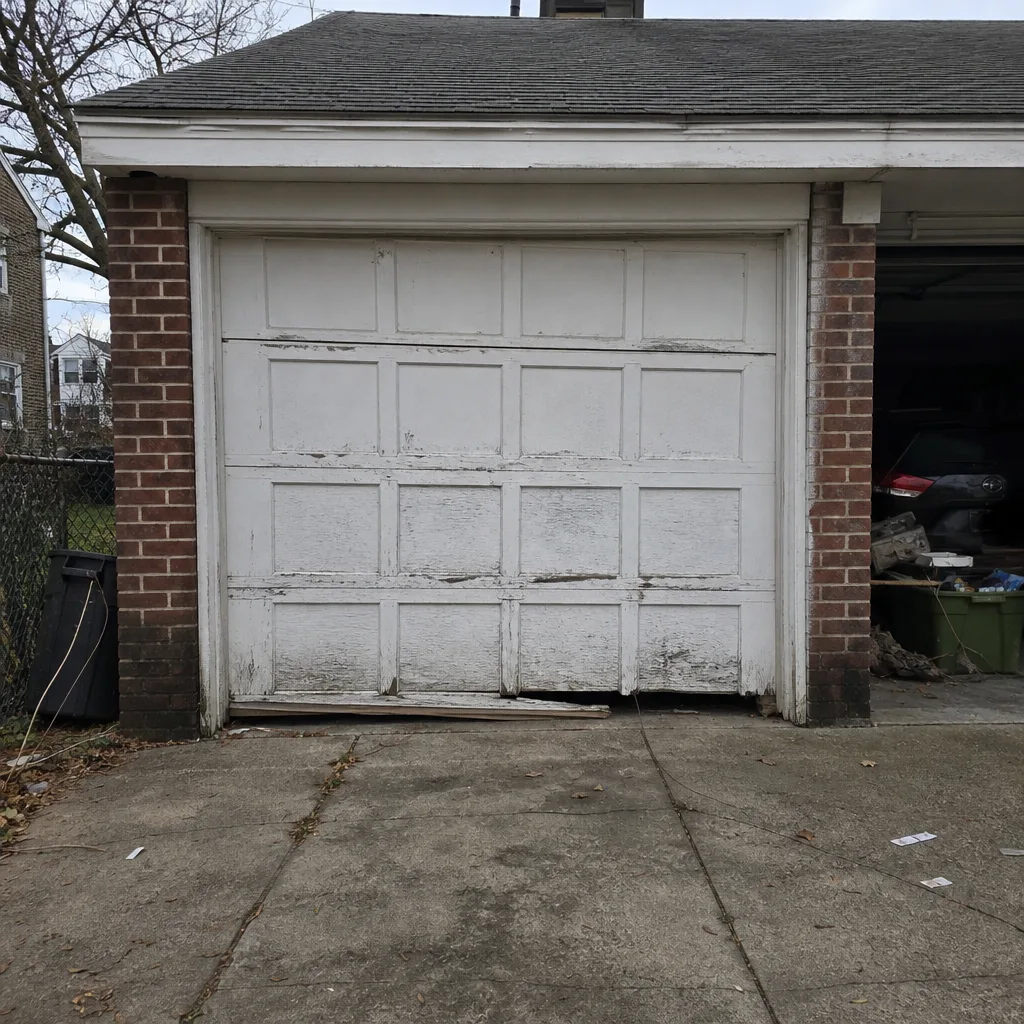
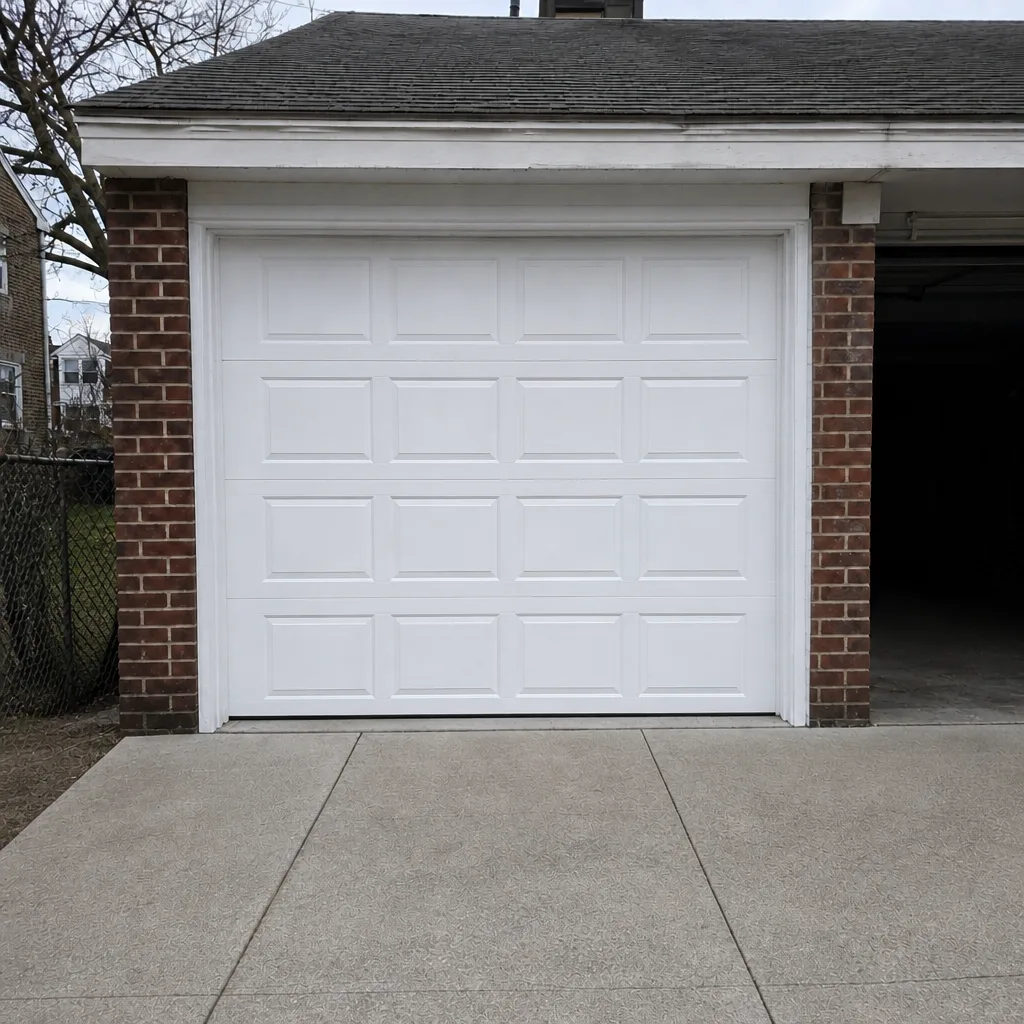
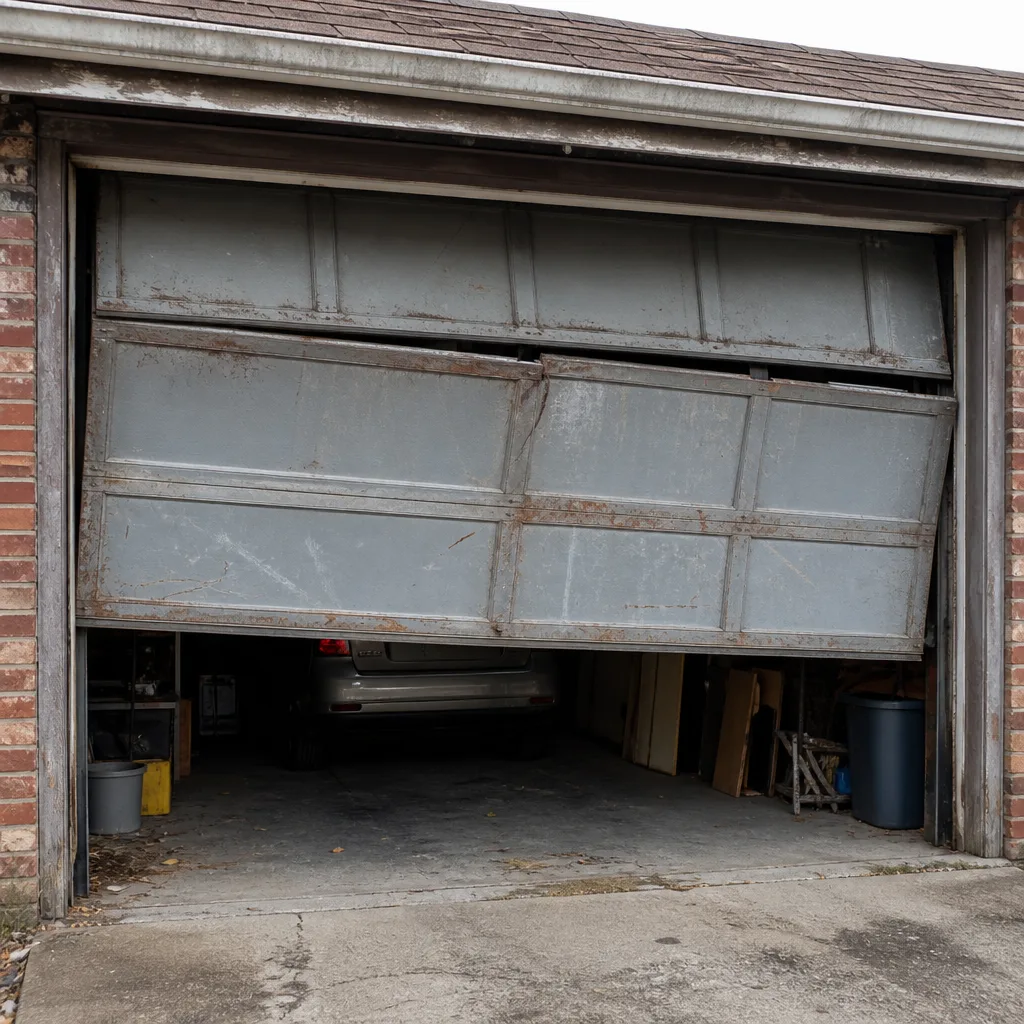
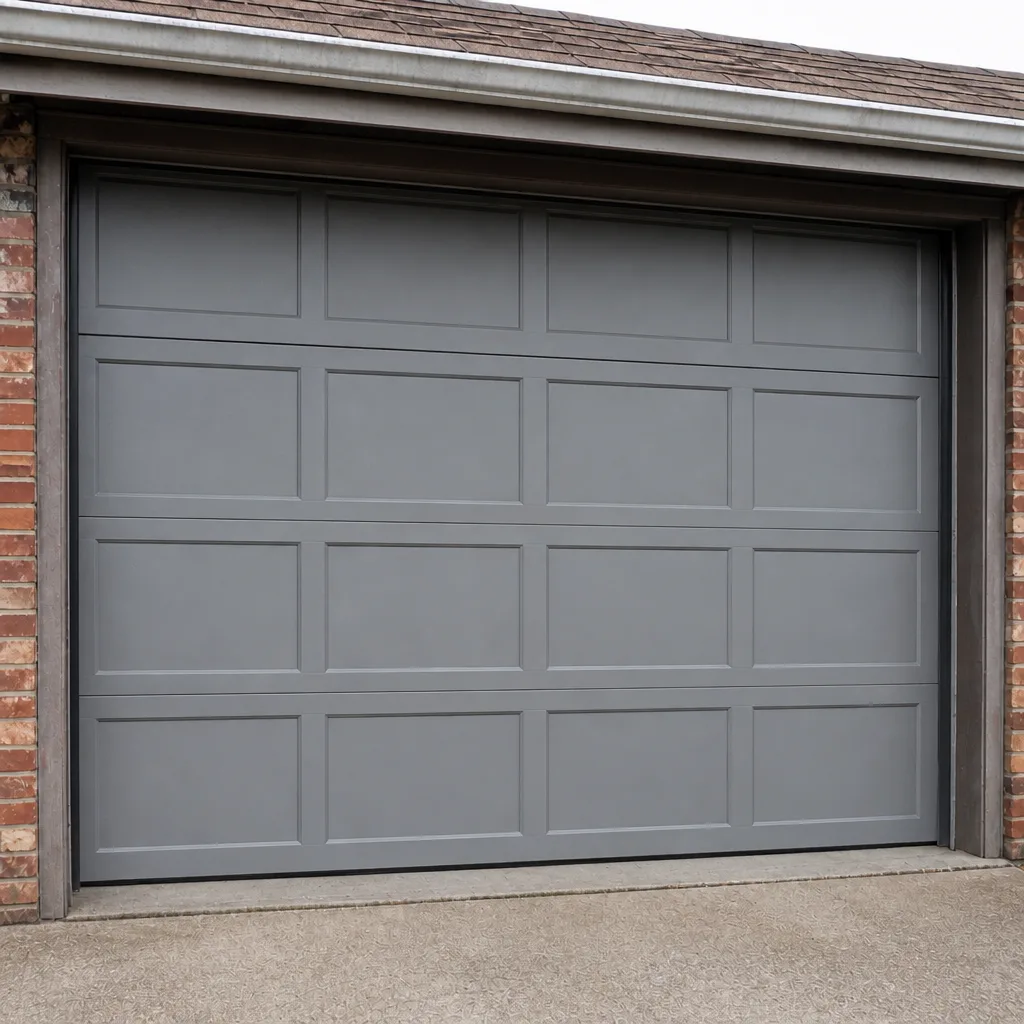
See the difference
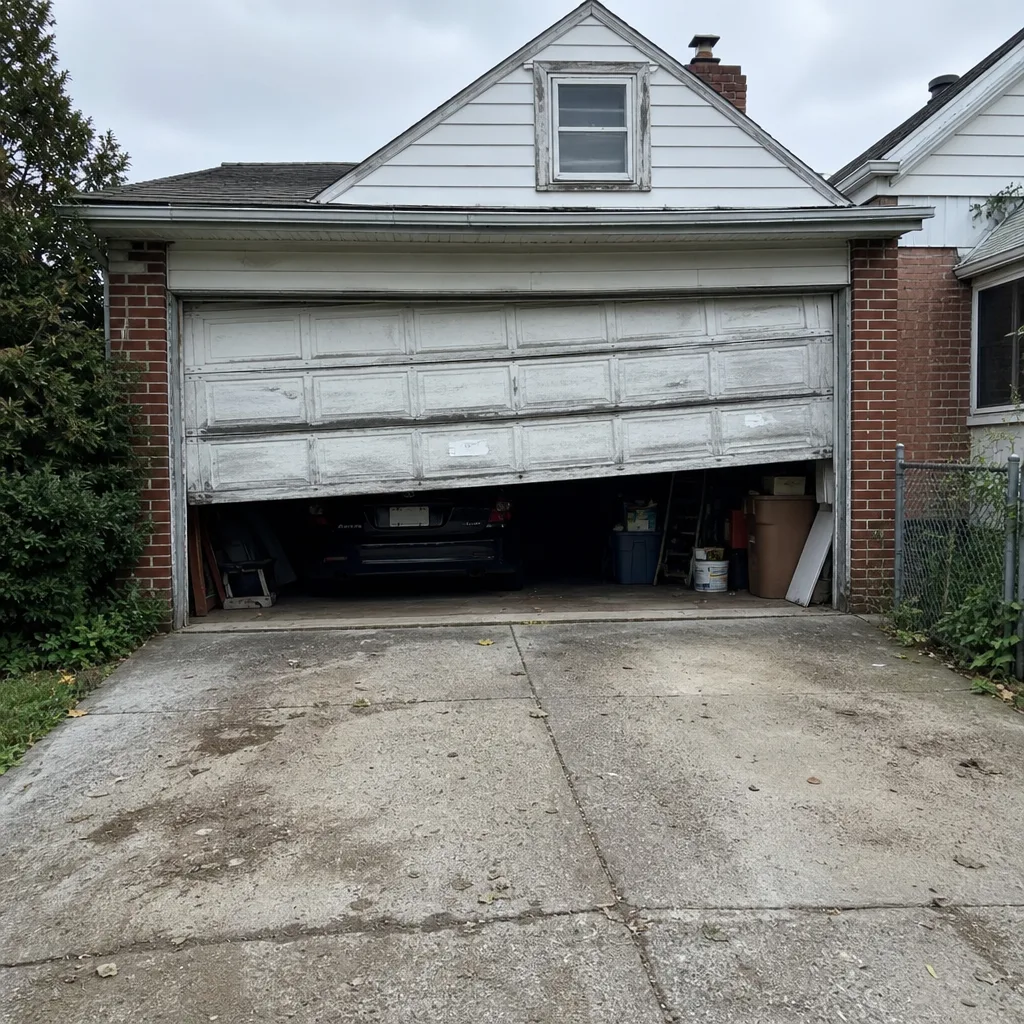 Before
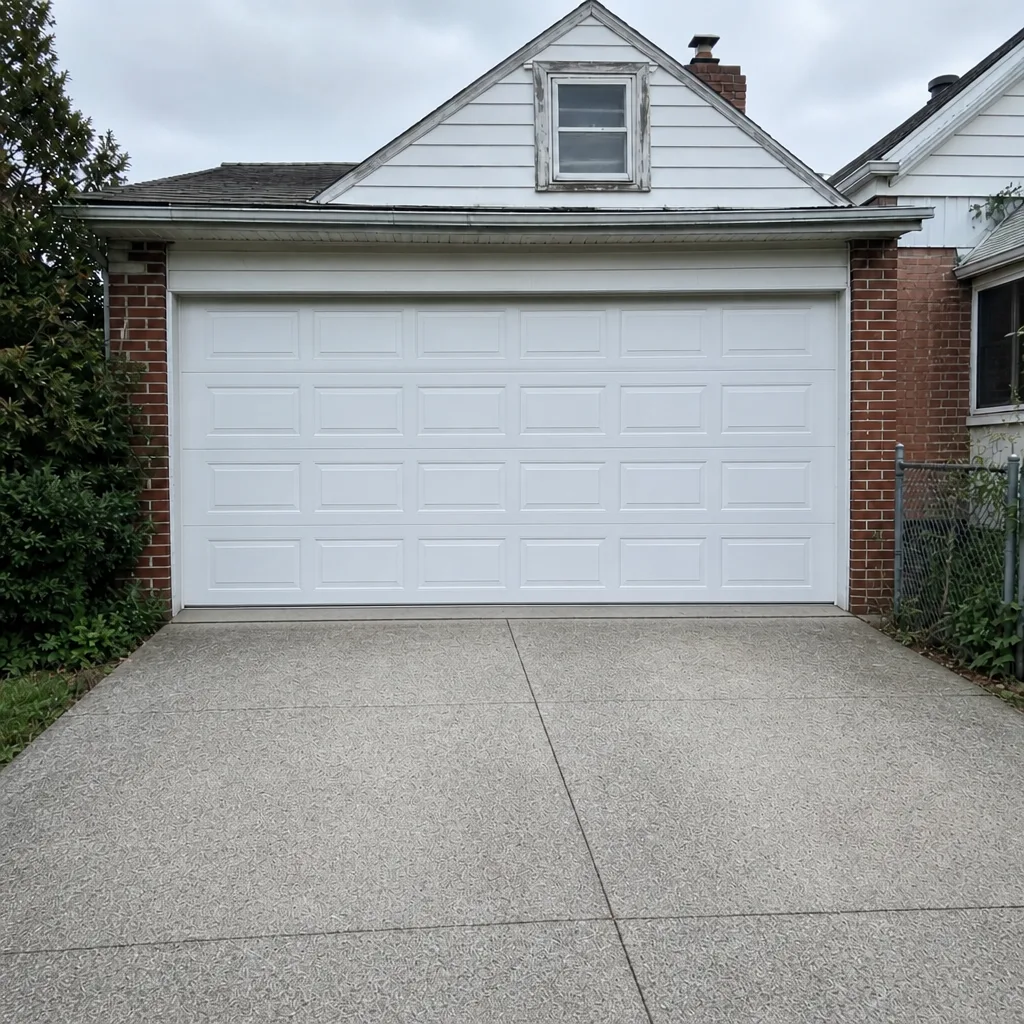 After
 Before
 After
 Before
 After
Frequently Asked Questions
Run the balance test once a month, and always after a season change. It takes ten seconds and it’s the fastest way to catch a spring that’s losing tension before it fails. If the door stays put at waist height, it’s balanced; if it drops or drifts, it needs a look.
Use a purpose-made garage door or spring lubricant, not WD-40. A light spray along the coils, run the door up and down twice to distribute, is plenty. WD-40 is a solvent and will dry out the metal.
Usually it’s the freeze-thaw cycle working on your bottom seal or track alignment. Cold stiffens the seal and shifts the ground slightly around the slab, which can bind a roller. If the grind only happens on cold mornings, have the track checked before you force the door.
No. Torsion springs store dangerous mechanical energy, and this is the one garage door repair that requires specialist training and tools. A DIY attempt can cause serious injury. Call a specialist – spring repair is exactly the kind of work our technicians do every day.
Yes. A door that still opens is the best time to do maintenance, because it’s the cheapest time. A door that stops opening is a repair call, and possibly an emergency. The monthly walkthrough and the balance test are what keep it in the first category.
When panels are cracked or sagging, the seal and springs are both shot, or you’ve had repeated spring failures in a short span, replacement usually makes more sense than another patch. A free estimate will tell you which side of that line your door is on.
Key Takeaways
- A checklist works when it tells you what to look for, not just what to do. Tests beat tasks.
- Use a dedicated garage door lubricant, never WD-40, on the springs. Leave the track dry.
- The 10-second balance test is the earliest warning you’ll get on a failing spring. Run it monthly.
- In Holmesburg, the freeze-thaw cycle is the seasonal issue that hits the bottom seal and track hardest. Check both before the cold.
- Keep a log. It’s the least glamorous page on this list and the most useful when you sell or claim a warranty.
- Springs, cables, and bent tracks are professional work. The rest of this guide is yours.
The Bottom Line
Maintenance on a garage door is less about the tasks and more about the tests. Anyone can spray lubricant on a hinge; the value is in knowing what a healthy spring feels like, what a failing one sounds like, and which warnings mean stop and call. Run the balance test monthly, keep the rollers and hinges lubricated with the right product, check the bottom seal before the freeze, and keep a simple log. That routine is what keeps a Holmesburg door out of the emergency column. When something doesn’t feel right on the balance test or you hear a snap, call a specialist. It’s the one part of this job worth handing over, and it’s the only kind of problem we solve.
If you’d like a second opinion on what your door is telling you, Garage Door Repair Holmesburg is here to help. We offer free estimates across Holmesburg and Northeast Philadelphia, we work on the major door and opener brands, and we handle emergency calls when a stuck door can’t wait. Call (833) 509-3024 for a free estimate and let’s get your door back to quiet and smooth.
Related Reading
- Garage Door Repair Holmesburg
- garage door repair
- garage door opener repair
- garage door installation
- garage door spring repair
Written by the team at Garage Door Repair Holmesburg.