Last updated November 21, 2026
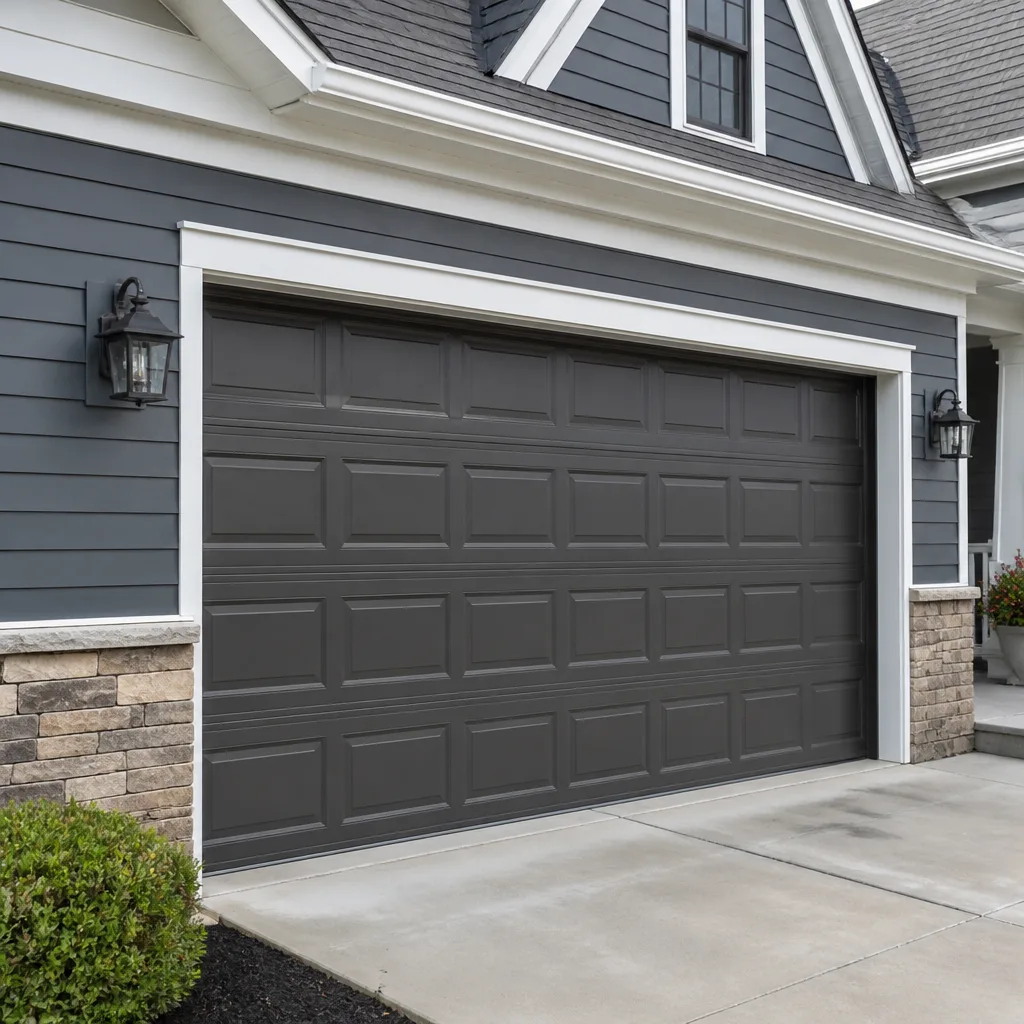 Raised-panel steel
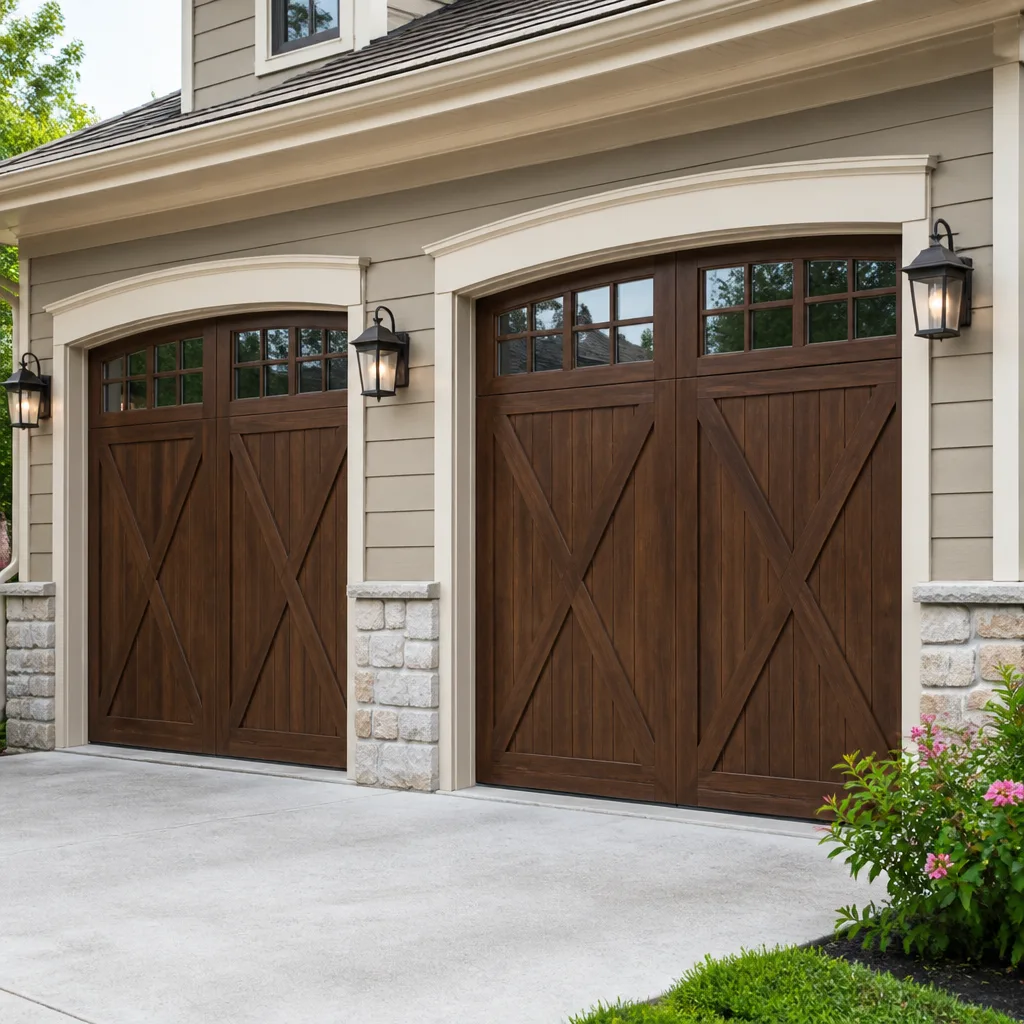 Carriage house
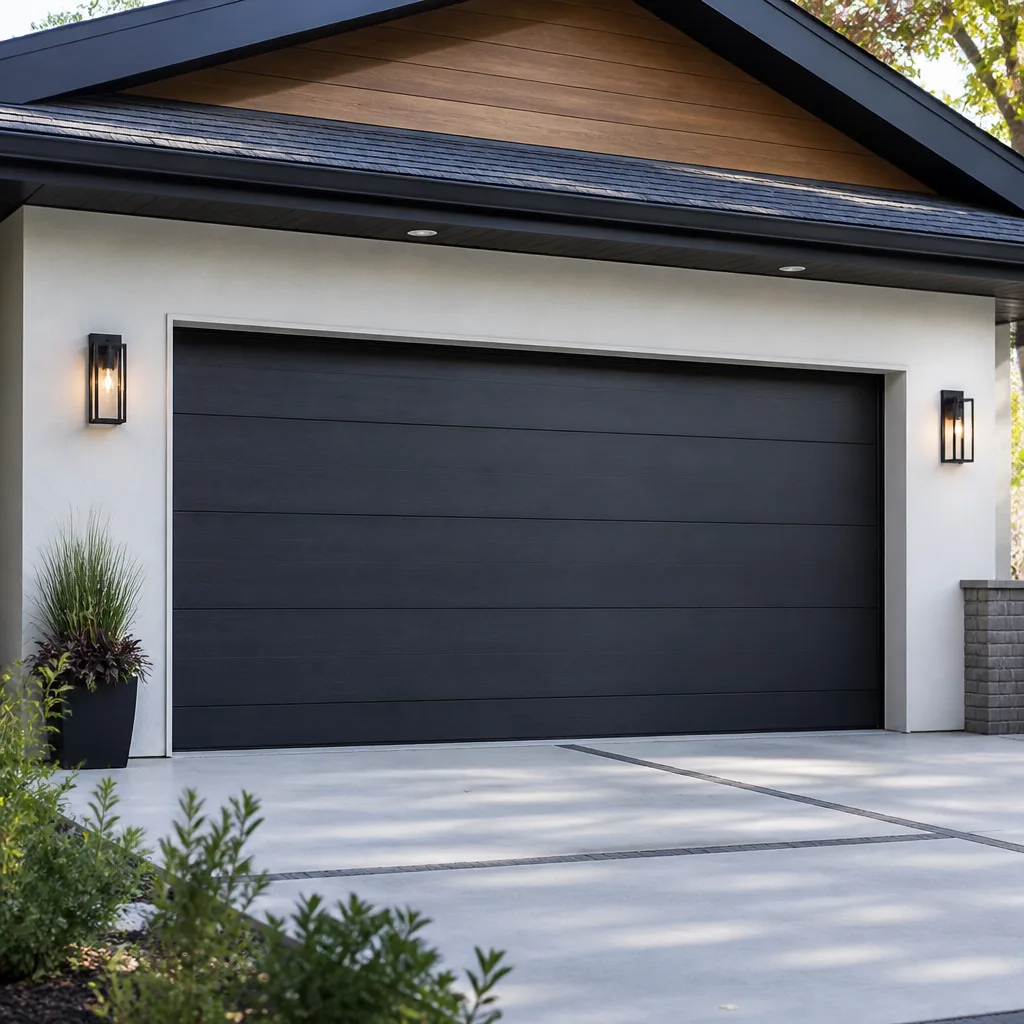 Modern flush
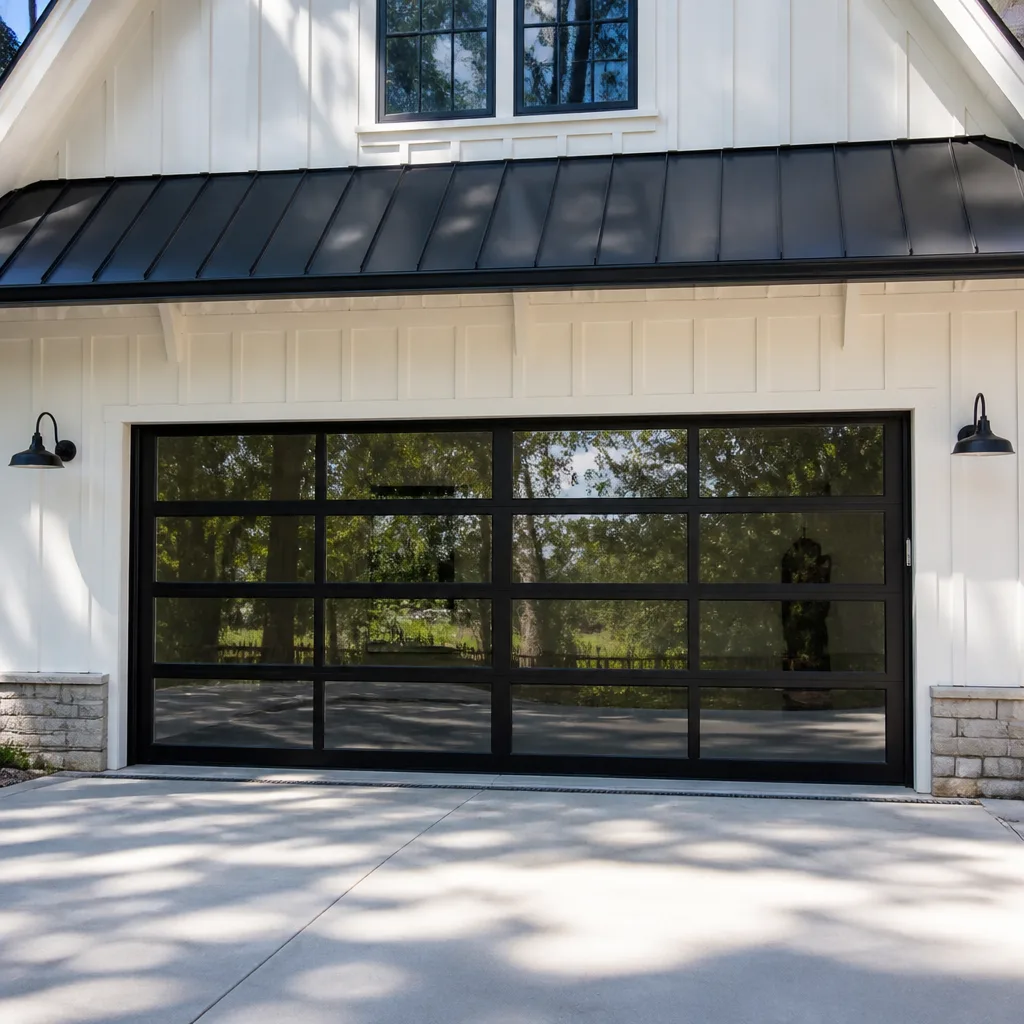 Full-view glass
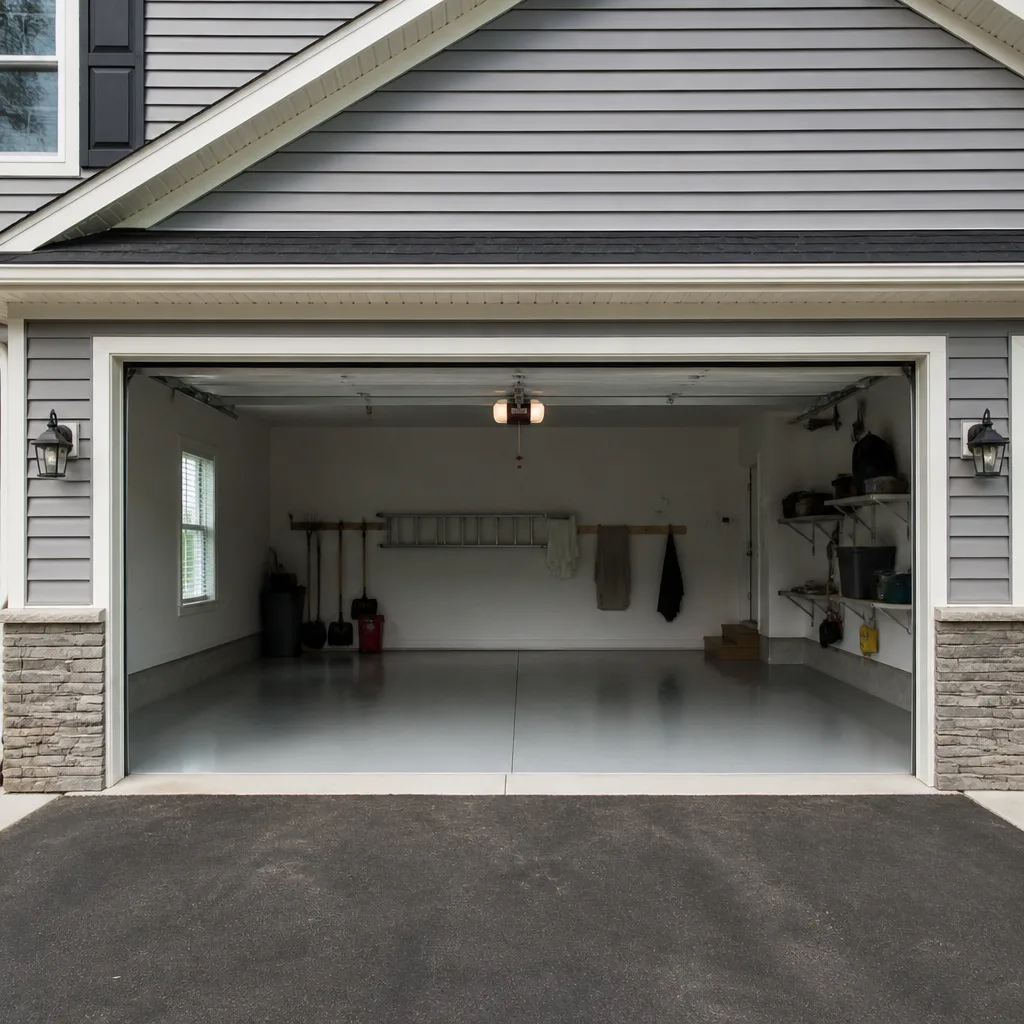 LiftMaster openers
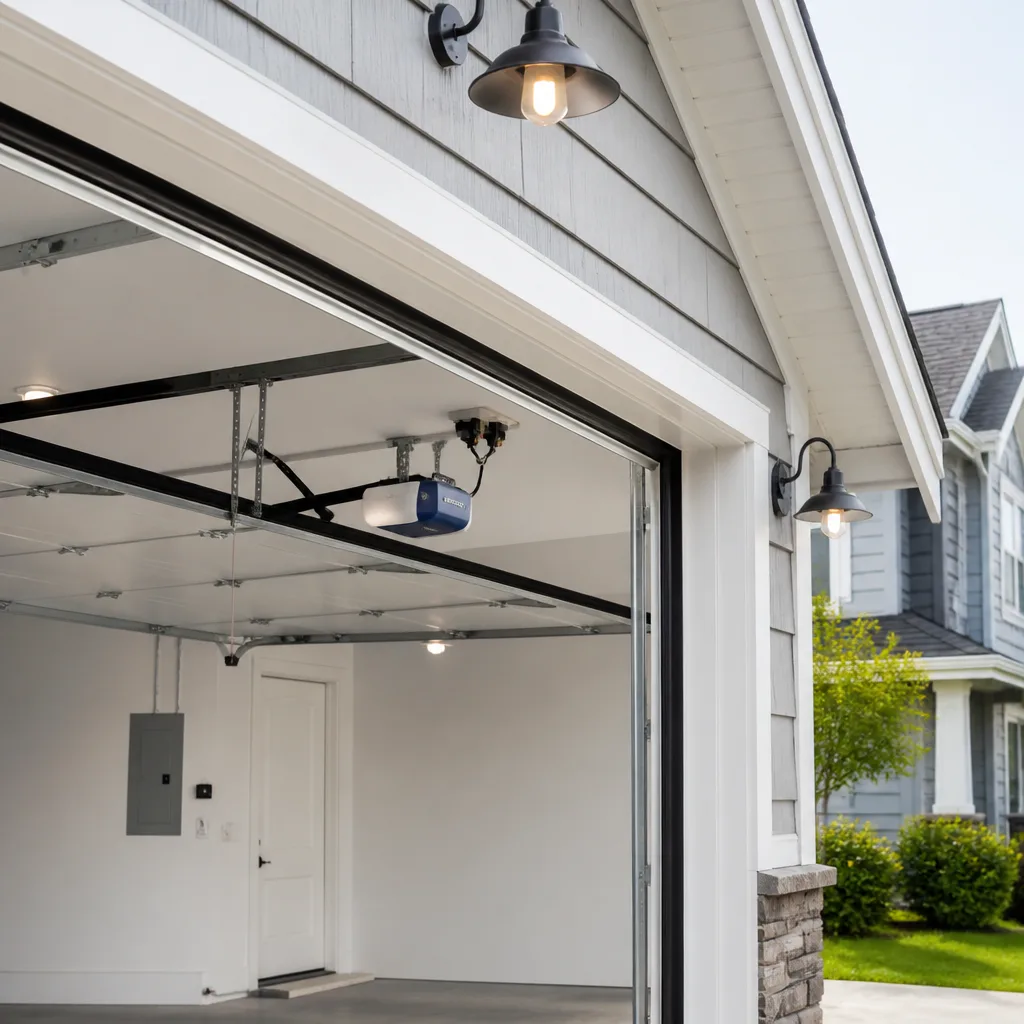 Chamberlain openers
Full 25-point door and opener safety check with every visit - springs, cables, rollers, tracks, and your LiftMaster or Chamberlain opener included
You get a price before we start. It does not change when the pro arrives.
Get your free estimateGarage Door Repair Maintenance Schedule: What to Do and When
The number-one cause of a snapped garage door spring isn’t age. It’s a single skipped lubrication that lets surface rust form over one Philadelphia winter. A torsion spring that sits dry through a cold, damp stretch in Holmesburg starts to pit. Those pits become stress risers. And stress risers are where springs break. Most homeowners assume a door fails because it got old, when the real story is usually a small maintenance gap that compounded quietly for a season or two. What follows is a maintenance schedule built around the actual stresses each season puts on each component, not a generic annual checklist you’ll forget by February.
Quick Answer
A garage door doesn’t need one annual checkup; it needs tasks timed to the seasons. Lubricate rollers, hinges and springs before winter, inspect cables and springs after the freeze-thaw cycles of late winter, check steel door panels and hardware for heat expansion in summer, and run a five-point balance test every month. Match that rhythm to how often your door actually cycles and you’ll catch most failures before they strand a car.
Styles & brands we work with
- Raised-panel steel
- Carriage house
- Modern flush
- Full-view glass
- LiftMaster openers
- Chamberlain openers
Table of Contents
- Why a Calendar-Based Schedule Fails Your Door
- Cycle Count Thinking: Estimating Spring Life From Daily Use
- The Five-Point Monthly Balance Test
- Pre-Winter Maintenance: Weatherstripping and Lubrication
- After Freeze-Thaw: Spring and Cable Inspection
- Summer Heat Checks on Steel Doors and Hardware
- Keeping a Maintenance Log That Earns Its Keep
- Tasks That Extend Hardware Life vs. Marketed Busywork
Why a Calendar-Based Schedule Fails Your Door
Ask five homeowners how often they service their garage door and four will say “once a year, I think.” That answer hides the actual variable. A door doesn’t wear out on the calendar; it wears out on cycles. One Holmesburg household opens and closes the door twice a day. A neighbor with two working drivers, a hobby car and a dog that lives for car rides might cycle the same door ten times. Same street, same winter weather, five times the mechanical wear. A maintenance plan that ignores that gap is guessing.
The other flaw with a fixed annual checkup is that it treats every month like every other month. It doesn’t. Holmesburg’s climate puts specific demands on a door at specific times, and those demands don’t space themselves evenly across the year. Cold, wet stretches are brutal on springs and cables. Freeze-thaw cycles work hardware loose in a way summer never does. Heat expands steel panels and can throw a door out of alignment. Timing tasks to the season that stresses a component is the whole game.
This guide does two things at once. It builds a seasonal schedule for the Holmesburg climate, and it gives you a way to adjust that schedule by cycle count so the timeline fits your actual door. Use both and you’ll replace fewer parts, catch problems earlier, and know when a call to a specialist beats another round of tightening bolts in the driveway.
Cycle Count Thinking: Estimating Spring Life From Daily Use
Every spring has a rated cycle life, and once you know your daily cycle count you can estimate roughly how much of that life you’ve used. A cycle is one open plus one close. Count how many times your door moves on a typical weekday. Most people guess high, so count it for three days and take the average.
Here’s how the math works in practice. Spring manufacturers rate springs by cycles, not years, and a standard residential spring falls somewhere in a range that most doors will reach well within a decade of normal use. We work with the actual components on the major brands, including Clopay and Amarr doors and the springs specified for them, so we can tell you what your door is likely to be running and when it’s approaching the end of its rated life.
To turn cycles into a calendar estimate:
- Count door cycles (open + close) on an average weekday from memory or a note on the fridge.
- Multiply by how many days a week you actually drive, then multiply by 52 for a yearly figure.
- Divide your spring’s rated cycle life number by that yearly total to get a rough service window in years.
- Cut that window by a year or two if the door lives on a humid wall, faces weather, or has a history of skipped lubrication.
A door cycling twice a day and a door cycling ten times a day can have wildly different spring lives with identical calendars. That’s why cycle count beats “every five years” as a planning tool. When your estimate points to the final stretch, a paid inspection is far cheaper than a snapped spring that bends a panel or drops a door. If you’re already past that point, that’s a garage door repair issue and worth having someone look at it before it gets worse.
The Five-Point Monthly Balance Test
This is the highest-value three minutes you’ll spend on your door. Run it once a month and you’ll catch balance drift, loose hardware and roller problems while they’re still cheap to fix. Do it by hand only. Never test a door’s movement with the opener still engaged.
- Disconnect the opener. Pull the emergency release handle so the door moves on its own.
- Lift to the halfway point and let go. A balanced door stays put or drifts only slightly. A door that slams down or flies up is out of balance.
- Check the spring visually. Look for gaps, rust, or a spring that isn’t holding tension. Do not touch or adjust the spring.
- Wiggle the hinges and brackets by hand. Anything that moves should be snugged firm, not torqued to stripping.
- Roll the door partway by hand and listen for grinding or squealing. Noisy rollers need attention or replacement.
A door that fails the balance test on multiple months in a row is telling you something. Springs lose tension as they wear, and a door that used to stay put and now drops is signaling a spring near the end of its life. That’s not a “tighten it later” situation. It’s a call-someone situation. The balance test also catches loose hinges and worn rollers early, before they start chewing up the track or throwing the door’s alignment off. If the opener is struggling to lift a door that used to move easily, the balance test will usually tell you whether the problem is mechanical or whether it’s time to look at garage door opener repair.
Keep a pen near the door and jot the result of each month’s test in your log. A running record of “balanced, balanced, slightly heavy, drifts down” is more diagnostic than any invoice you’ll find later.
Pre-Winter Maintenance: Weatherstripping and Lubrication
The single most important maintenance window for a Holmesburg door is the one right before the cold, wet months settle in. Winter is the season that breaks doors, and almost all of that breakage traces back to two things: a dry spring that rusts under repeated damp and a dry seal that lets cold air and moisture in around the door.
Run these tasks in the fall, before the first sustained cold:
- Lubricate the springs. Run a garage door lubricant along the full length of each torsion or extension spring. A light coat is enough. Surface rust is what kills springs, and rust starts where the steel sits dry and exposed to moisture.
- Lubricate hinges, rollers and the track. Apply lubricant to hinge pivots and roller bearings. Don’t grease the track itself with heavy grease; a light film on the steel rollers or a dry spray on nylon rollers is enough.
- Inspect the bottom seal and weatherstripping. A cracked bottom seal lets water and cold air in, and it also lets the door frame take moisture where wood can rot. Replace a hardened or torn seal before winter.
- Check the sides and top for dried weatherstripping and gaps. A door that drafts all winter is costing you on heating as well.
- Test the auto-reverse and photo-eye safety features. Cold weather stiffens door travel and can trip the opener’s safety protection. Make sure the door reverses on contact and that the photo-eye beam is unobstructed.
The piece most homeowners skip is the spring lubrication, and it’s the one that matters most. A spring that sits dry through a winter of freeze-thaw and humidity starts to corrode along the wire. Every corrosion pit is a weak point. When the spring finally gives out it doesn’t give out anywhere; it breaks at the weakest point, and the weakest point is almost always rust-related. Two minutes of lubricant per spring in the fall is the cheapest insurance there is.
One more pre-winter task: look at the hardware and see if any bolts have worked loose. Cold air and wet weather cause metal to contract and expand across the season, and a door that’s been through a few winters usually has visible loose hardware. If the door has a wooden frame, check it for soft spots too.
After Freeze-Thaw: Spring and Cable Inspection
Late winter is when the ground thaws and everything on your door that’s been compressed by cold starts to move. That freeze-thaw cycle is when cables loosen, spring tension shifts and hardware that was snug in January starts to show gaps in March. This is the inspection window most people skip because the door “still works.”
After the last stretch of hard freeze, do a walk-around:
- Inspect the cables on both sides. Look for frays, kinks or slack. A cable that’s suddenly loose or visibly frayed is a safety issue, not a tune-up. Cables carry the tension that holds the door up, and a failed cable can drop a door without warning.
- Look at the springs again. A garage door spring that survived the winter can still snap in spring, and a spring break in March isn’t unusual because the freeze-thaw rhythm adds to the stress.
- Test the door’s balance using the five-point test. If it’s noticeably out of balance after winter, the springs or cables have shifted and a specialist should look at it.
- Check the track for gaps or misalignment caused by settling over the freeze-thaw cycle. A track that bowed over the winter will bind the door travel.
Cables and springs are the two components we do not recommend homeowners adjust themselves. Both store mechanical energy, and a loaded spring or tensioned cable can cause a serious injury in a fraction of a second. A real garage door specialist uses proper winding bars and has experience reading tension by feel; a generalist handyman trying to work a spring is a hazard to everyone nearby. This is the highest-risk repair on a garage door, and it’s why spring work should be left to a trained technician. If a cable or spring looks off after the thaw, stop using the door and get it looked at.
Summer Heat Checks on Steel Doors and Hardware
Heat does things to a garage door that cold doesn’t. Steel panels expand in summer heat, and a door that’s snug in a cool garage can bind against the track on a hot afternoon. Wood components dry out and crack. The garage itself, often uninsulated, holds heat like an oven and keeps expanding and contracting all of its hardware throughout the day.
During the hottest stretch:
- Watch for a door that binds in the afternoon but moves freely in the morning. That’s heat expansion pushing panels against the track, and it can wear the rollers and stress the opener over time.
- Check steel panel edges for deformation or pitting. A steel door on a humid-wall garage can develop rust at the bottom edge and along the seams. A Clopay or Amarr steel panel with visible corrosion needs attention before it spreads.
- Recheck the balance and the rollers. Heat softens rubber and nylon and can cause rollers to bind. A roller that squeals in summer is a warning sign.
- Check wooden frames and trim for dried-out cracking. A summer of heat followed by fall moisture is a recipe for rot on untreated wood.
Summer is also a good time to take a hard look at whether the opener is keeping up. A Genie or Chamberlain opener that runs hotter and harder in summer heat may be straining against a binding door rather than failing on its own. Getting a professional diagnosis on the whole door and opener saves you from replacing a component that wasn’t the real problem. When a repair reveals a door that’s beyond saving, we can talk through whether a garage door installation might be the better call than another round of repairs, and we’ll be straight with you about which one actually makes sense.
Keeping a Maintenance Log That Earns Its Keep
A garage door log is worth keeping for one reason: it makes every future conversation faster and every warranty claim cleaner. You don’t need a fancy app. A notebook taped to the inside of the garage near the door will do, and it will outlast anything digital you forget the login for.
What to write down:
- Date and cycle-count estimate each time you do a balance test.
- What you did – lubricated springs, replaced bottom seal, snugged hinges.
- What you noticed – any noise, binding, misalignment or balance change.
- Any service calls – what was repaired and by whom, plus the written estimate the pro left you.
- Any parts replaced – brand and part name when you can read it, because a future diagnosis is easier when the next technician knows what’s already been changed.
This log pays off twice. First, when something finally goes wrong, you can tell a specialist exactly what changed and when, and that shortens the diagnosis. Second, if a part fails early, a log showing the install date and the maintenance history is exactly what a warranty claim needs. A door with a solid, dated maintenance record is a door whose problems are documented. That makes any claim airtight and any repair faster.
Tasks That Extend Hardware Life vs. Marketed Busywork
Not every task on a maintenance list carries its weight. Some of what gets promoted as “garage door maintenance” is busywork that adds time without adding life. Knowing the difference keeps you from wasting hours on things that don’t move the needle and from skipping the tasks that actually do.
Tasks that genuinely extend life:
- Lubricating springs, rollers and hinges, especially before winter. Rust prevention on springs is real life extension, because corrosion is what breaks the wire.
- Replacing a worn bottom seal and dried weatherstripping, because sealing out moisture protects the door frame and reduces strain on the door.
- Keeping the track clean and free of debris, since binding causes roller and opener wear.
- Snugging loose hinges and brackets, which keeps the door stable and prevents alignment drift.
- Testing balance monthly and the safety reverse, since both are your early warning system.
Tasks that are mostly noise:
- Greasing the entire track. A film of lubricant is fine; loading it with grease attracts dirt that clogs rollers.
- Replacing rollers on a fixed schedule regardless of wear. Replace them when they’re worn, not because a calendar said so.
- Adjusting the opener’s force limits by feel. This is a diagnostic tool, not a maintenance task, and turning it up to overdrive a binding door masks the problem.
- Wiping down an entire door to “keep it clean.” Cosmetic, but not functional.
If you only do three things on the whole list, do these: lubricate the springs before winter, run the monthly balance test, and keep the log. Those three carry most of the value. Everything else is useful but secondary. We work on Wayne Dalton doors and openers specifically, and we’ve seen what a winter of neglect does versus a winter of two-minute lubrication – the difference in spring life is real.
Common Mistakes to Avoid
- Treating the door as maintenance-free. A garage door is a heavy machine with a spring under hundreds of pounds of tension. It needs care the same way a car does, and a door in Holmesburg that’s never been serviced is well on its way to a surprise repair.
- DIY spring work. Torsion and extension springs are loaded with stored energy. Adjusting, winding or cutting a spring without proper tools and training can cause serious injury. Call a trained technician for anything involving spring work.
- Using the wrong lubricant. WD-40-style spray or heavy grease on springs and rollers can attract dirt and gum things up. Use a garage-door-rated lubricant, and skip the heavy greases in the track.
- Ignoring the balance test. A door that fails balance and still gets used will wear out the opener and the hardware faster. It’s also the earliest sign that a spring is letting go.
- Turning up the opener force to hide a binding door. This gets the door moving but stresses the door, the opener and the track. Fix the cause, don’t override it.
- Skipping the pre-winter lubrication. In a wet Philadelphia winter, a dry spring rusts fast. A single skipped season can meaningfully shorten a spring’s life.
- Letting a minor track gap become a bent door. Small misalignments in the spring and fall are easy to fix and expensive to fix once the door has begun to bend on them.
See the difference
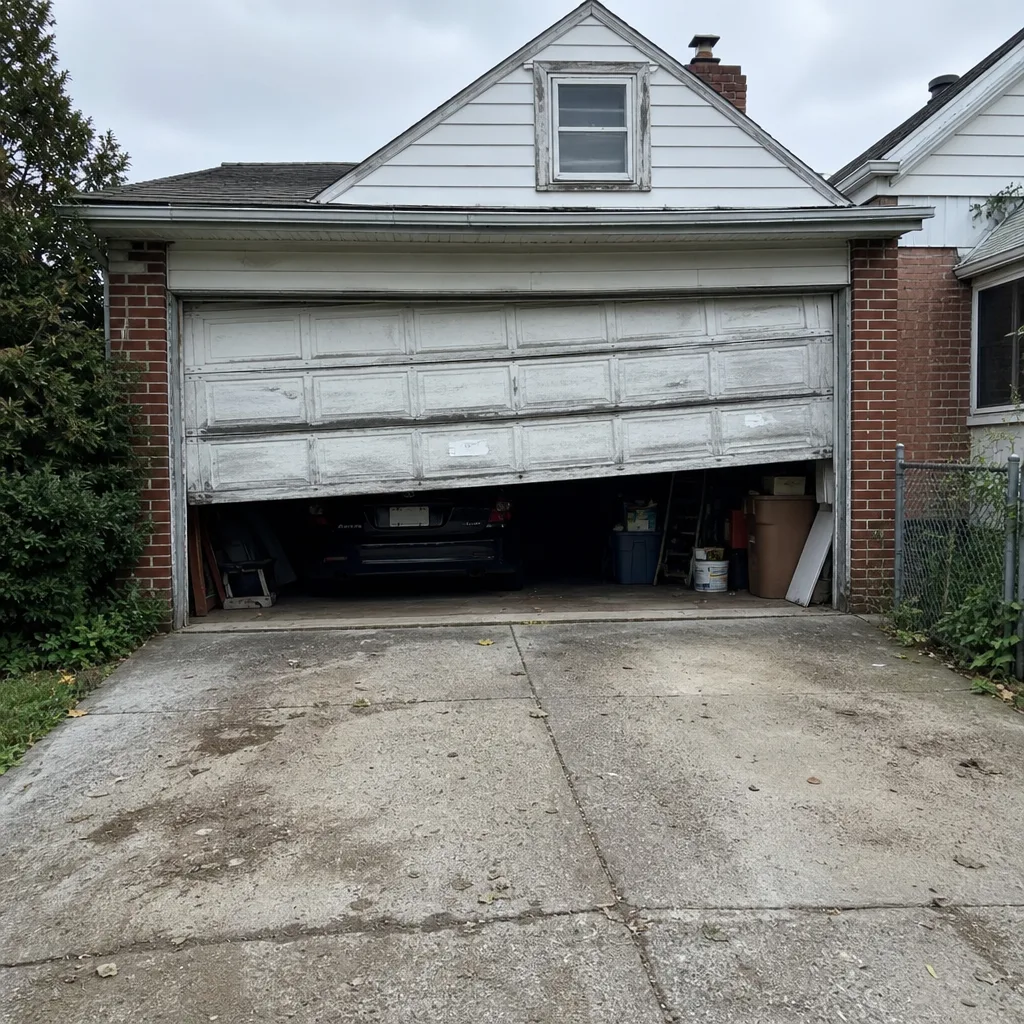 Before
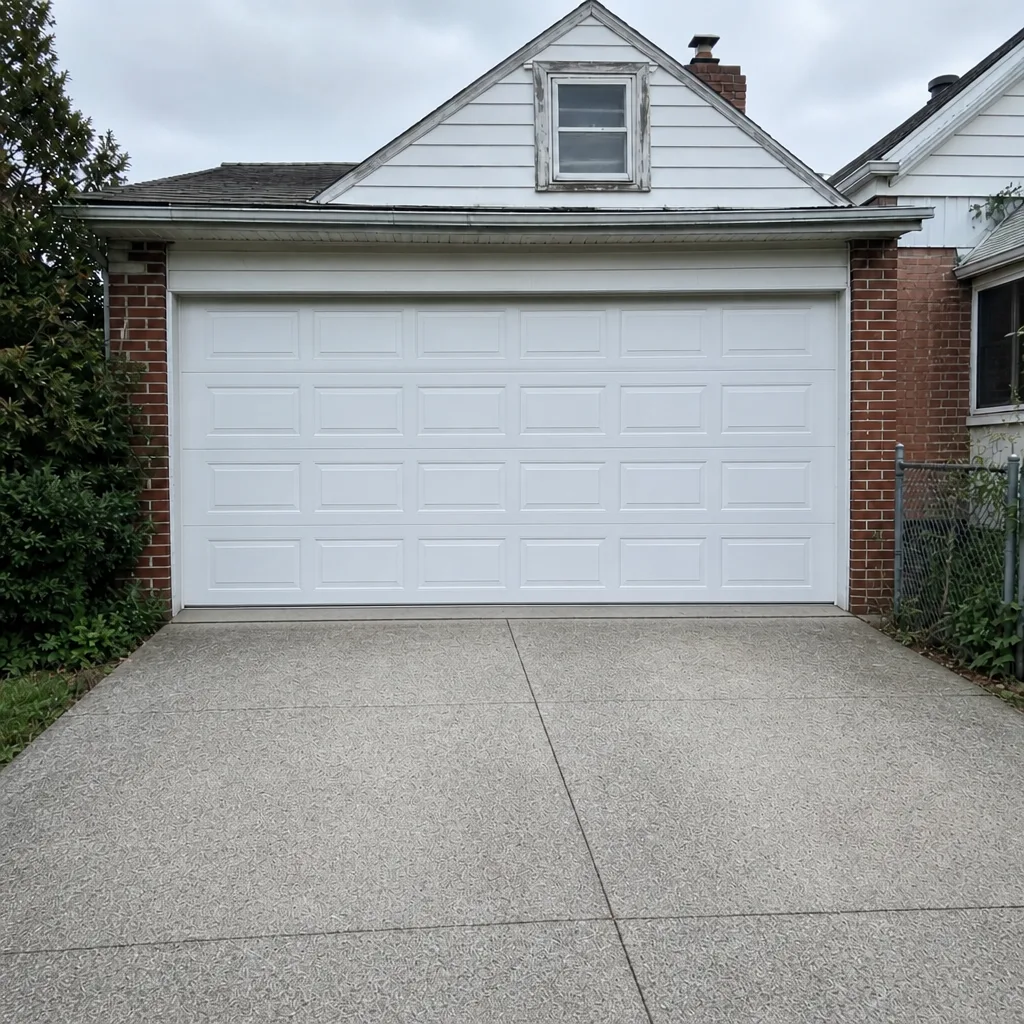 After
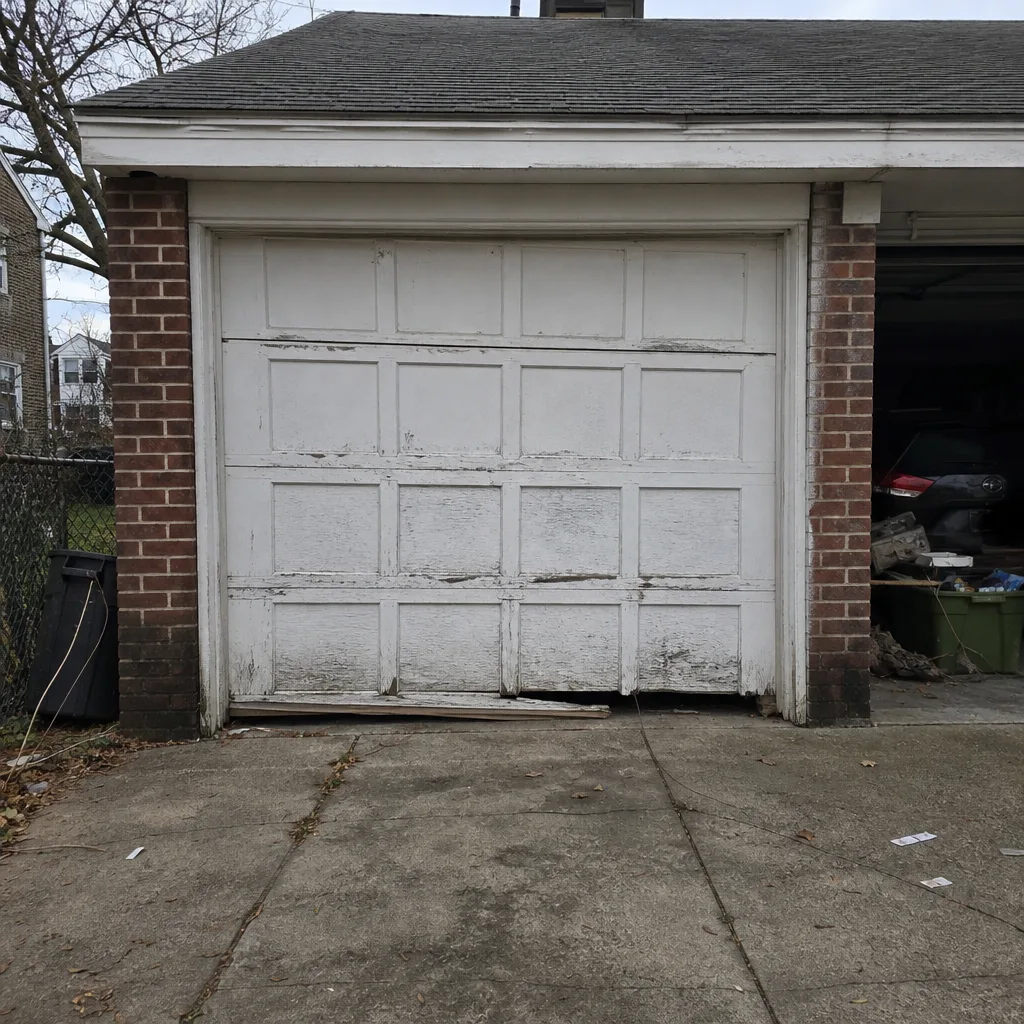 Before
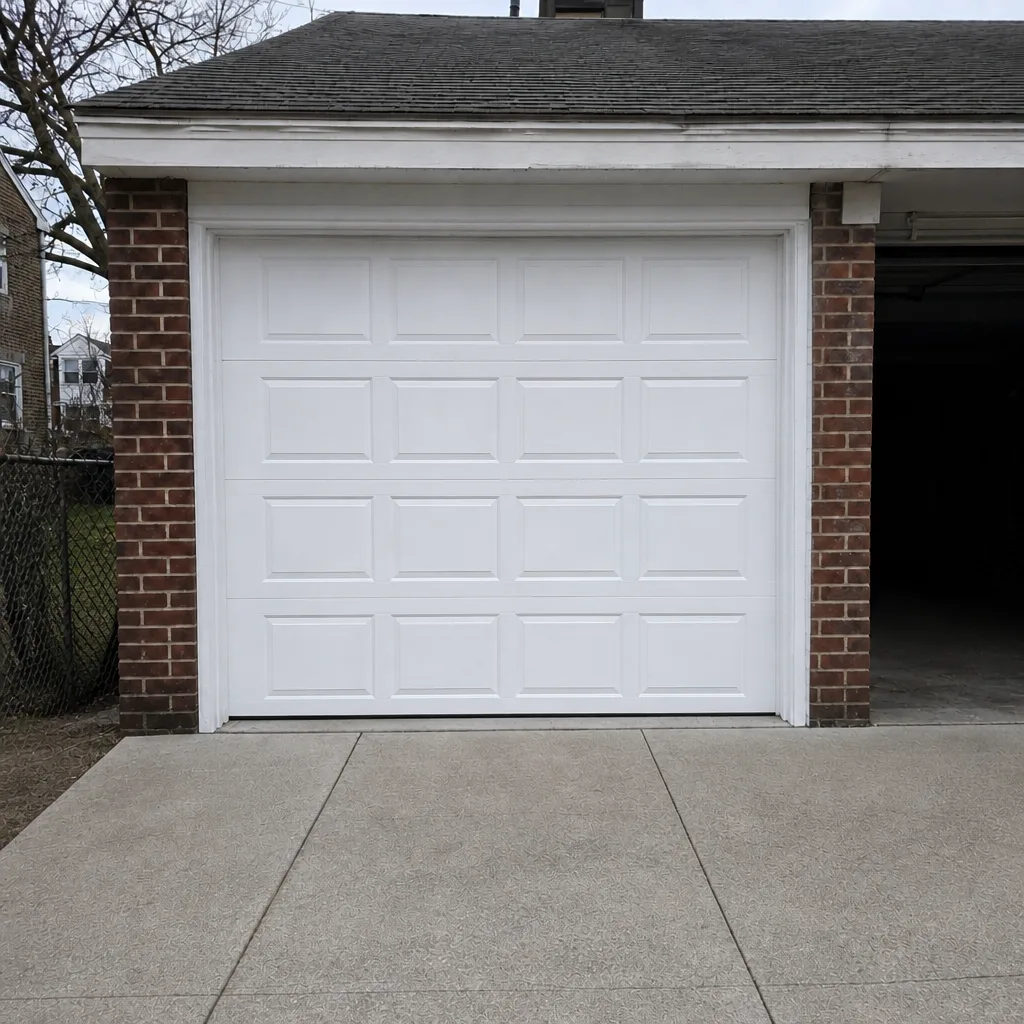 After
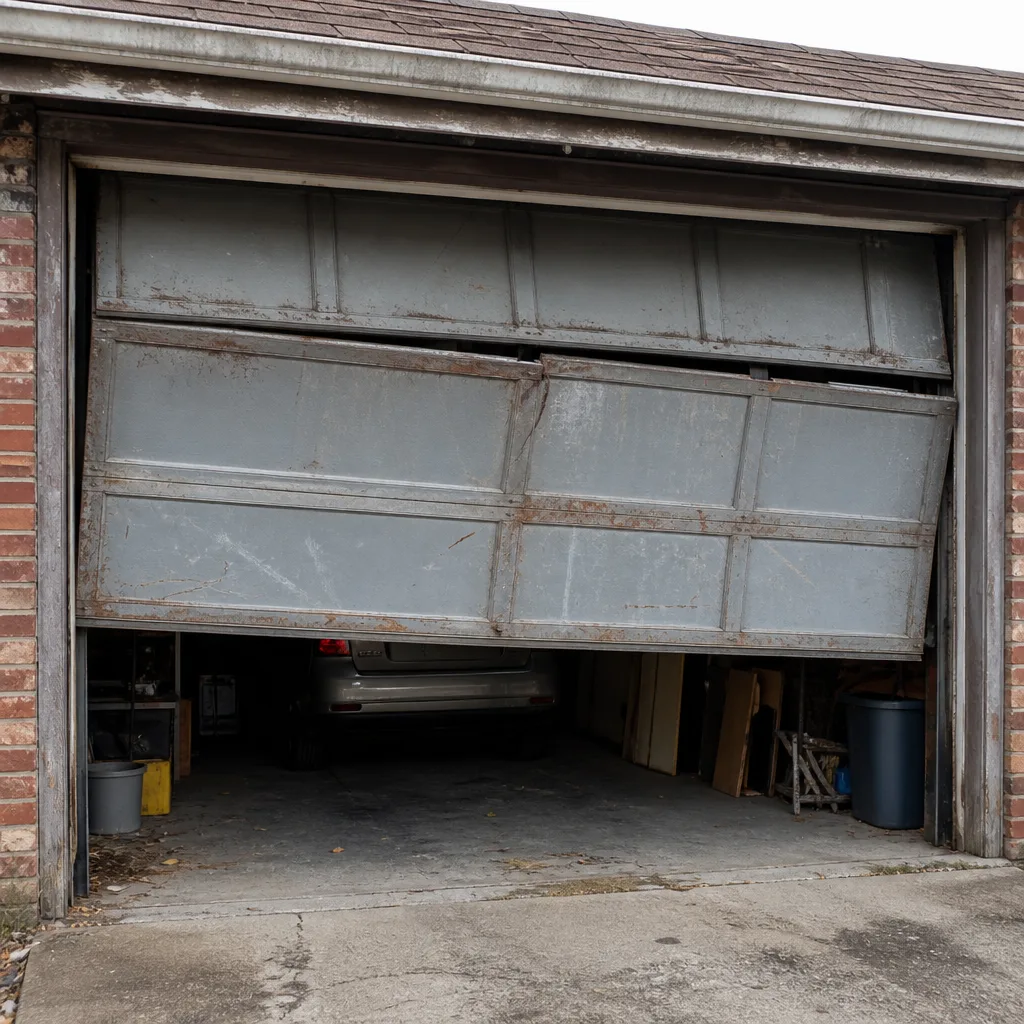 Before
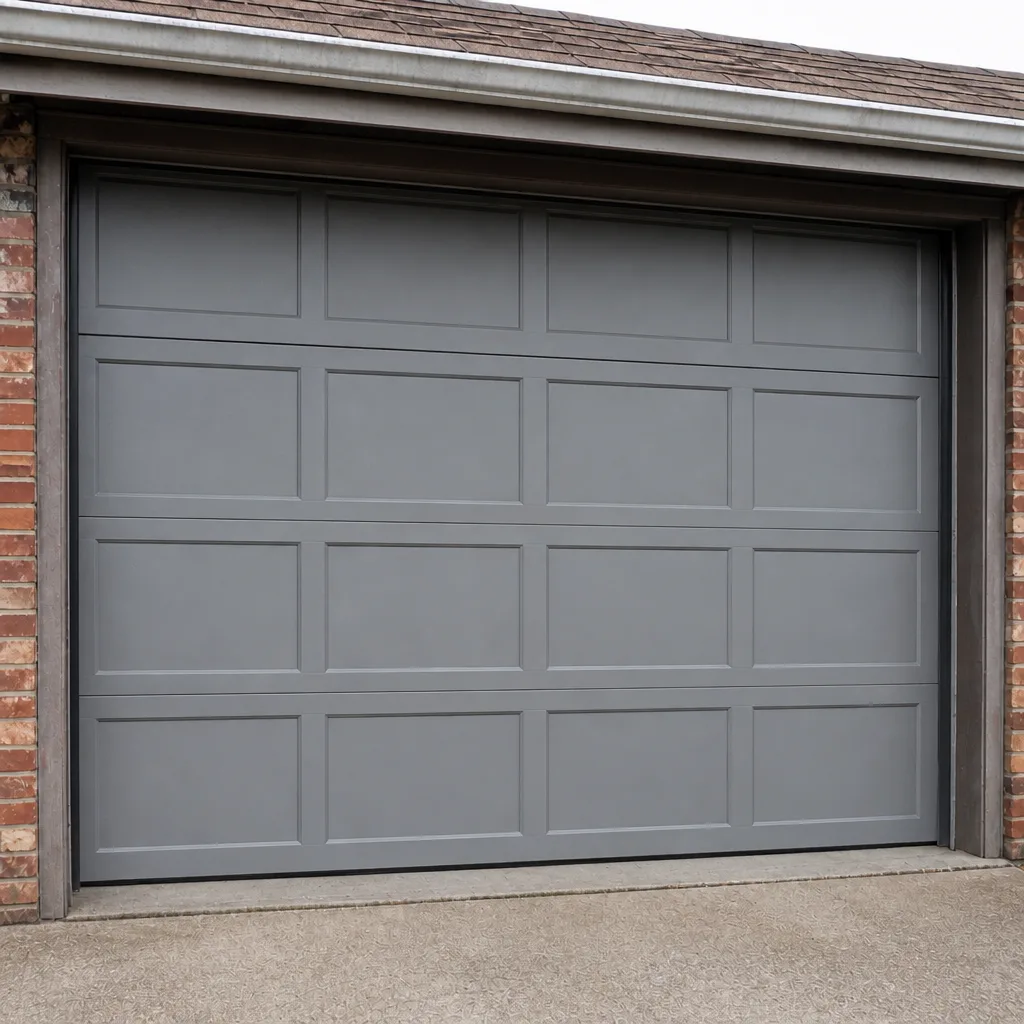 After
When to Call a Professional
Some maintenance you can do in a driveway. Some jobs should never be a driveway project. Call a professional if you see a spring with visible gaps, a cable with fraying or slack, a door that drops or flies open on the balance test, a door that won’t close all the way, or an opener that strains and reverses on its own. Those signals mean the door is carrying more risk than you should take on, and the fix needs the right tools and the right training. Our technicians have up to 9 years of experience in Holmesburg. If you’re not sure whether it’s a spring, a cable or the opener, we’ll tell you over the phone before you schedule anything, and we’ll give you a straight answer on repair versus replacement. Garage Door Repair Holmesburg offers free estimates in Holmesburg – call (833) 509-3024.
Frequently Asked Questions
Run the monthly balance test yourself, then lubricate springs, rollers and hinges before winter. Between those two tasks, most homes should have a professional inspection about once a year, ideally in fall before the cold sets in. A door that cycles a lot should be inspected more often, and a door that fails the balance test twice in a row should be looked at right away.
Pre-winter lubrication of the springs. The wet, cold stretch that Holmesburg weather brings is exactly the condition that rusts a dry spring, and surface rust is where most spring breaks begin. It takes a couple of minutes per spring and is the highest-value thing you can do for door life.
Yes, and it’s one of the few spring tasks homeowners can safely do themselves. Run a garage-door-rated lubricant along the length of each spring before winter. Don’t adjust, wind or replace springs yourself – that’s a high-risk job for a trained technician with the right tools.
It can. A spring that sits dry through one wet winter can develop enough corrosion to become a failure point. Skipping a single season doesn’t guarantee a break, but it does shorten the spring’s life and raises your risk over the next few months.
Watch for a door that’s drifting out of balance, gaps or rust on the spring, and a door that struggles to lift or feels heavy. Those are early warnings. A door that passes the balance test and lifts easily is probably fine, but if two or three of the signs show up together, get a specialist to look before the spring gives.
A simple dated log makes future diagnostics faster and repairs cheaper because a technician knows exactly what’s been done and when. It also keeps warranty claims airtight if a part fails early. A notebook near the door works fine.
If a spring snaps or a cable lets go, stop using the door and call for service. We handle emergency garage door calls because a stuck door blocks a car in or out and doesn’t fit a schedule. A quick call gives you the fastest path to getting it moving again. Reach the team through our main Garage Door Repair Holmesburg page.
The Bottom Line
Garage door maintenance works best when it’s timed to the season that stresses each component, not when it’s forced into one annual checkup. Lubricate springs and weatherstripping before winter, inspect cables and springs after the freeze-thaw stretch, check steel panels and hardware in summer heat, and run the five-point balance test every month. Match that schedule to how often your door actually cycles and you’ll catch most failures early. Pair it with a simple log, and you’ll have a door that lasts longer, fails less often, and gives any future technician the facts they need to fix it fast.
Not sure where your door stands right now? Call Garage Door Repair Holmesburg at (833) 509-3024 for a free estimate – we’ll tell you what needs work and what can wait.
Written by the team at Garage Door Repair Holmesburg.