Last updated November 21, 2026
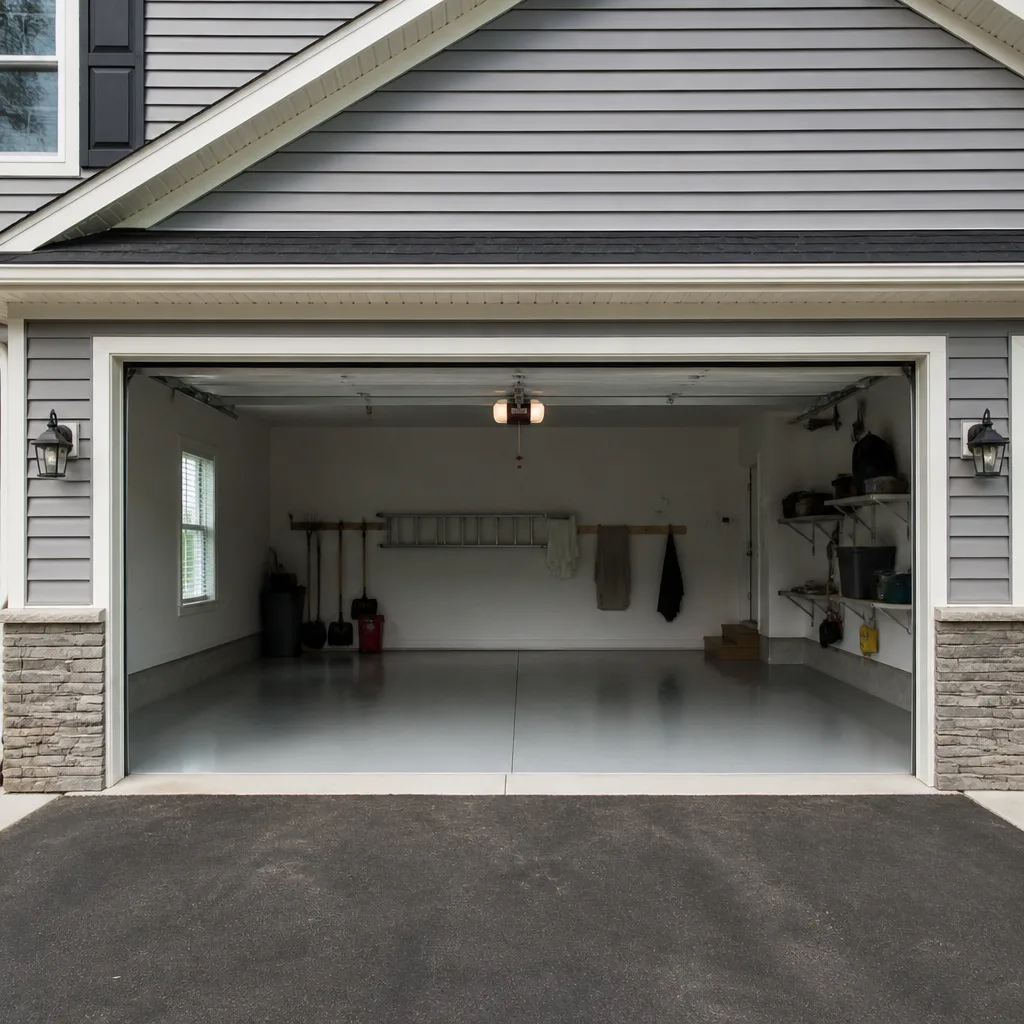
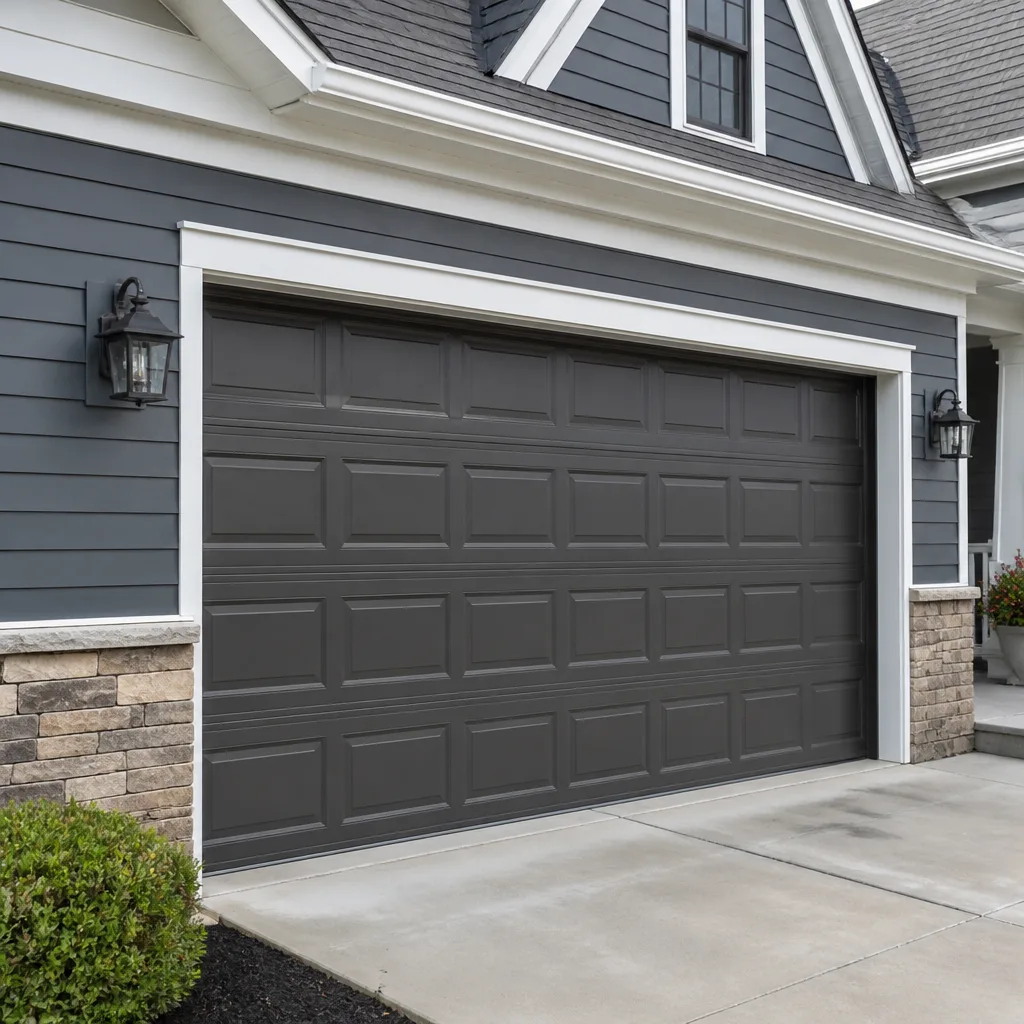 Raised-panel steel
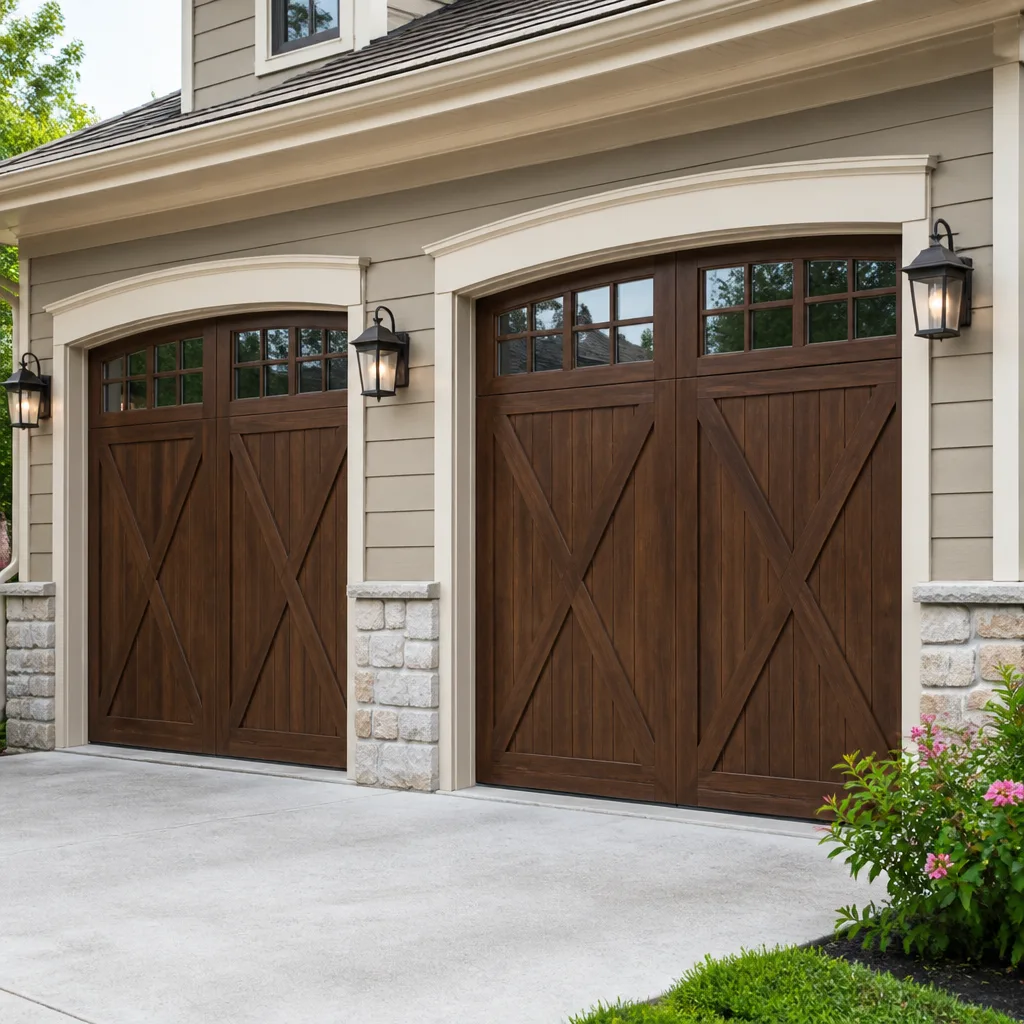 Carriage house
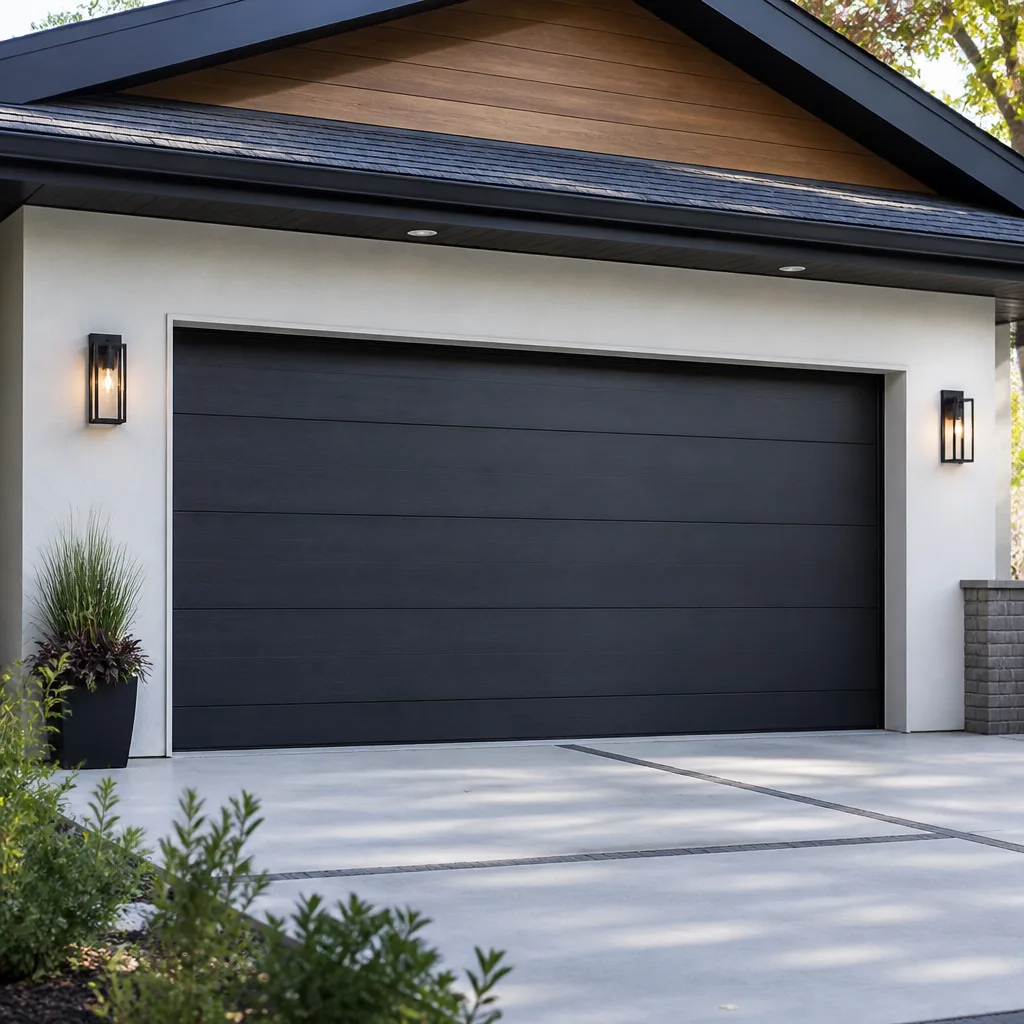 Modern flush
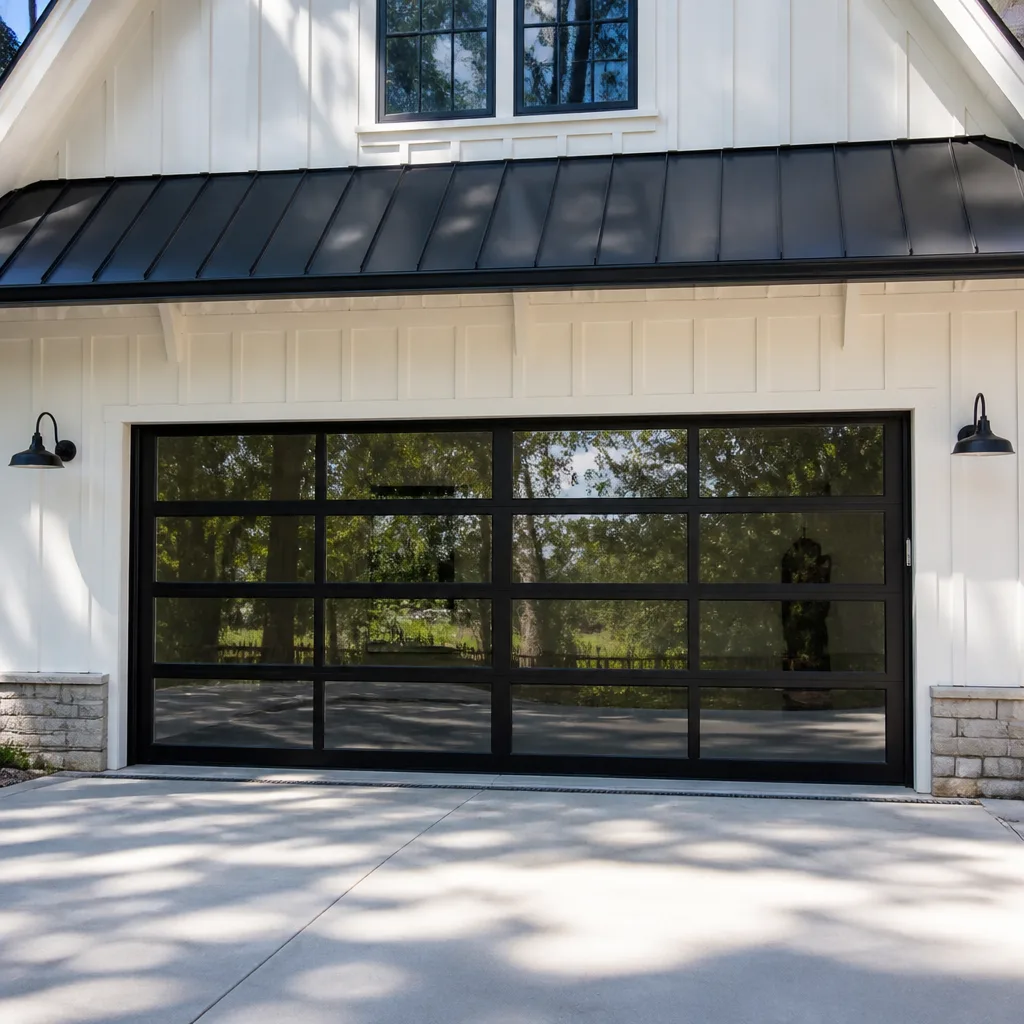 Full-view glass
 LiftMaster openers
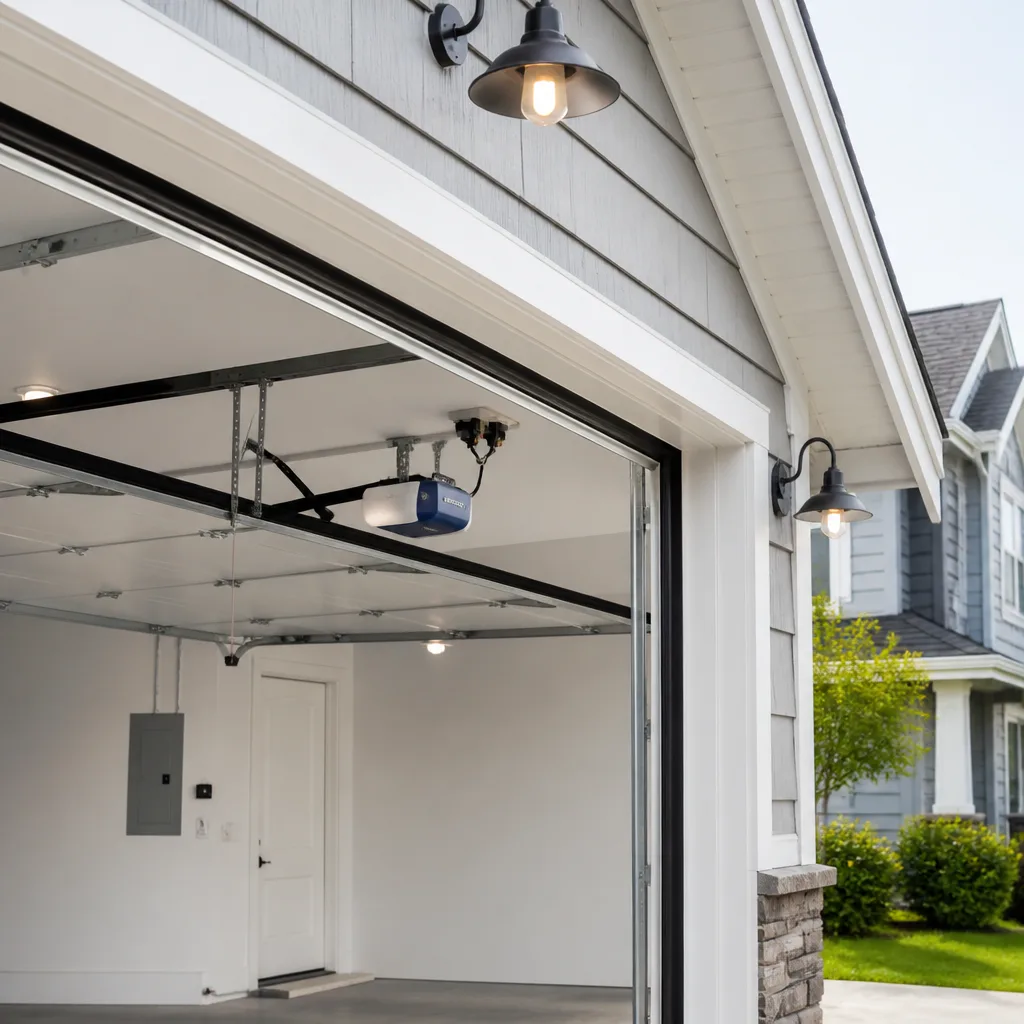 Chamberlain openers
Full 25-point door and opener safety check with every visit - springs, cables, rollers, tracks, and your LiftMaster or Chamberlain opener included
You get a price before we start. It does not change when the pro arrives.
Get your free estimateGarage Door Repair Troubleshooting in Holmesburg: Common Problems and How to Fix Them
A door that reverses before it reaches the floor and a door that slams down like a dropped anvil look like opposite failures. In our experience, they often trace back to the same small part: a limit switch that’s been nudged out of position or a travel setting that’s drifted. That’s the thing about garage doors. The symptom points one way, the root cause sits somewhere else. Most Holmesburg homeowners spend an hour adjusting the wrong bolt because they treat the symptom and never trace it back to the system. This guide teaches you to do the opposite. You’ll learn how to isolate the fault in about 60 seconds, which fixes are safe to attempt, and which ones you should put down and call us about. One homeowner with a screwdriver can do real damage. Knowledge first, tools second.
Quick Answer
Troubleshooting a garage door in Holmesburg starts with one question: is the fault mechanical or electrical? Lift the door manually with the opener released. If it’s heavy, binds, or won’t stay halfway up, the problem lives in the springs, cables, or track. If it moves smoothly by hand but fails under power, the fault is in the opener, sensors, or wiring. Spring and cable work is never a homeowner repair. Everything else can be narrowed down safely before you call a pro.
Styles & brands we work with
- Raised-panel steel
- Carriage house
- Modern flush
- Full-view glass
- LiftMaster openers
- Chamberlain openers
Table of Contents
- The 60-Second Component-First Diagnosis Map
- The Resistance Test: Isolating Mechanical From Electrical
- Why Cold Holmesburg Winters Break Doors in Specific Ways
- Which Fixes Are DIY-Safe and Which Require a Specialist
- Reading Opener Error Codes on Common Brands
- Sensors, Reversing, and Doors That Won’t Close
- Noise, Grinding, and Track Problems
- Repair or Replace? How to Decide Honestly
The 60-Second Component-First Diagnosis Map
Before you grab a single tool, walk the door. You can sort most failures into one of five buckets in under a minute just by watching and listening. This is the same sequence our technicians run when they walk up to a door in Holmesburg, and it works because a garage door is a closed system with a short list of moving parts.
Here’s the drill:
- Look at the springs. A torsion spring sits on the shaft above the door. Extension springs run along the sides. A visible gap in the coil, a spring hanging loose, or a door that suddenly feels like it weighs twice as much points straight here.
- Check the cables. These are the steel lines running down each side. A cable that’s jumped its drum or gone slack is a serious fault. Stop using the door if you see either.
- Scan the track. Look for bends, dents, or track that’s pulled away from the frame. A door that binds on one side usually has a track issue.
- Listen to the opener. A motor that hums but doesn’t move the door is a stripped gear or a dead capacitor. A motor that clicks and stops is usually a safety sensor or a logic board fault.
- Test the safety sensors. The two small eyes near the floor should have a solid light on each. Blinking or dead lights mean the door won’t close on purpose.
That five-point pass tells you which system you’re dealing with. It doesn’t tell you the exact part yet, but it gets you to the right chapter. When the first two items fail, you’ve got a mechanical problem that belongs with a specialist. If the door moves freely but the opener misbehaves, you’re into garage door opener repair territory, which is a different kind of diagnosis altogether.
The Resistance Test: Isolating Mechanical From Electrical
The single most useful test you can run on a misbehaving garage door is the resistance test. It separates a mechanical fault from an electrical one, and it takes about a minute. You perform it by hand, with the opener out of the picture. If you skip this step and start poking at the opener, you’re guessing.
Here’s how it goes:
- Close the door and pull the red release handle hanging from the opener trolley. This disconnects the door from the motor and puts it in manual mode.
- Lift the door slowly to about waist height. A properly balanced door lifts with one hand and holds position when you let go halfway up.
- Feel for resistance. Smooth travel means the spring system is healthy. A door that feels like lifting a car, binds partway, or drops when released has a mechanical problem.
- Lower it and listen. Grinding or squealing from one side points to a roller or bearing. A cable that’s out of its groove will usually reveal itself here.
- Re-engage the release by running the opener once. The trolley should reconnect automatically.
Interpret the result cleanly. If the door is heavy or binds, stop. That’s a spring, cable, or balance problem, and those are exactly the repairs we don’t want you doing yourself. If the door glides easily but the opener still won’t lift it, the fault is electrical: the motor, the capacitor, the logic board, or the sensors. In Holmesburg, where garage doors take a beating through a cold winter, a heavy door after the first hard freeze is one of the most common calls we get. For the electrical side, we can usually narrow it down over the phone before we ever arrive.
Why Cold Holmesburg Winters Break Doors in Specific Ways
Holmesburg winters are hard on garage doors in ways that a generic national troubleshooting guide never mentions. The failures you see here in January aren’t the same ones a homeowner in Phoenix sees. Cold affects metal, lubricant, and seals all at once, and the symptoms cluster into a few recognizable patterns.
- Track contraction. Steel tracks shrink in cold weather. A track that’s tight against the frame in summer can pull slightly out of alignment in a deep freeze, which makes the door bind or jump on one side.
- Thickened lubricant. Roller bearings and hinges packed with grease that’s fine in July get stiff in January. The door still moves, but it labors, and that extra strain works its way back to the opener.
- Stiff weather seals. The rubber seal along the bottom of the door hardens and can stick to a cold floor. The door starts, senses resistance, and reverses because the opener thinks it hit something.
- Spring fatigue showing up. A spring that was near the end of its life in autumn often fails on the first truly cold morning, because cold metal is less forgiving. A snapped spring leaves the door too heavy to lift.
You can head off some of this. Lubricating rollers and hinges with a cold-rated garage door lubricant before the season turns is the simplest preventive step, and keeping the bottom seal clean of ice helps prevent false reversals. What you can’t prevent is spring fatigue. When a torsion or extension spring lets go in the middle of a Holmesburg cold snap, the door is unsafe until a specialist replaces it, and there’s no shortcut around that.
Which Fixes Are DIY-Safe and Which Require a Specialist
We’re not going to pretend every garage door problem needs a professional. Some don’t. But the line between safe and dangerous is sharper than most homeowners realize, and spring work sits squarely on the danger side. Here’s the honest split, with criteria instead of vague warnings.
Fixes most homeowners can handle safely:
- Replacing the battery in a remote or keypad.
- Cleaning the safety sensor lenses and wiping away cobwebs.
- Re-aligning a sensor that’s been knocked slightly out of aim.
- Lubricating rollers, hinges, and the torsion shaft with the right lubricant.
- Re-engaging the manual release after a power outage.
- Tightening a loose bolt on a hinge bracket while the door is fully closed, so no tension is on it.
Fixes that require a specialist:
- Any work on torsion or extension springs. These store enormous tension even when the door is down. A torsion spring under load can cause serious injury if released the wrong way, and there’s no safe DIY method. This is the single most dangerous part of the whole door.
- Cable replacement or re-spooling. A cable under tension can whip free with enough force to break a bone.
- Track straightening when it’s badly bent, because the door has to come off the track to do it right.
- Replacing hinges or rollers on a door still connected to a live spring system.
- Opener logic board or capacitor replacement if you’re not comfortable with the wiring.
Our rule of thumb: if the repair requires you to release spring tension, work near a live cable, or get on a ladder above the door with tools, it’s a specialist job. Everything else is fair game. If you’re unsure, the garage door repair process starts with diagnosis, and a good tech will tell you plainly whether it’s a quick fix or a full repair. Spring repair, in particular, is why we exist as a single-trade specialist. It’s not a job a general handyman should attempt.
Reading Opener Error Codes on the Brands Sold in Northeast Philadelphia
Modern openers report a lot through blinking lights and error codes, but most homeowners never look past the manual because it’s a hassle. You can skip the search. The five brands you’ll most commonly see on Holmesburg doors are Craftsman, Raynor, LiftMaster, Chamberlain, and Genie, and their error patterns fall into recognizable families.
Light-based codes (most common on LiftMaster and Chamberlain):
- Up arrow flashing with the door down: the door won’t close and hasn’t reported an obstacle. Usually a sensor alignment or a blocked lens.
- Down arrow flashing: the door thinks something is in the path. Clean and re-aim the sensors first.
- Both arrows flashing together: often a wiring or logic fault, not a sensor issue.
- Door travels partway and reverses: usually a travel limit or force setting that needs adjustment.
Beep and LED codes (common on Genie and Raynor):
- Multiple beeps with the door reversing: the opener is sensing resistance. Check the bottom seal for sticking and the track for binding before blaming the motor.
- Solid red LED near the learn button: a safety sensor or wiring fault.
- No response with a click: capacitor or gear failure, which is a mechanical repair inside the opener.
Craftsman codes tend to mirror the LiftMaster family because they share much of the same internal logic. When you see a pattern, count the blinks and match them to the column in your manual. If the code points to an obstacle, fix the sensor first. If it points to travel or force, that’s an opener adjustment, not a sensor. If it points to a motor fault, it’s time for garage door opener repair from someone who knows the brand. We work on these systems specifically, which means we know the codes before we arrive.
Sensors, Reversing, and Doors That Won’t Close
A door that goes up fine but reverses or refuses to close is the most common symptom we hear about, and it’s almost never the door’s fault. The opener’s safety system is doing its job: it’s detected something in the path and it won’t crush it. Your job is to find out what it’s seeing when there’s nothing there.
Work through these in order:
- Clean both sensor lenses. Dust, spiderwebs, and in winter a film of road grime on the lenses all trigger false readings.
- Check the alignment. The two sensors face each other across the floor. If one is bumped out of line, the light transmission breaks and the door won’t close. Look for a solid indicator light on each sensor.
- Check for obstruction. A stray leaf, a piece of trash, or a tool left near the track can break the beam.
- Check the wiring. Loose wires at the sensor or the opener wall control can cause intermittent failures.
- Check the force and travel settings. If the door reverses on its own after clearing the sensors, the opener’s force setting may be too sensitive, or the travel limit may be miscalibrated.
- Check the sun. Direct sunlight into one sensor can flood it and break the beam. A sun shield fixes it.
Here’s the counterintuitive part from the top of this guide: a door that reverses too early and a door that slams down too hard often trace back to the same setting. Both are travel and limit problems, and both are adjustable by a professional who knows the opener. If you’ve cleared the sensors and the door still misbehaves, the sensor isn’t the culprit. The opener’s calibration is. That’s a five-minute fix for a technician and a frustrating afternoon for a homeowner with the wrong instructions. It’s also the kind of thing we diagnose over the phone in Holmesburg before we ever schedule a visit.
Noise, Grinding, and Track Problems
A noisy garage door is usually telling you something before it breaks. Grinding, squealing, and popping are early warnings, and catching them before they become a snapped cable or a bent track saves money and stress. The trick is to figure out where the noise comes from before it drives you to replace parts you didn’t need.
Match the sound to the source:
- Squealing on both sides: dry rollers or hinges. Lubricate them with a garage door lubricant, not WD-40, which attracts dust and doesn’t last.
- Grinding on one side: a bad roller or a dry bearing. Replace the roller, not the whole hinge.
- Popping or snapping: a cable that’s out of its drum, or a spring that’s starting to fail. Stop using the door and call a pro.
- Rattling at speed: loose hardware, sometimes just bolts that have vibrated loose. Tighten them while the door is down.
- Scraping along the track: the door is off-center or the track is bent. Look for a gap between the roller and the track edge.
Track problems deserve a special note. A minor dent or a slight bend can often be straightened with the door fully closed, before any tension is on it. But a badly bent track, or track that’s pulled away from the frame, means the door has to come off its tracks to reset. That’s a specialist job because the door has to be supported and the spring tension handled. In Holmesburg, we see bent track after a hard winter freeze more than any other time of year, and it’s almost always from steel contracting against a tight frame.
Repair or Replace? How to Decide Honestly
The most useful thing a garage door company can do for you is tell you when not to spend money. Not every failing door needs a new one, and not every repair is worth making. We’ll give you the honest criteria so you can decide before you call.
Leaning toward repair:
- The door is structurally sound and the problem is a single component (spring, opener, roller, sensor, or cable).
- The door is recent enough that the panels and hardware are still in good shape.
- The failure is isolated: one spring, one sensor, one bad roller.
- The door opens and closes on manual with reasonable effort when the opener is released.
Leaning toward replacement:
- Multiple springs have failed within a few years of each other, which often signals an aging system nearing the end of its life.
- The panels are damaged, rusted, or delaminating, and no repair will fix the appearance or safety.
- The opener is failing and won’t take a new one cleanly, or the door and opener are mismatched in a way that will keep causing stress.
- You want a door with better safety features, quieter operation, or a look that fits your home.
New installation is a scheduled job, not an emergency one, which means you get a chance to measure, choose, and plan properly. If a repair reveals a door that’s past saving, we handle garage door installation as the next step, so you’re not hunting for a second company. Our technicians have up to 9 years of experience across the full range of doors and openers, from Craftsman to Raynor, which means the repair-or-replace call comes from someone who has seen both sides of that decision many times.
Common Mistakes to Avoid
- Opening the door when a spring is broken. A door with a snapped spring is unsafe to operate. Force it and you risk the opener, the cables, and yourself. Leave it closed and call a specialist.
- Using WD-40 on roller bearings. It thins the existing grease and attracts dust. Use a proper garage door lubricant instead, and apply it to rollers, hinges, and the torsion shaft.
- Adjusting the opener before the resistance test. If the door is heavy by hand, the opener isn’t the problem. Adjusting the opener to compensate masks the real fault and stresses the motor.
- Straightening a bent track with the door up. Tension lives in the springs above, and a track that’s forced while the door is up can send the door off the rails. Straighten only with the door fully closed.
- Ignoring a reversing door by holding the wall button. Holding the button to force the door closed bypasses the safety system. Find out why it’s reversing instead.
- Lubricating in summer and forgetting in winter. Cold weather stiffens lubricant in Holmesburg, so a fall lubrication is the one that matters most.
- Assuming the sensor is the problem because the door reverses. If the lenses are clean and the sensors are aligned, the fault is more likely the travel limit or force setting, which is an opener adjustment.
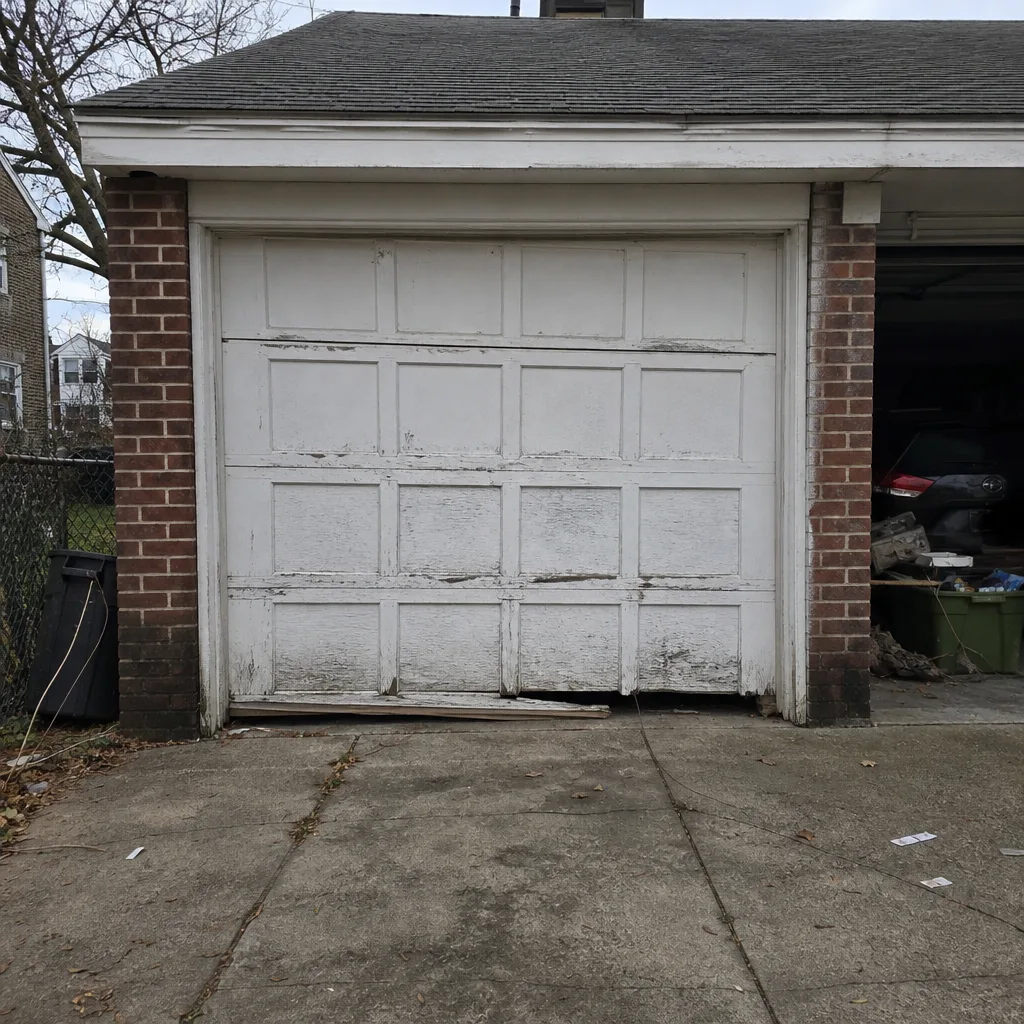
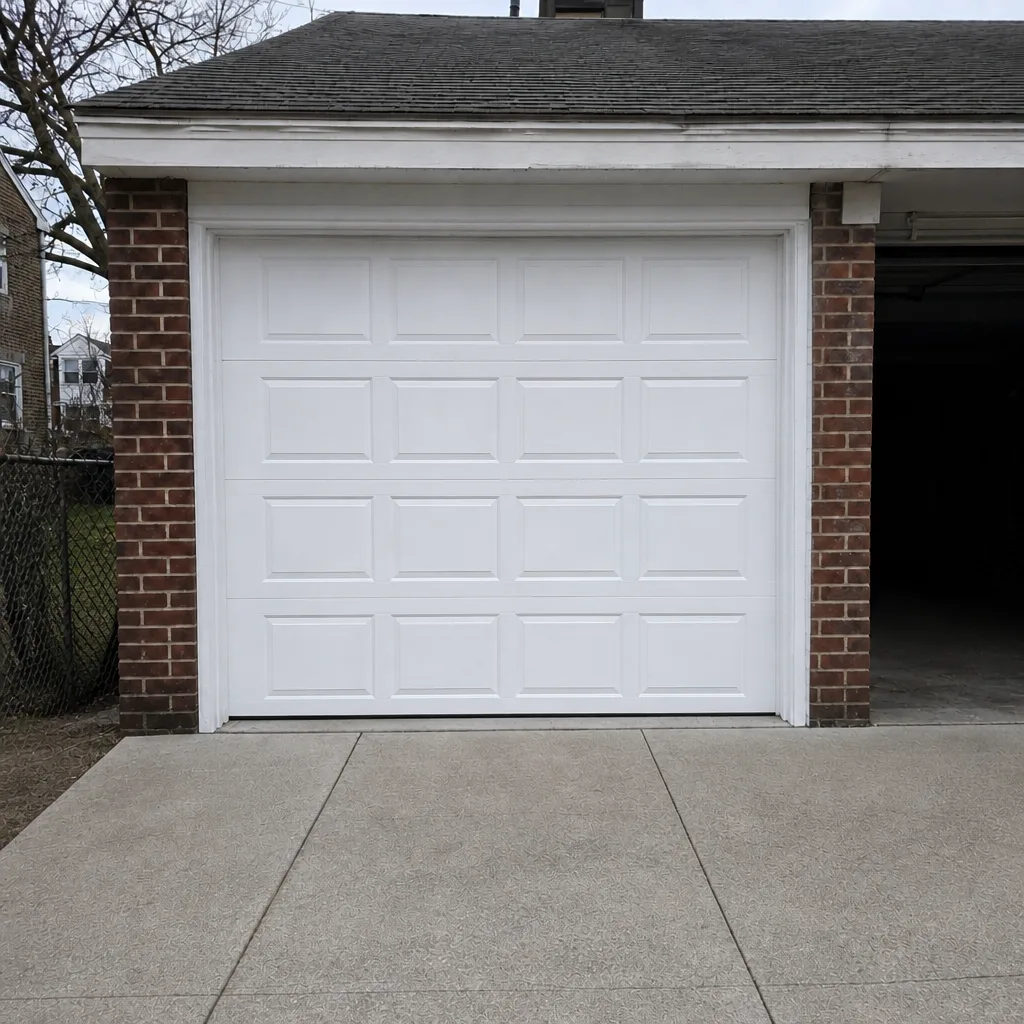
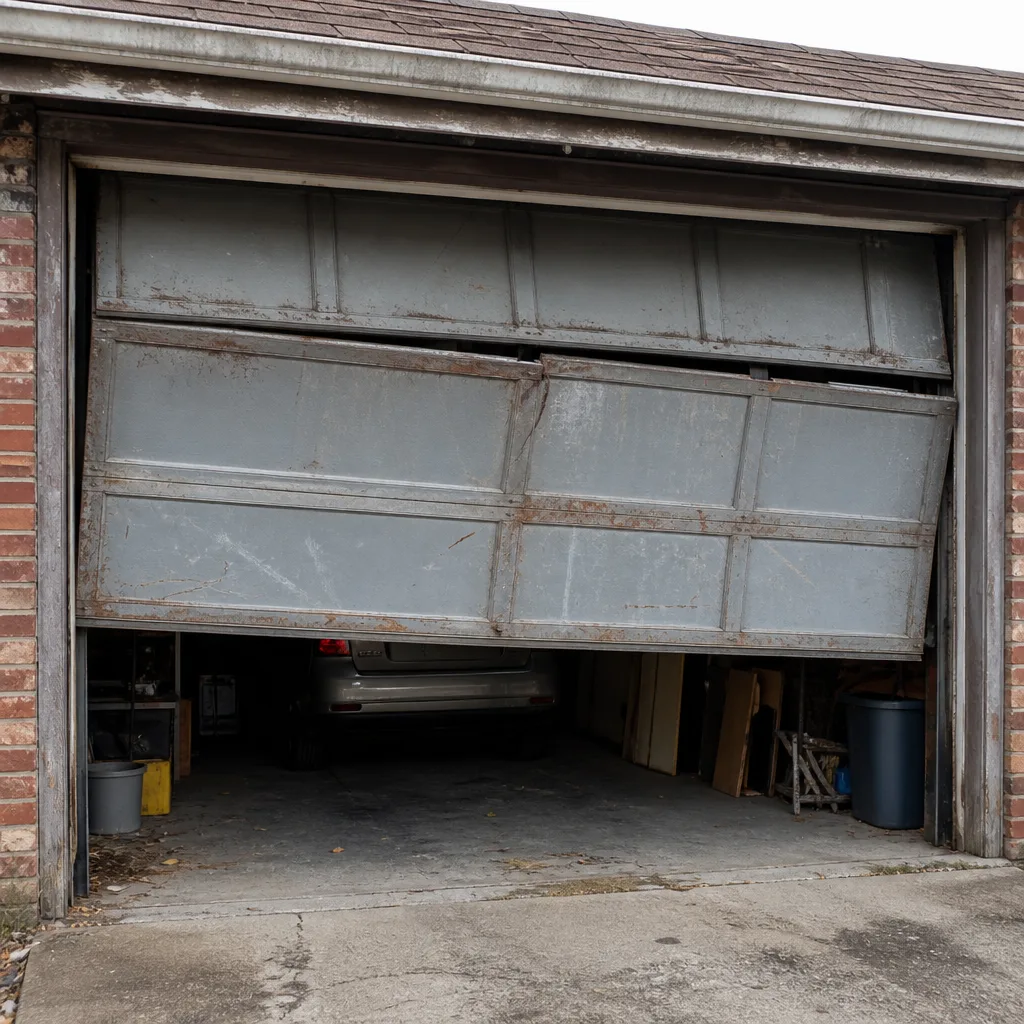
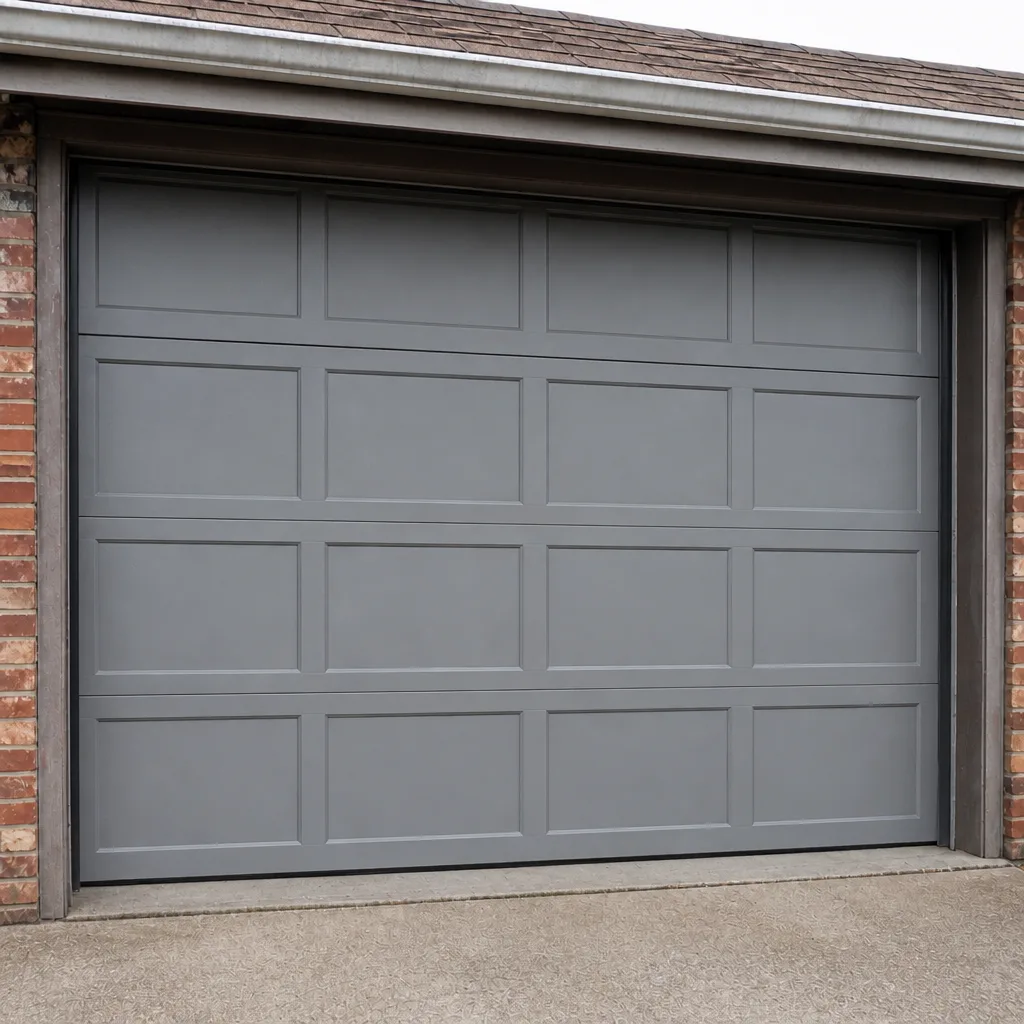
See the difference
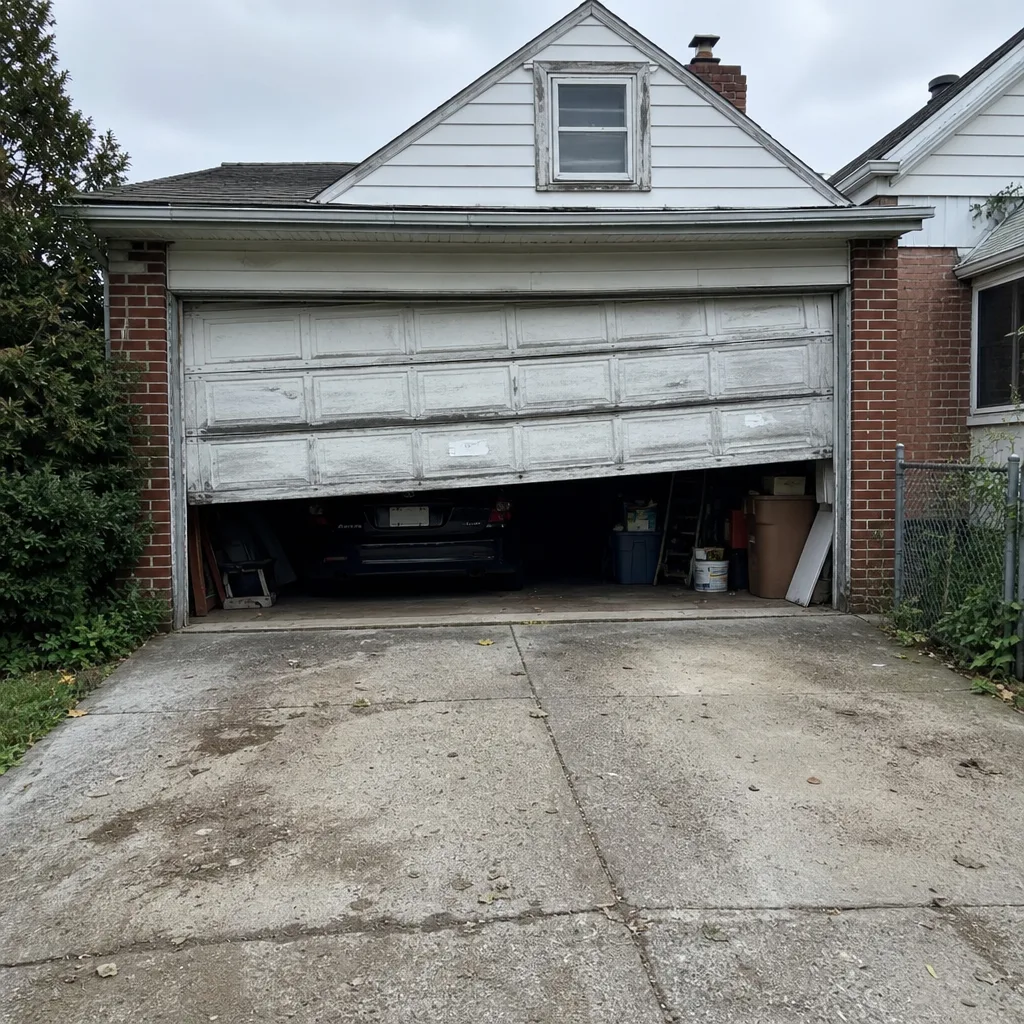 Before
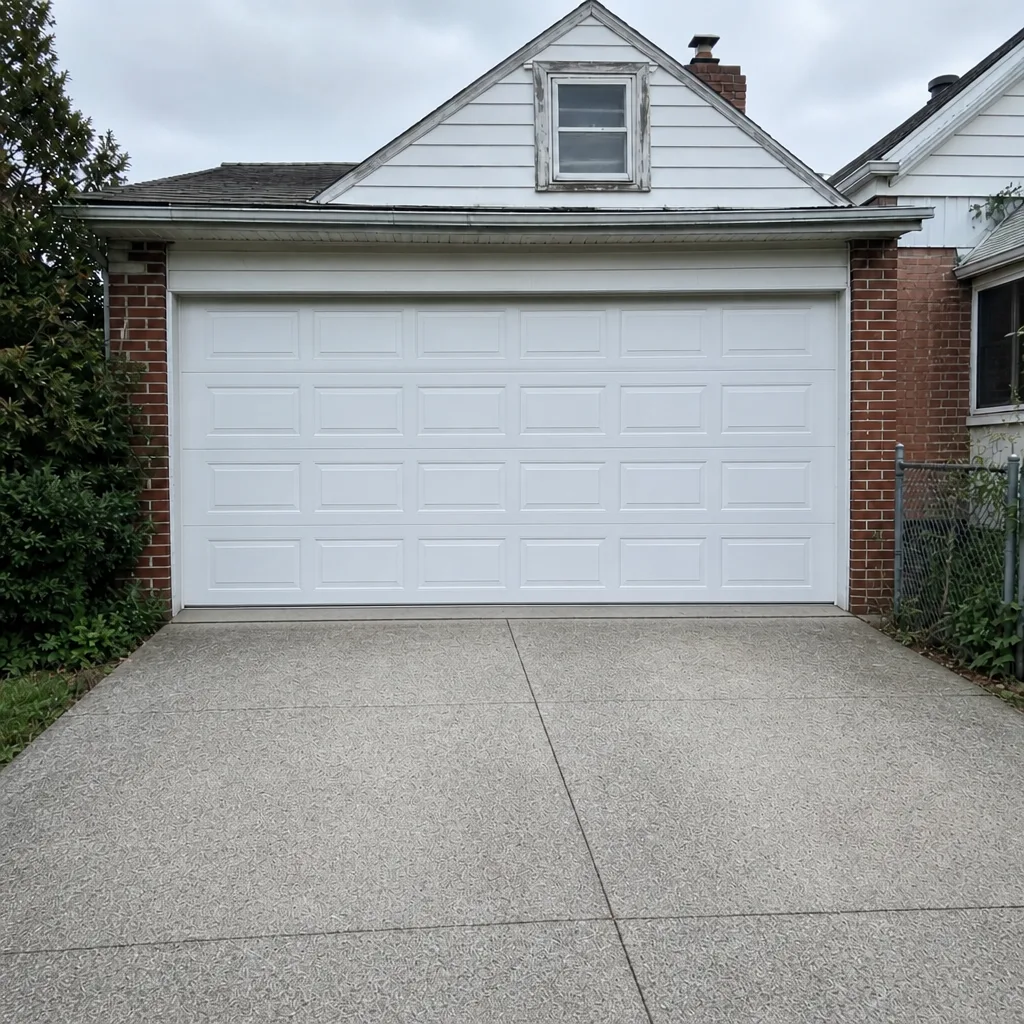 After
 Before
 After
 Before
 After
When to Call a Professional
Call a professional the moment the fault touches a spring, a cable, or a badly bent track. Those three are the ones where a homeowner can be seriously hurt, and no amount of online instruction makes them safe to attempt yourself. Also call if the door is heavy by hand, if it’s off the tracks, if the opener clicks but won’t move the door, or if the sensors are clean and aligned and the door still reverses. And call if you’ve tried the sensible fixes and the problem persists; a good technician will find the root cause in a walk-around and a resistance test. Garage Door Repair Holmesburg offers free estimates in Holmesburg. Call (833) 509-3024 and we’ll tell you plainly what it takes to get the door working again. If it’s a garage door problem, it’s the only kind of problem we solve.
Frequently Asked Questions
Garage door repair in Holmesburg typically ranges from a modest service call for sensor or adjustment work up to several hundred dollars for a spring or opener repair, and the written quote you receive before any work starts is the final number. Spring pricing is quoted per spring, and a matched pair is usually replaced together, so a pair costs about twice a single spring. Call (833) 509-3024 for an exact quote. Estimates are free.
Yes, emergency garage door service is a core part of what we do, and we prioritize doors that are stuck open or blocking a car in. Call (833) 509-3024 and tell us whether the fault is mechanical or electrical, and whether the door is up or down. If it’s a stuck door in Holmesburg, we’ll get you on the schedule.
Run the resistance test: release the opener and lift the door by hand. If the door is heavy or binds, the fault is mechanical (spring, cable, or track); if it moves smoothly by hand but fails under power, the fault is in the opener, sensors, or wiring. That single test tells you which system to focus on before you call.
The local professionals we connect you with are licensed and insured as their state requires, and they work on garage doors specifically rather than as a general handy service. Our technicians have up to 9 years of experience and work on the major door and opener brands, from LiftMaster to Raynor. Call (833) 509-3024 to book an estimate.
No, the price you’re quoted is agreed before any work starts, so you know the number before we touch a bolt. If we find something unexpected during diagnosis, we’ll explain it and get your approval before proceeding. That’s how the written estimate stays honest. Call (833) 509-3024 for a free estimate.
A door that reverses before reaching the floor is almost always a travel limit or force setting that’s drifted, not a broken sensor. Clean and re-align the sensors first, then check the opener’s limit and force adjustments. If it still reverses, that’s a calibration issue a technician can fix in minutes.
The Bottom Line
Most garage door problems look like one thing and are actually another. The door that reverses early and the door that slams often share a misadjusted limit switch. The door that’s “stuck” is usually a spring or cable failure the resistance test will catch in a minute. Trace the fault to its mechanical root before you touch a bolt, and know the line: springs and cables are specialist work, everything else is worth a careful look. In Holmesburg, cold winters add their own failure patterns, so a pre-winter lubrication and seal check pays for itself. When the diagnosis points to spring work, opener repair, or a door that’s past saving, that’s what we’re here for.
If it’s a garage door problem, it’s the only kind of problem we solve. Call (833) 509-3024 for a free estimate and we’ll get to the root of it.
Written by the team at Garage Door Repair Holmesburg.