Last updated November 21, 2026
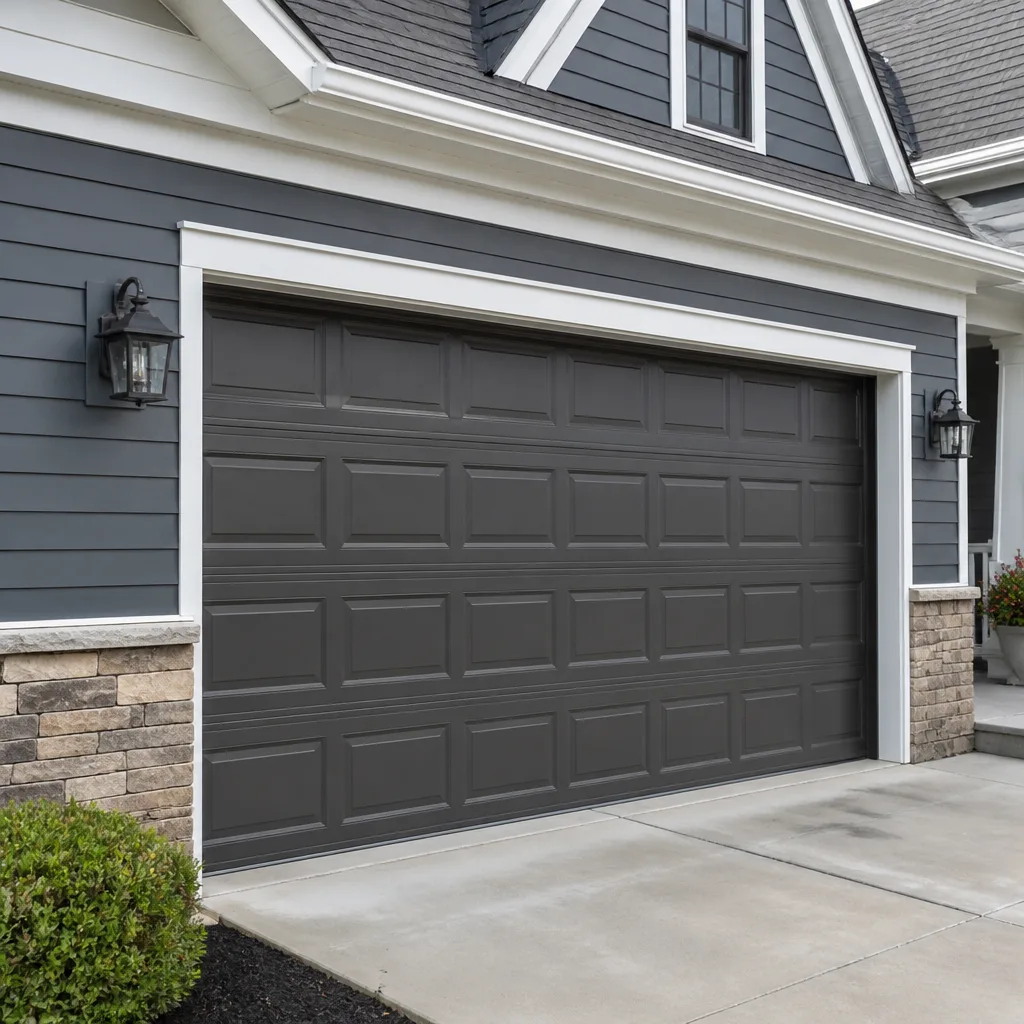 Raised-panel steel
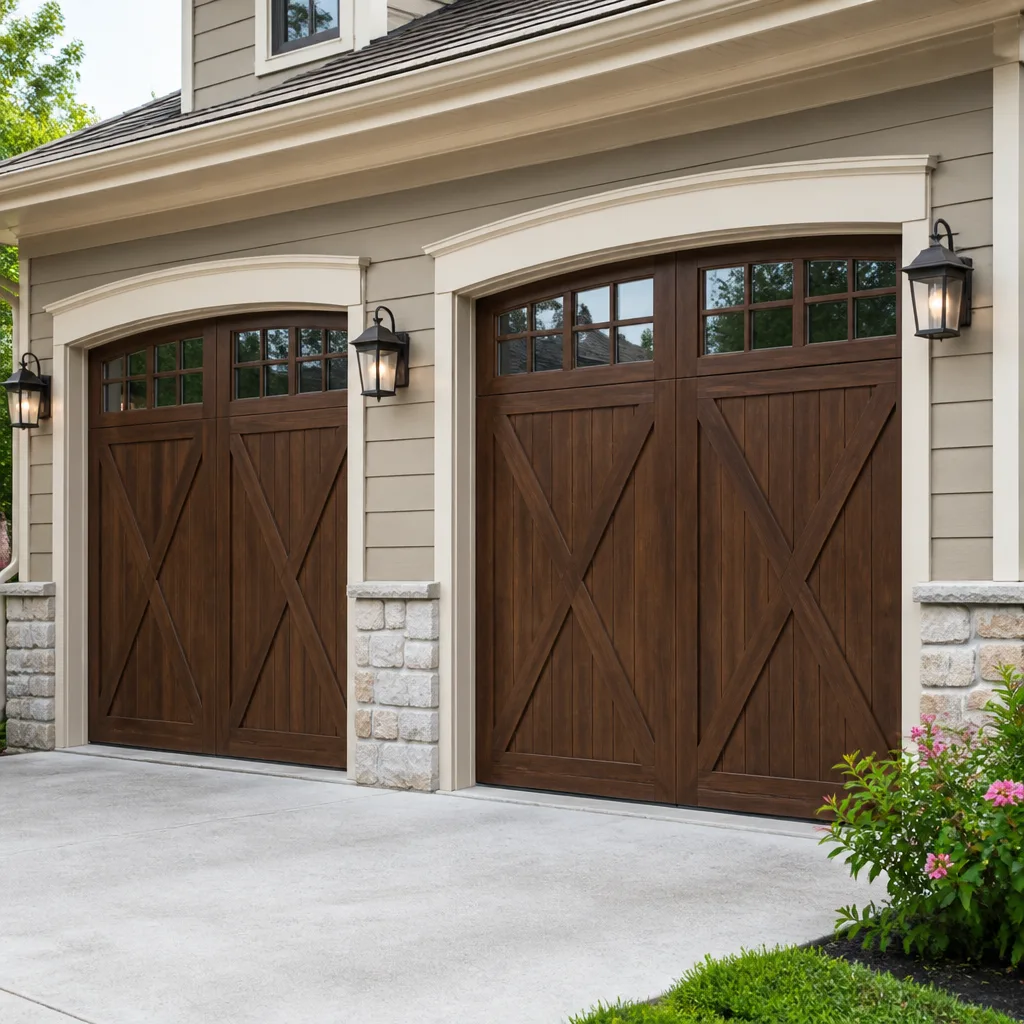 Carriage house
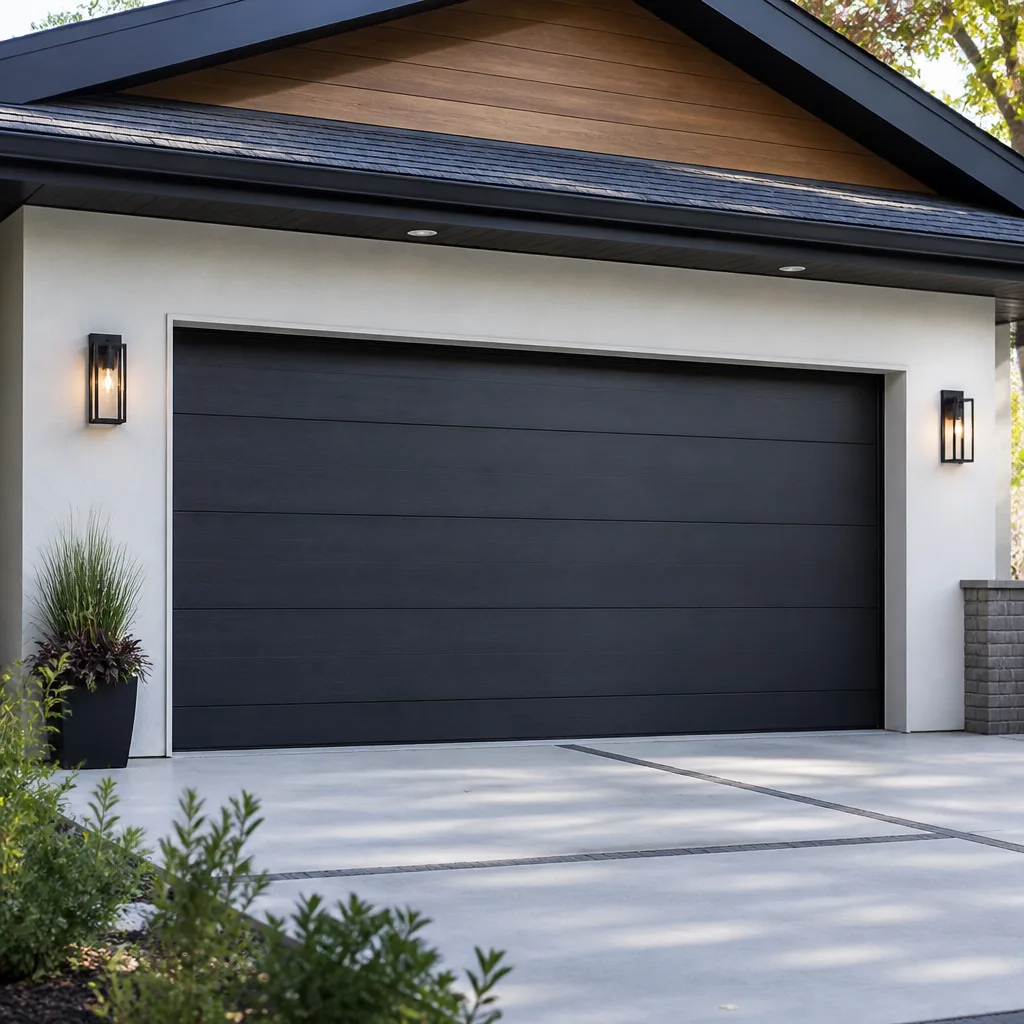 Modern flush
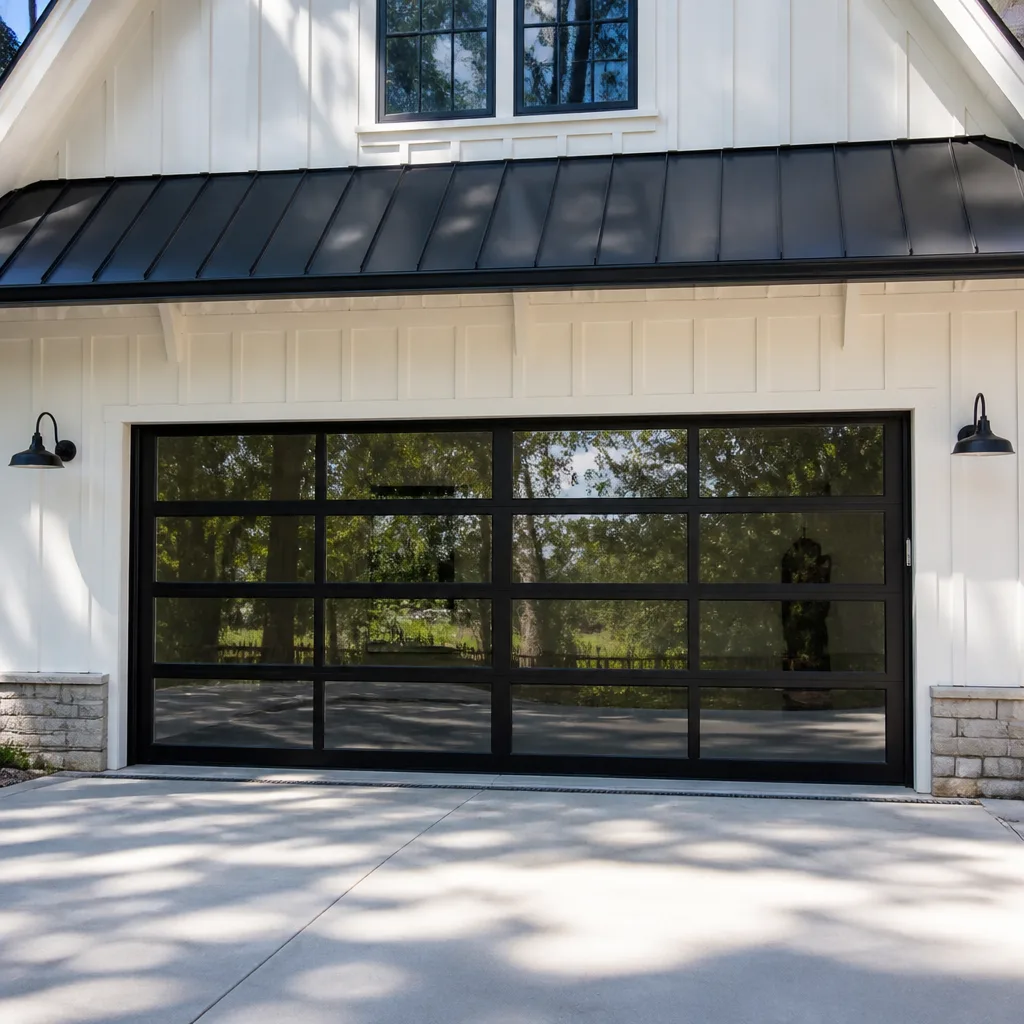 Full-view glass
 LiftMaster openers
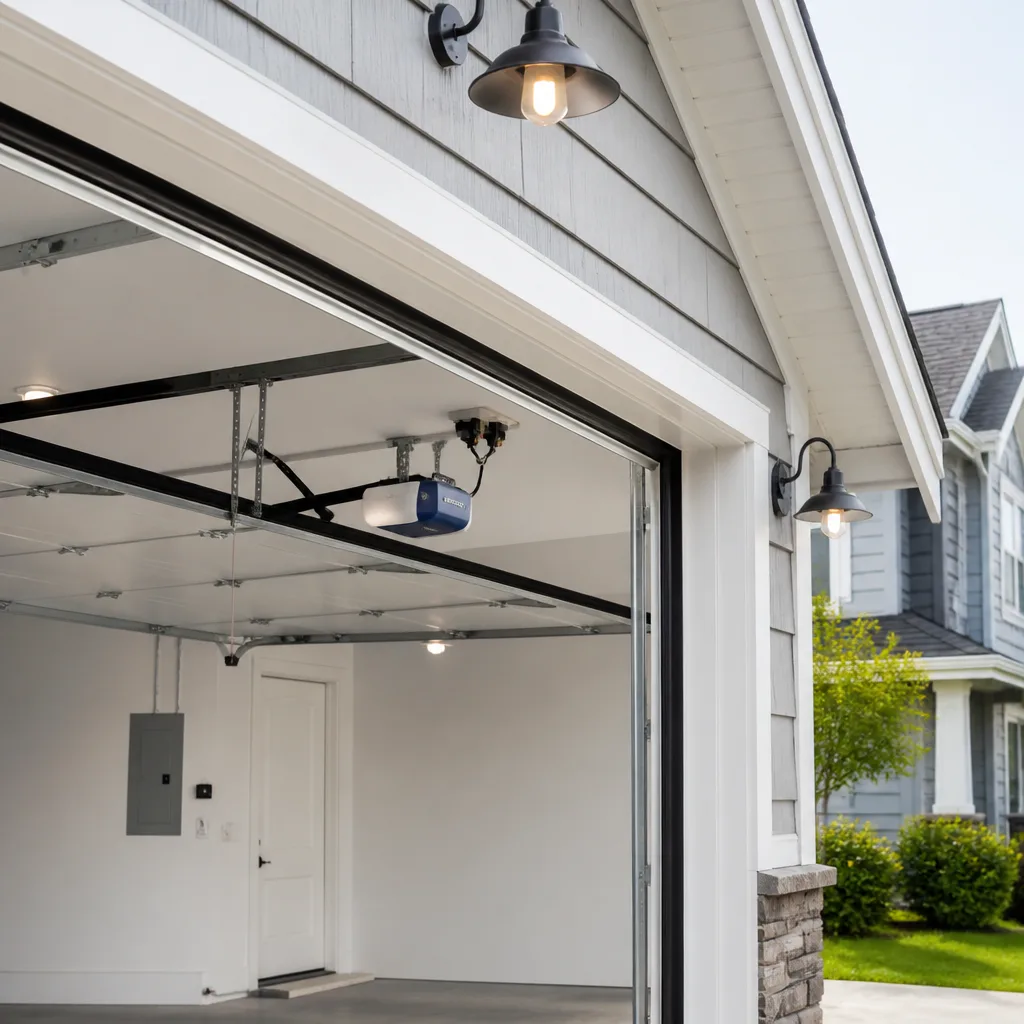 Chamberlain openers
Full 25-point door and opener safety check with every visit - springs, cables, rollers, tracks, and your LiftMaster or Chamberlain opener included
You get a price before we start. It does not change when the pro arrives.
Get your free estimateSeasonal Garage Door Care for Holmesburg: Year-Round Homeowner’s Guide
Most homeowners in Holmesburg assume their garage door is safest in the middle of winter, when the cold settles in and stays put. It’s actually the opposite. Our technicians have seen more damage in the two-week stretch of late February, when temperatures in Holmesburg swing 40 degrees in a single day, than during the deepest cold of January. That rapid cycling cracks seals, contracts springs, and shifts tracks all at once, and it happens while most people aren’t looking. This guide maps Holmesburg’s real weather calendar against the exact door components each season stresses most, so you can catch small problems before they turn into emergency calls.
Quick Answer
Seasonal garage door care in Holmesburg means paying attention to the conditions that hit hardest here: rapid freeze-thaw swings in late February, post-winter stress in April and May, humid summer swelling in July and August, and the October sealing window before the cold returns. The single most useful thing you can do year-round is a monthly balance test, which catches the majority of developing spring, track, and opener problems before they become breakdowns. For safety-critical repairs like torsion springs or track repair, call a specialist rather than attempting the fix yourself.
Styles & brands we work with
- Raised-panel steel
- Carriage house
- Modern flush
- Full-view glass
- LiftMaster openers
- Chamberlain openers
Table of Contents
- February to March: Why Temperature Cycling Beats Sustained Cold
- April to May: The Post-Winter Inspection Sequence
- July to August: How Humidity Stresses Wood Doors and Openers
- October to November: The Sealing Window Before Winter
- The Monthly Balance Test That Catches Most Problems
- Year-Round Opener Care in Holmesburg
- Working With the Major Brands
- Common Mistakes to Avoid
February to March: Why Temperature Cycling Beats Sustained Cold
A torsion spring is a coiled piece of steel under constant tension, and it behaves a lot like a rubber band that’s been stretched and relaxed thousands of times. Sustained cold stiffens the metal, but the spring still holds a fairly steady load. Rapid temperature cycling is harder because the spring expands and contracts along with the door’s steel panels and the moving parts around it. In Holmesburg, that late-February window delivers the worst of it: a 40-degree swing in a single day pushes the spring through a full expansion and contraction cycle, and then does it again the next day. Do that for two weeks and microscopic fatigue builds faster than it would in a steady January cold snap.
We’re not suggesting you sit around worrying about metallurgy. What matters is knowing how to spot the early warning signs before the spring snaps and the door drops.
- Uneven door travel: If the door opens or closes at a slight angle, one spring may be losing tension before the other.
- Visible gaps or bends in the coils: A spring with a stretched section or a small gap between coils is fatigued, not just worn.
- Loud popping or a bang at start-up: A single sharp bang from the torsion bar usually means a spring has failed and should not be driven further.
- A door that feels heavier than last month: Test it by hand at the midpoint when the door is closed and disengaged from the opener, and if it takes real effort to lift, the springs are weakening.
Torsion springs are under extreme tension and can cause serious injury if handled by anyone without the right tools and training. If you see any of these signs, treat the door as temporarily out of service and call a specialist. If you need Garage Door Repair Holmesburg, that’s the kind of work to leave to someone who handles springs every day.
April to May: The Post-Winter Inspection Sequence
Once the freeze-thaw season ends, the door needs a proper going-over before it gets heavy summer use. Think of the inspection as a sequence: start at the door itself, work inward toward the springs, then check the hardware and the opener. Doing it in that order stops you from missing the small problems that hide in the middle.
- Look at the door panels and hinges. Check for dents, misaligned panels, or hinges that have started to squeak or bind. A hinge that seized in the winter is easy to spot now.
- Check the tracks for alignment. Freeze-thaw movement can push a track out of parallel. Run your hand along the rail (with the door closed) and feel for dents or pinch points, or hold a straightedge against the vertical track.
- Inspect the rollers. Rollers that have worn flat or that wobble in their brackets will make a door noisy and put extra strain on the opener. A door that suddenly sounds loud in April is usually telling you a roller is going.
- Test the springs by hand. Disengage the opener and lift the door halfway. It should hang there without drifting up or down. If it drops on its own, the springs need attention.
- Lubricate the moving parts. A few drops of a proper garage door lubricant on hinges, rollers, and the torsion bar bearings goes a long way once the weather settles. Avoid spraying anything on the tracks themselves; that attracts grit.
- Test the safety reverse. Put a small object like a roll of paper towels under the closing door. The door should reverse on contact. If it doesn’t, stop using the opener until it’s fixed.
- Check the weatherstripping and bottom seal. Winter is the harshest test for seals, and a cracked bottom seal is one of the first things to fail.
This sequence takes most homeowners less than an hour. If something on the list looks wrong, especially the spring test or the safety reverse, that’s a good point to get a professional involved rather than push through. When a repair is more than a quick adjustment, the right call is professional garage door repair rather than a patch.
July to August: How Humidity Stresses Wood Doors and Openers
Holmesburg’s summers bring humidity peaks that do real work on a wooden garage door. Wood is porous, and when the air is muggy, the sections absorb moisture and swell. That swelling is usually slight, but it throws off the fit between sections. A door that opened cleanly in May can start to bind against its tracks in July, and the bind adds load to every part of the system. If your door is a Wayne Dalton or Amarr wood model, this is the season to watch it closely.
Binding doesn’t just feel awkward. It’s the most common cause of premature opener failure we see. The opener motor is pulling against a load it wasn’t sized for, and the lift mechanism, the gear, and the travel limits all take the hit. Homeowners often assume the opener is failing when the real problem is a swollen door.
What to check during the humid months:
- Listen for the opener straining: A motor that sounds labored at start-up or that runs longer than usual is fighting extra load.
- Watch the door travel on a hot day: If it moves smoothly in the morning cool but grinds in the afternoon heat, humidity swell is the likely cause.
- Check the door stops: Binding will show up at the point where the door rubs against the stops or the track. Look for rub marks.
- Keep the opener’s force adjustment within spec: Some openers require a slight force adjustment, but that’s a job for a technician; forcing a bind with the opener setting just masks the problem and wears the motor faster.
If a swollen door is binding, the fix is to identify the section causing the problem, not to force it with more opener power. Our technicians work on Craftsman and Chamberlain openers and can tell you whether the issue is the door or the opener. If the diagnosis points to the opener, garage door opener repair is a straightforward call.
October to November: The Sealing Window Before Winter
There’s a narrow window in Holmesburg each October and November when the weatherstripping you put on now determines how the door seals all winter. Get it right and the colder months pass without drafts, water intrusion, or the constant sound of the door rattling. Get it wrong, or skip it, and you’ll be dealing with a cold, noisy door from December onward.
The two components that matter most are the bottom seal and the perimeter weatherstripping around the door frame. The bottom seal is the rubber or vinyl strip along the bottom of the door; it takes the most wear because it contacts the floor every time the door closes. The perimeter strips fill the gap around the sides and top of the frame. Both are exposed to the same freeze-thaw cycling that hits the springs, and by fall, both are usually showing cracks or hardening.
Here’s the sequence for getting the door ready before the cold arrives:
- Inspect the bottom seal. Run your fingers along its length and look for cracks, flattening, or sections where it’s pulled away from the door. A hardened or cracked seal will let cold air and water in all winter.
- Check the perimeter strips. Look for gaps, peeling, or strips that have separated from the frame. These are the first place a draft shows up.
- Measure and replace with the right material. Bottom seals come in different profiles, and the wrong one won’t seat properly. If you’re replacing a wood door’s seal, match it to the door.
- Test the seal by closing the door and looking for light. Daylight under the door or around the frame is a gap that will let cold air in all winter.
- Check for water intrusion after a rain. If the inside of the garage is wet after a fall storm, the seal needs attention before winter.
This is a job most homeowners can do themselves, but sealing a door improperly can leave a gap that goes unnoticed until the first cold snap. If your door is a heavier Raynor or Clopay model or you’re not sure which seal profile matches, a free estimate is the simplest way to get it right.
The Monthly Balance Test That Catches Most Problems
If you do one thing on this list, make it the monthly balance test. In our experience, the balance test catches the large majority of developing problems before they become emergency calls, because almost every door issue – a weakening spring, a shifted track, a binding door, an opener that’s overworked – shows up as imbalance first.
Here’s how to do it safely:
- Close the door fully. Disengage the opener using the release handle (usually a red cord hanging from the rail).
- Lift the door by hand to the halfway point. Use the bottom edge or the handle, not the hinges.
- Let go and watch. A door that’s in balance will stay roughly where you left it, within a few inches. A door that drops means the springs are weak. A door that climbs back up means they’re too tight.
- Reengage the opener. Push the door back down fully and reconnect the release.
That’s the whole test, and it takes about two minutes. Do it once a month, and especially after any rapid weather swing. A door that suddenly fails the balance test in late February or after a humid stretch in July is telling you something is about to give. The point is to catch it while it’s still a cheap adjustment rather than a breakdown.
One important caveat: the balance test is a check, not a repair. If the door fails, don’t try to tighten or replace a torsion spring yourself. Springs are under enormous tension and can cause serious injury. Use the test to know when to call, not to do the fixing.
Year-Round Opener Care in Holmesburg
The opener is the component homeowners touch most and think about least. Between the seasonal stress on the door and the extra load that Holmesburg’s heat and humidity put on it, an opener that’s never been looked after will start to misbehave sooner than it should. Most problems are gradual: the opener gets louder, the door slows down, the safety reverse gets inconsistent.
Year-round opener checks worth doing:
- Test the safety reverse monthly. Put a small object under the closing door and confirm it reverses on contact.
- Listen for changes in sound. A new grinding or rattling noise usually points to worn gears or a chain that needs adjustment.
- Check the wall control and remote. A dead remote can be a battery or a signal issue; either way, it’s a quick diagnosis.
- Clear the safety sensors. Dust and spider webs are the most common cause of a door that refuses to close. Wipe the lenses and clear the path.
- Don’t force a bind. If the door is binding, the opener is doing work it shouldn’t have to. Fix the door first, then check the opener.
Our technicians work specifically on LiftMaster, Chamberlain, Genie, and Craftsman systems, so when a garage door opener fails in Holmesburg, we’re diagnosing the actual logic and components of the unit, not guessing at generic parts. If your opener is the problem, the right next step is to book a repair rather than keep working around it.
Working With the Major Brands
Different brands of doors and openers each have their own logic, components, and common failure points. A technician who works only with generic parts will get you close but often not exactly right. We work on eight major manufacturers – LiftMaster, Chamberlain, Genie, Clopay, Amarr, Wayne Dalton, Craftsman, and Raynor – and that brand fluency matters when your door has a specific spring configuration or your opener has a particular force-setting procedure.
For homeowners in Holmesburg, that range means we don’t have to guess which aftermarket part fits your door. We work with the components the manufacturer designed for the system. And when a repair is no longer worth it, we can talk through the case for replacement without pushing you toward it. If you’re at that point, garage door installation is the next step, and we can help you think through whether it’s really needed.
The same brand knowledge applies to spring work. A door with a Wayne Dalton torsion system needs the correct spring wire diameter and length, not something pulled off a shelf. Getting the spring wrong is how a door ends up unbalanced and unsafe, so it’s worth having the right technician do the job.
Common Mistakes to Avoid
- Ignoring the late-February warning signs. Many Holmesburg homeowners assume the worst damage happens in January, so they skip the check in late February. It’s the opposite: the temperature cycling is what does the damage, and the spring fatigue shows up in the swing weeks, not the steady cold.
- Greasing the tracks. Lubricant on the tracks collects grit and causes more binding, not less. Lubricate the hinges, rollers, and bearings instead, and leave the tracks clean and dry.
- Trying to fix a torsion spring yourself. Springs are under extreme tension and can cause serious injury. Even experienced homeowners should not attempt a spring replacement. Call a professional.
- Masking a binding door with the opener. Turning up the opener’s force to push through a bind might work in the short term, but it wears out the motor faster and hides the real problem in the door.
- Skipping the October seal check. A cracked bottom seal that goes unnoticed in October will let cold air in all winter. Holmesburg’s freeze-thaw cycle makes that gap worse, not better.
- Waiting for the door to fail before calling. Every problem on this list is cheaper to fix when it’s early. The monthly balance test is the cheapest insurance you have.
- Assuming noise means the opener is dying. In our experience, a door that suddenly gets noisy in summer or after a cold snap is usually telling you about a door issue, not an opener one. Diagnose the door first.
See the difference
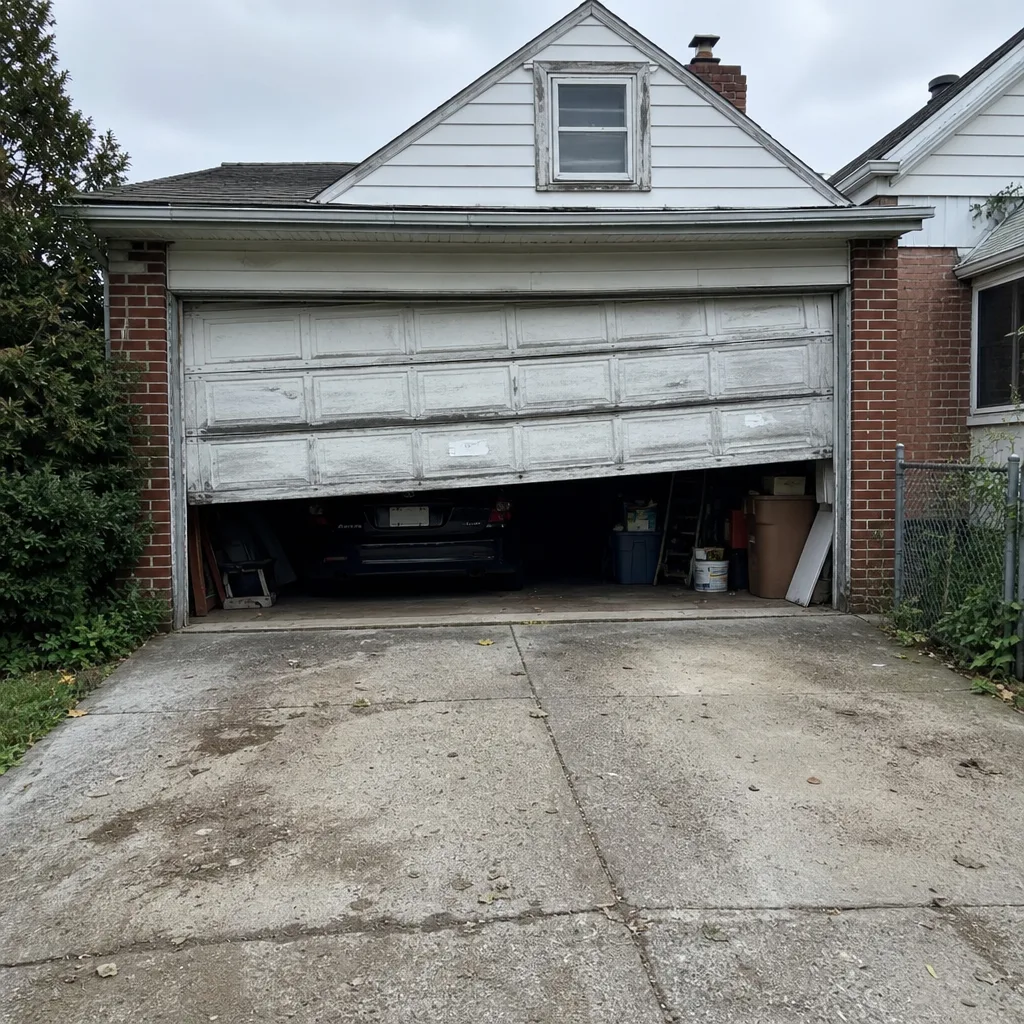 Before
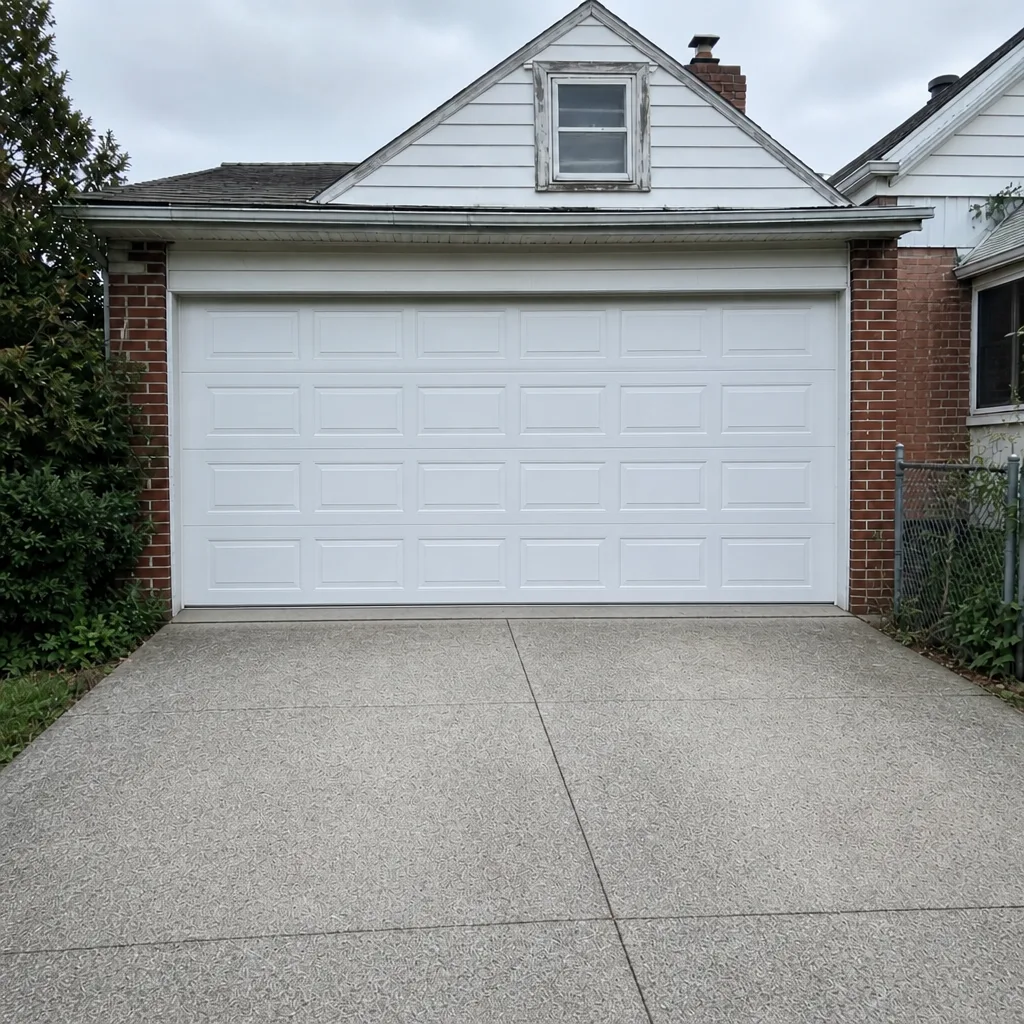 After
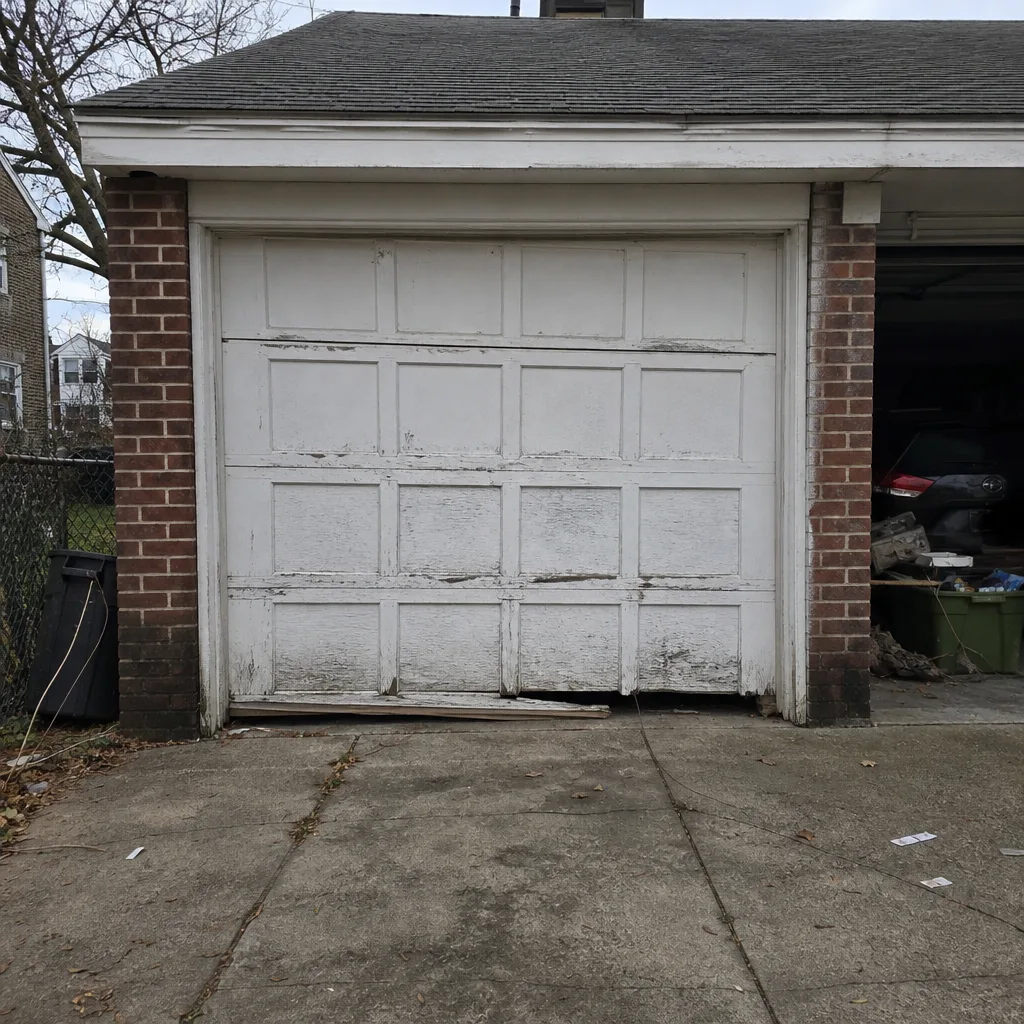 Before
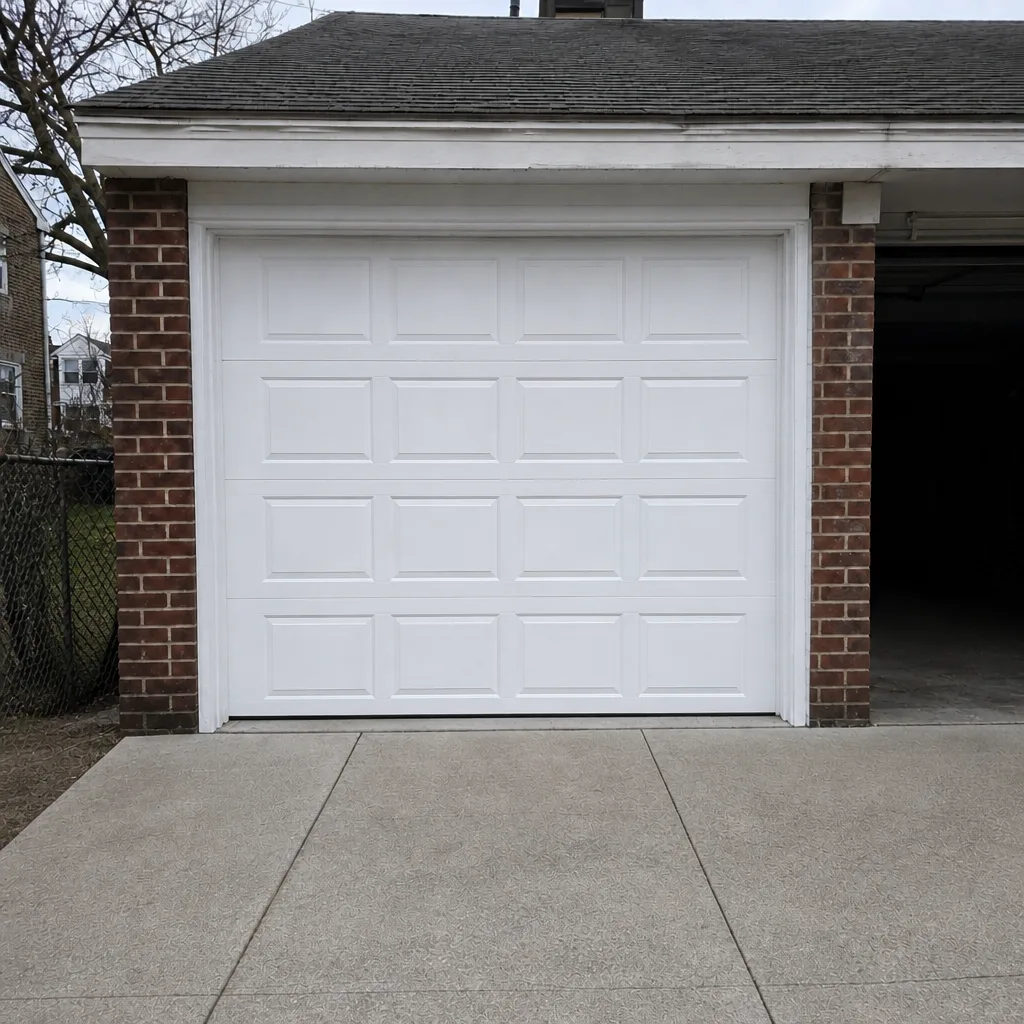 After
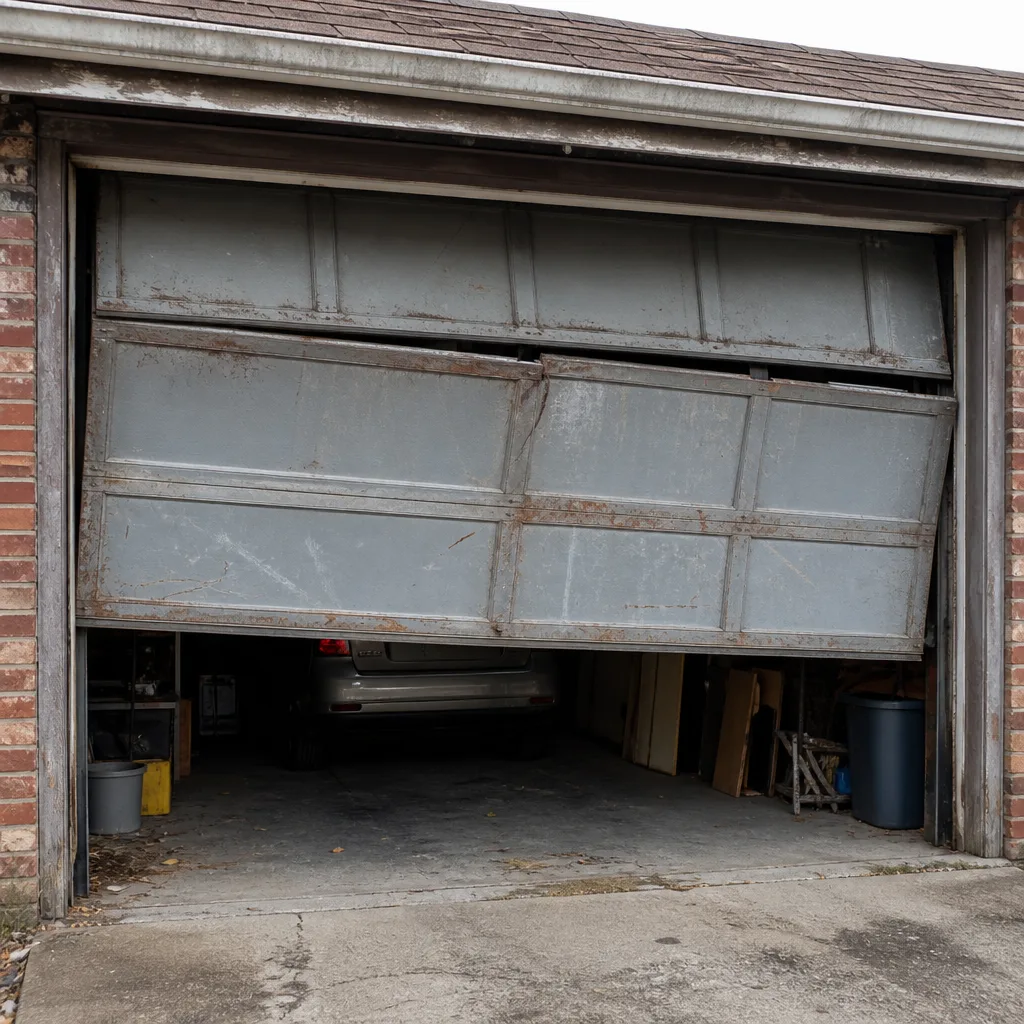 Before
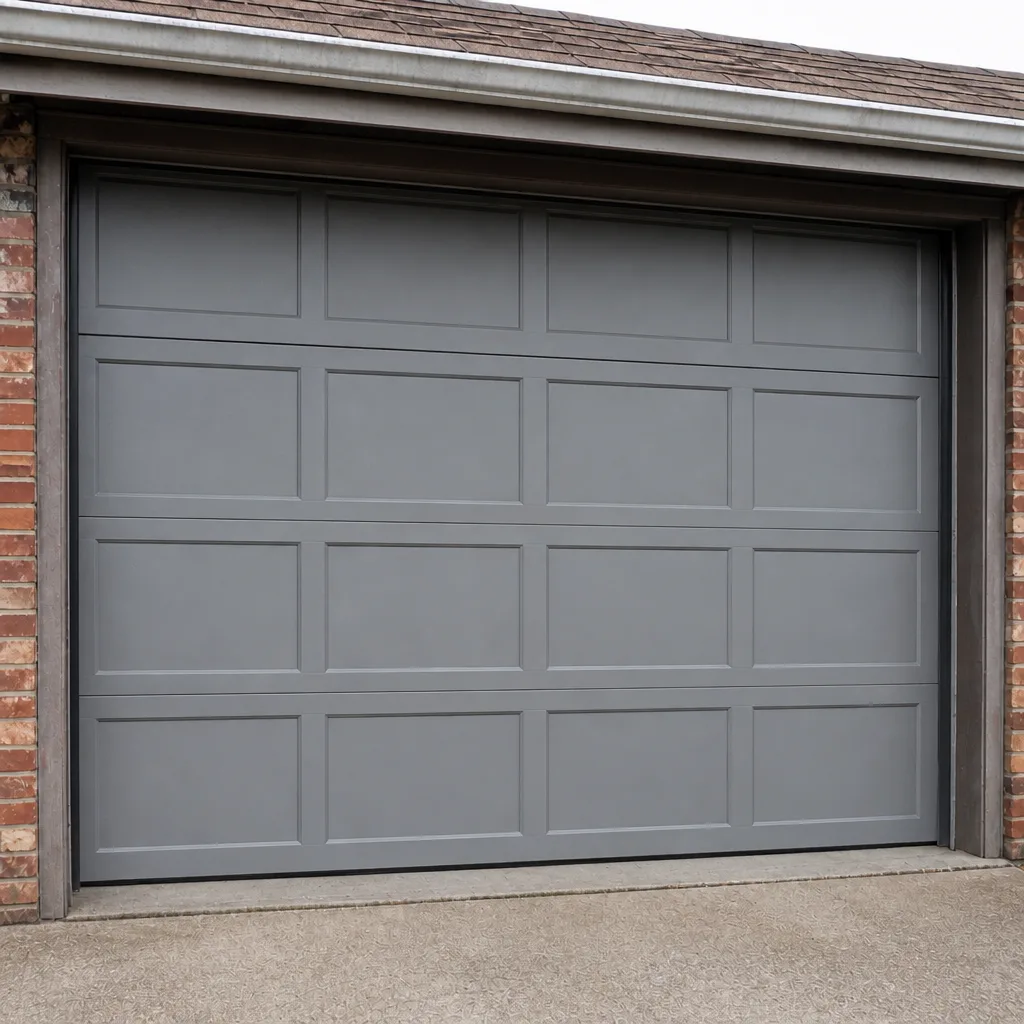 After
When to Call a Professional
Most seasonal care is a homeowner task. Some of it isn’t. Call a professional when any of these is true: the balance test fails and the door drops or climbs on its own; the door has become hard to lift by hand; you see visible spring fatigue, a stretched spring, or hear a loud bang; the door is binding in summer heat and the opener is straining; the safety reverse doesn’t work; the track is visibly bent or out of alignment; or your door is a heavier wood model and the seal replacement is beyond what you want to tackle.
For those calls, Garage Door Repair Holmesburg offers free estimates in Holmesburg – call (833) 509-3024 to get one scheduled. We’ll tell you whether the fix is a repair or a replacement, and we’ll do the work only with the written quote agreed first.
Frequently Asked Questions
Do the balance test once a month and run the full post-winter inspection sequence in April or May. The late-February and July-August windows are when Holmesburg’s weather does the most damage, so plan an extra check after each of those. If you hear a new noise or the door starts to bind, check it immediately rather than waiting for the next scheduled inspection.
Late February in Holmesburg brings rapid temperature swings that contract springs and shift tracks, and that combination makes the door harder to lift. A door that suddenly needs more effort or that feels heavy in the middle of the open cycle is telling you the springs are losing tension. Don’t force it with the opener; book a repair and have it diagnosed.
Do it in both April and October. Spring is when the winter wear shows up and lubrication prevents binding; fall is when you want the moving parts prepared for the cold. Avoid lubricating the tracks, because grease attracts grit and causes the very binding you’re trying to prevent.
Typical repairs in the Holmesburg area fall in a $150 to $450 range depending on the part and the work involved, with spring repairs toward the higher end because they’re a safety-critical job. Prices are estimates; the written quote is what sets the final price, so call (833) 509-3024 for an exact quote – estimates are free.
Emergency garage door service is a real option, not an upsell, and a stuck door that blocks a car in or out is exactly the case for it. Call us and we’ll tell you what we can do. Many spring and opener failures are handled the same day when the call comes in.
The local pros we connect you with are licensed and insured as their state requires, and they work on the major brands – LiftMaster, Chamberlain, Genie, Clopay, Amarr, Wayne Dalton, Craftsman, and Raynor. If you have a question about the credentials for a specific job, ask when you call. Call (833) 509-3024 to get started.
The Bottom Line
Holmesburg’s garage door calendar isn’t organized by season. It’s organized by weather events: the late-February freeze-thaw, the April post-winter recovery, the July humidity peak, and the October sealing window. Each one stresses a different part of the door. A monthly balance test catches most developing problems before they become emergency calls. Torsion springs, track alignment, and anything safety-critical should go to a specialist, and a free estimate tells you whether a repair or a replacement makes sense.
Call Garage Door Repair Holmesburg at (833) 509-3024 for a free estimate. Whether it’s a seasonal check, a spring that needs attention, or a door that’s ready for replacement, we’ll give you a straight answer and a written price before any work starts.
Written by the team at Garage Door Repair Holmesburg.