Last updated November 21, 2026
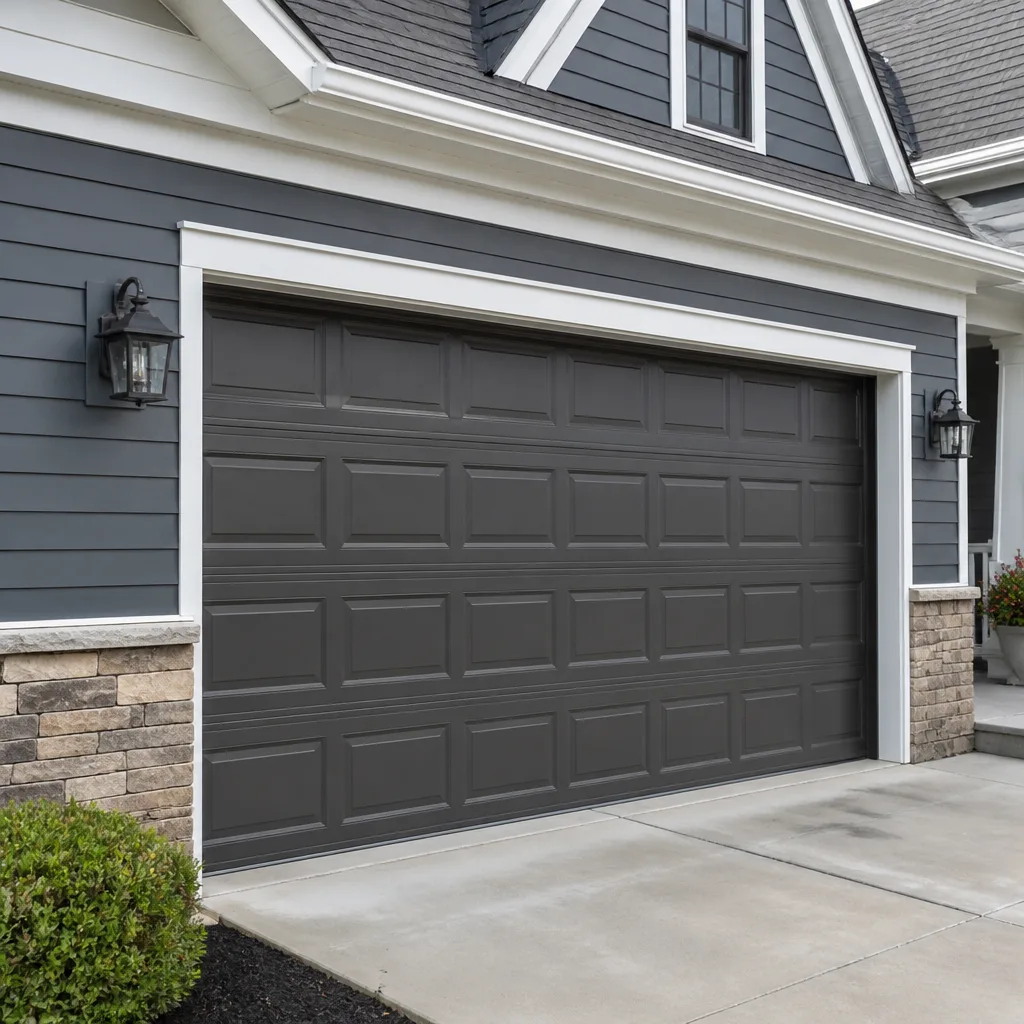 Raised-panel steel
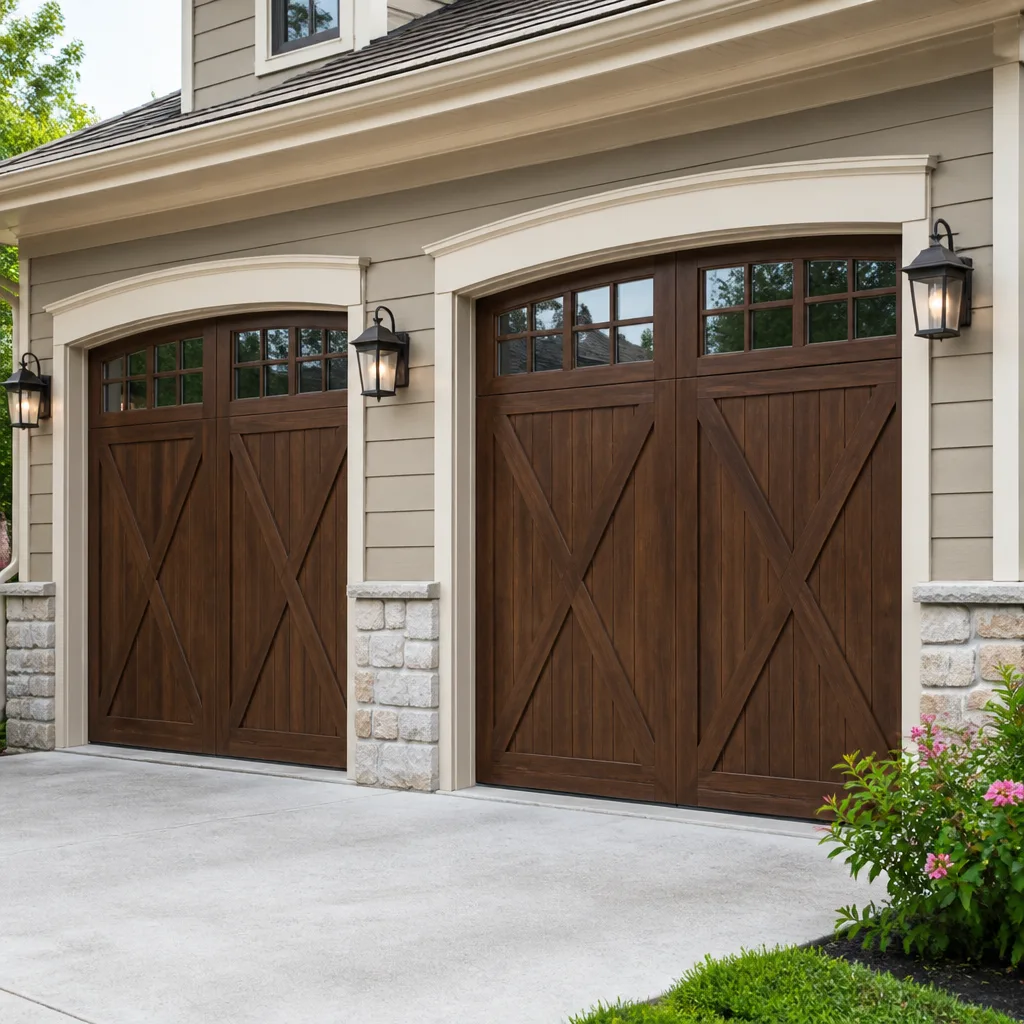 Carriage house
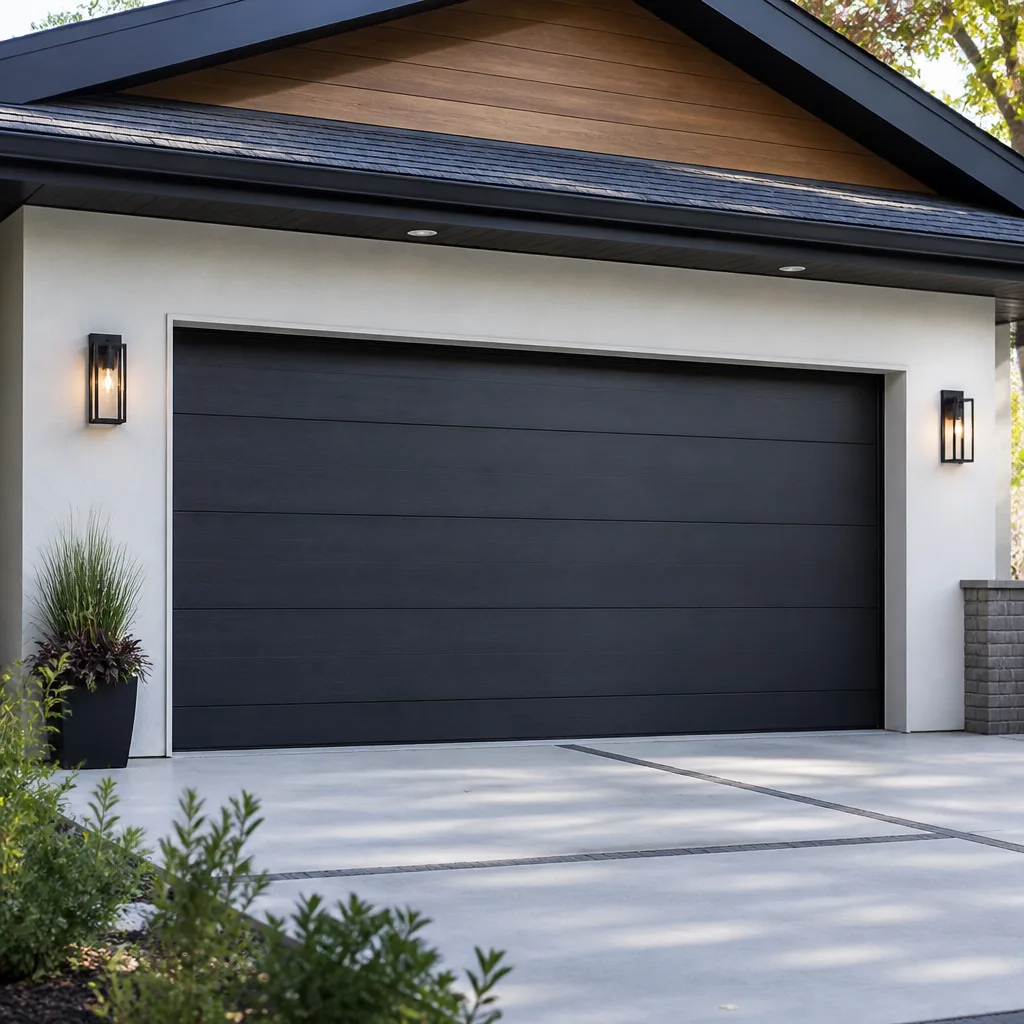 Modern flush
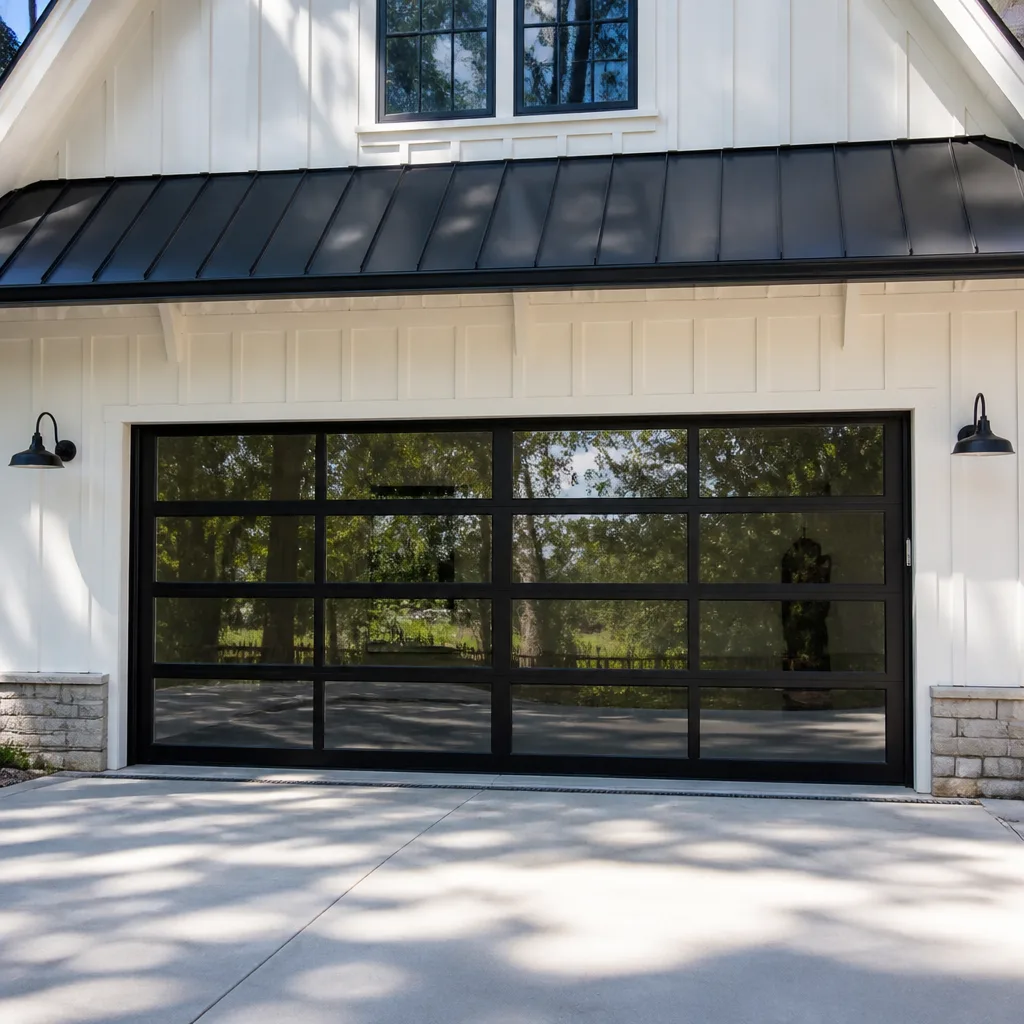 Full-view glass
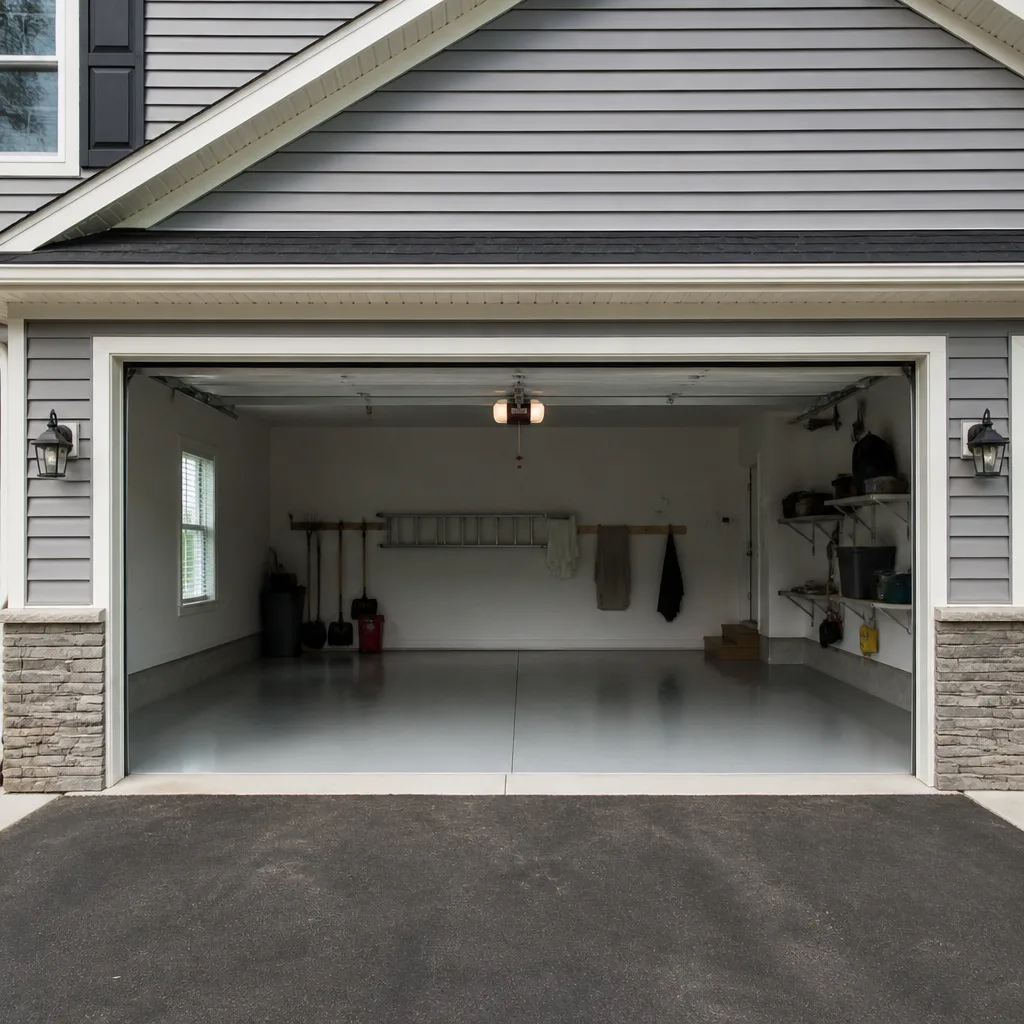 LiftMaster openers
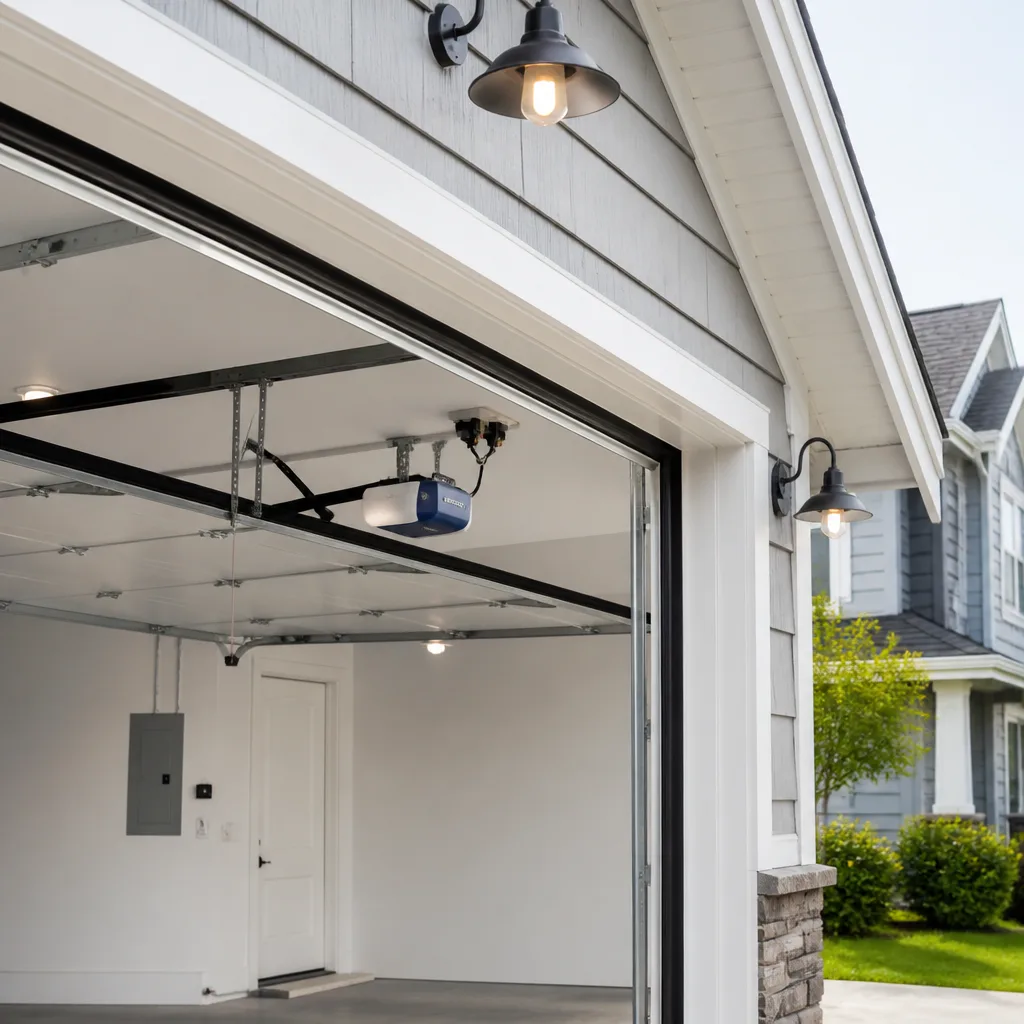 Chamberlain openers
Full 25-point door and opener safety check with every visit - springs, cables, rollers, tracks, and your LiftMaster or Chamberlain opener included
You get a price before we start. It does not change when the pro arrives.
Get your free estimateDIY vs Professional Garage Door: The Holmesburg Homeowner’s Decision Guide
Most DIY versus professional garage door advice starts with money. That framing misses the real question. A garage door is the largest moving object in your house, and the parts that fail most often store enough energy to hurt you badly. So the honest way to decide what to tackle yourself and what to hand off isn’t “how much will I save?” It’s “what happens if this goes wrong?” That’s what this guide is built around: a task-by-task read on risk, not a blanket rule. You’ll learn which fixes are genuinely homeowner-safe, which carry real injury or liability stakes, how warranties and insurance respond to owner-modified doors, and how to prep so a technician spends less billable time on your Holmesburg garage.
Quick Answer
On a garage door, DIY is smart for low-risk tasks like weatherstripping, lubricating moving parts, and aligning safety sensors. It is not smart for springs, cables, high-tension hardware, or track replacement, where a mistake can cause serious injury and may complicate your homeowner’s coverage. For anything involving stored tension or the drive system, call a specialist, and call Garage Door Repair Holmesburg at (833) 509-3024 for a free estimate.
Styles & brands we work with
- Raised-panel steel
- Carriage house
- Modern flush
- Full-view glass
- LiftMaster openers
- Chamberlain openers
Table of Contents
- The Task-by-Task Risk Matrix
- Why Springs and Cables Are a Different Category
- Warranties, Insurance, and DIY Consequences
- What “Saving Money” Actually Looks Like
- The Honest Middle Path: Diagnose Before You Call
- Repair or Replace: Reading the Door Honestly
- Why Holmesburg Doors Age the Way They Do
- When to Call a Professional
The Task-by-Task Risk Matrix
Not all garage door jobs carry the same stakes, and treating them as one category is where homeowners get into trouble. Here’s how we sort common tasks by actual risk, not by how hard they look on video.
Low risk (safe for most homeowners):
- Lubricating hinges, rollers, and tracks – keeps things quiet and reduces wear on the whole system.
- Replacing bottom weatherstripping – a straightforward job with basic hand tools.
- Aligning or cleaning photo-eye safety sensors – often a two-minute fix when the door reverses for no reason.
- Tightening exposed bolts on hinges and brackets – low-torque work, low consequence.
- Testing the auto-reverse function – important, and entirely safe to do yourself.
- Replacing opener batteries and light bulbs – routine and harmless.
High risk (trained professional required):
- Torsion and extension springs – stored energy that can release violently if handled incorrectly.
- Cables and drums – under continuous tension and load-bearing.
- Track replacement or realignment – a misaligned track can twist or drop a door section.
- Opener drive-system repair or replacement – includes the drive gear, logic board, and force settings.
- Panel replacement on a spring-loaded door – the load must be relieved first, which is a job in itself.
- Adjusting spring tension to balance the door – genuinely dangerous and easy to get wrong.
Read that list and you’ll notice something: the safe tasks are mostly maintenance, and the risky tasks are mostly repairs. That split is the whole decision in one sentence. For the maintenance items, staying hands-on pays off. For the repairs, the risk level changes who should hold the wrench. When a low-risk task reveals a higher-stakes problem underneath, that’s when to reach for garage door repair rather than a bigger DIY attempt.
Why Springs and Cables Are a Different Category
A torsion spring holds the weight of the entire door in tension. When it fails or is released incorrectly, that energy goes somewhere, and “somewhere” is not in your favor. There is no careful-video version of spring work. There’s only training, the right winding bars, and knowing how the system behaves before you touch it.
This is the single most important thing to understand about the DIY-versus-pro question: spring work isn’t a slightly harder version of a normal fix. It’s a different category of task. We handle springs for a living, and it’s still the part of the job that demands the most caution and the most training. Our technicians have up to 9 years of experience, and spring work still gets treated with the respect it deserves.
What you should do instead of a DIY spring repair:
- Stop using the door. Don’t cycle it, don’t try to force it, and keep cars clear.
- Note the symptom. A loud bang followed by a door that won’t open, a gap in the spring, or a door that feels impossibly heavy are all spring-failure signs.
- Check whether it’s one spring or a pair. Matched pairs are usually replaced together, and a pair costs about twice a single spring.
- Call a specialist. Spring repair done safely, with the right tools, is not a shortcut anyone should try to take.
Cables follow the same logic. They run under load against spring tension, and a frayed or snapped cable means the door is no longer safely supported. If you see a loose cable hanging, don’t tug it to see whether it’s still attached. That’s the moment to call. Our specialist focus on springs and cables is exactly why a general handyman isn’t the right call here – the training and the tools are specific to this work, and few generalists carry them.
Warranties, Insurance, and DIY Consequences
This is the part most homeowners miss. The risk of DIY garage door work isn’t only physical. It’s financial and legal down the line, and it shows up when you least want a surprise.
Warranty consequences
Most opener manufacturers void their warranty on the drive system when a non-authorized person services it. That means if you’re troubleshooting a Genie or Chamberlain opener and you open the motor housing or swap the drive gear yourself, the warranty on the very component you’re working on can be gone. Garage door components carry manufacturer warranties too, and improper installation or modification can affect those. This isn’t a scare tactic. It’s a contract term, and it’s worth reading before you reach for a screwdriver.
Insurance consequences in Philadelphia
Owner-modified garage door work that leads to property damage may not be covered by standard homeowner’s insurance in Philadelphia if the damage is deemed a direct result of the owner’s modifications. That’s a general exposure to understand, not a loophole to gamble on. If a DIY adjustment lets a door fall or drives a panel into a wall, the insurer’s first question will be who did the work. For high-risk repair, having a trained professional do it is the cleaner position, for both you and your claim.
The low-risk counterpoint
None of this argues against doing the genuinely safe tasks. Lubrication, sensor alignment, and weatherstripping don’t touch the drive system or the tension, and they don’t create a warranty or insurance problem. The line is tension and electronics. Work on either without training and you’re taking on a consequence that isn’t worth the saved labor. When an opener problem turns out to be more than a battery or a sensor, garage door opener repair is the right specialist route, and it protects the warranty you already have.
What “Saving Money” Actually Looks Like
The savings figure on a DIY video is a fantasy number. It’s the cost of the part, minus the labor you didn’t pay for. The real math includes tools, time, and the odds you’ll have to call someone anyway.
- Tools you don’t own. Spring work needs winding bars and a proper bar set. Opener work may need a meter and specific tools. Those costs count against any DIY saving.
- Time. A task you’ve never done takes two to three times as long as the video suggests, and some jobs take longer still when you stop to figure out what’s actually wrong.
- The callback problem. If a first attempt doesn’t fix it, you’ve often paid for a part and a service call. On a fixed-price repair, that’s money you didn’t need to spend.
- Damage risk. A mis-tensioned spring or a dropped door panel can cost more than the original repair. That’s the risk hiding behind the DIY total.
- Warranty loss. A voided warranty on a component can turn a small fix into a full replacement later.
Where DIY genuinely wins is on maintenance and small maintenance-adjacent fixes: weatherstripping, lubrication, sensor cleaning, and simple hardware tightening. Those cost almost nothing in tools, take little time, and carry no warranty or safety exposure. For everything in the high-risk category, the honest savings calculation favors a professional because the failure cost is high and the labor saving is small by comparison. Because pricing is quoted and agreed before any work starts, you’re also not guessing at the number after the fact. Every estimate is written, and the written estimate sets the final price.
If your door is old enough that a repair might not be the right spend at all, that’s a different question, and we’ll tell you honestly which option makes sense. When replacement is the answer, garage door installation is where a specialist measures, orders correctly, and fits the new door to the opening.
The Honest Middle Path: Diagnose Before You Call
There’s a third option between full DIY and calling blind. You can do the safe diagnostic steps yourself, so the technician spends less time tracking down the symptom and more time fixing it. None of this touches tension or the drive system, and it can trim the billable time on your call.
- Note exactly what the door does. Does it open partway and stop? Reverse immediately? Only fail when it’s cold, or only at closing? Specific symptoms speed up diagnosis.
- Test the safety sensors. Check that both photo-eyes are lit, clean, and aligned. Unobstructed sensors solve a large share of “door won’t close” calls.
- Try the manual release. Pull the red release handle, and only with the door fully closed if you can, to see whether the door moves freely by hand. If it’s far too heavy to lift by hand, don’t fight it – that’s a spring symptom.
- Check the power. Look for a tripped breaker or unplugged opener before assuming a motor failure. Before diagnosing the opener, always disconnect the power at the breaker.
- Note the brand and model. Tell the technician whether it’s a Chamberlain, LiftMaster, Genie, or another system. Working from the correct manufacturer’s diagram saves diagnostic time.
- Write down the history. When the problem started, what changed, and whether anything was recently repaired. Detail shortens the visit.
A word of caution on diagnosis: the safe steps stop where stored tension begins. Don’t release the door and let it slam, don’t remove spring hardware, and don’t open the opener housing to look around. The full-time specialist route is Garage Door Repair Holmesburg, and calling with a clear symptom list is what gets you a straight answer fast. This is also where phone diagnosis can help: describing the behavior often tells us whether it’s a spring, a sensor, or the opener before we arrive.
Repair or Replace: Reading the Door Honestly
Sometimes the answer isn’t DIY versus professional at all. It’s whether the door is worth repairing. Here’s how to read that question, and where a specialist can tell you plainly which choice makes sense.
Lean toward repair when:
- The door structure is sound and the problem is one failed component.
- The opener works and the issue is in the door hardware.
- The panels are straight and the tracks are true.
- You like the door and the failure is repairable.
Lean toward replacement when:
- Multiple springs, cables, or panels have failed at once.
- The track is bent or the door binds even after adjustment.
- The opener is at the end of its life and the door hardware has aged with it.
- The door is repeatedly needing the same fix.
We work on Clopay and Amarr doors regularly, among others, and we’ll tell you which front door – repair or replace – actually makes sense for your situation. There’s no pressure to sell a new door when a fix is the right call, and no point in patching a door that’s past saving. Either way, you’re working with a company that handles the full lifecycle, so you don’t need a second contractor if a repair turns into a new door. That continuity matters because the technician measuring for a replacement is the same specialist who’s been inside your door’s mechanics.
Why Holmesburg Doors Age the Way They Do
Garage doors here live through seasons that push them harder than the rest of the country. Summers in Holmesburg bring heat and humidity. That swings the expansion and contraction of metal components and door panels, and it loosens hardware over time. Winter brings the opposite – cold that stiffens lubricants and contracts the metal – so a door that ran quietly in summer can suddenly groan or bind. That summer-to-winter swing is why lubrication and hardware checks matter more here than a maintenance chart suggests.
The housing stock matters too. Homes throughout Holmesburg, from the rowhouse blocks near Pennypack Park to the quieter residential streets on the neighborhood’s edge, have garages of many ages and door types. Some carry older, heavier doors that put more load on springs and openers. Some have been through multiple repairs by different hands. When we look at a door in Holmesburg, part of the job is working out the door’s history to see what earlier work is still holding up – and that’s an honest inspection, not a sales pitch.
One local point worth knowing: garage door installation and structural changes may require a permit in Philadelphia. We don’t quote code requirements as fact, because they can change and they depend on the specific job. If your project involves structural changes or a new opening, ask the city’s building department before the work begins.
Common Mistakes to Avoid
- Releasing tension without a plan. Pulling a manual release on a door with a broken spring and letting it slam can bend panels and injure hands. Know the door’s state before you pull that handle.
- Treating a spring repair as a weekend project. It isn’t a weekend project. It’s the highest-risk repair on the whole door, and a video makes it look easier than the tools and the physics allow.
- Opening the opener housing for a drive problem. That’s the fastest way to void the drive-system warranty on a Genie or Chamberlain unit. Diagnose what you can from outside the housing and let a specialist open it.
- Ignoring a frayed cable until the door drops. A cable is a load-bearing part. Loose or frayed means the door isn’t fully supported, and the fix shouldn’t wait.
- Buying parts before a diagnosis. Many homeowners in Holmesburg replace a sensor or a garage door opener before confirming what failed. The right repair is cheaper than the wrong part plus the right repair.
- Assuming insurance will cover a DIY failure. Owner-modified work that causes damage may not be covered in Philadelphia. Ask your insurer before assuming a claim will pay out.
- Skipping lubrication because the door still works. Lubrication is the cheapest thing you can do for the door, and it reduces wear on springs, hinges, and rollers that you’d otherwise have to repair.
See the difference
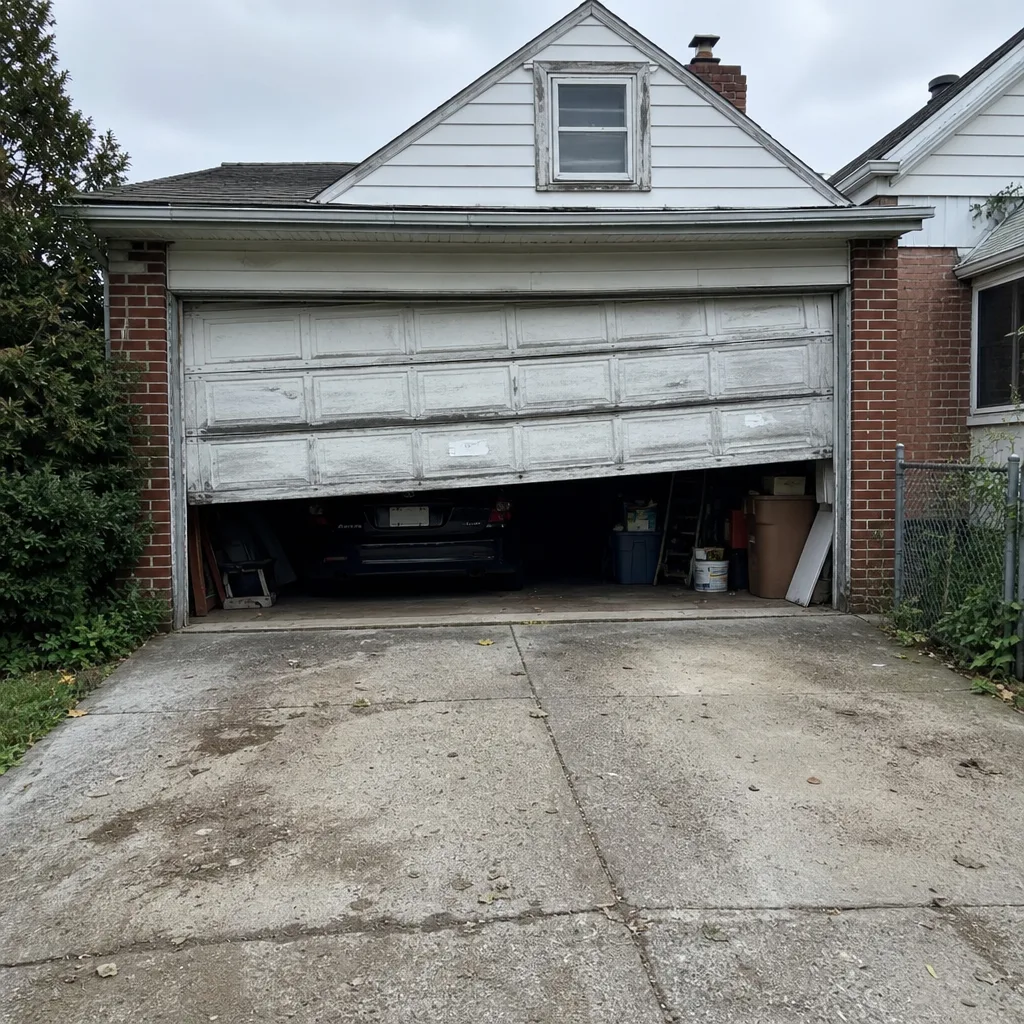 Before
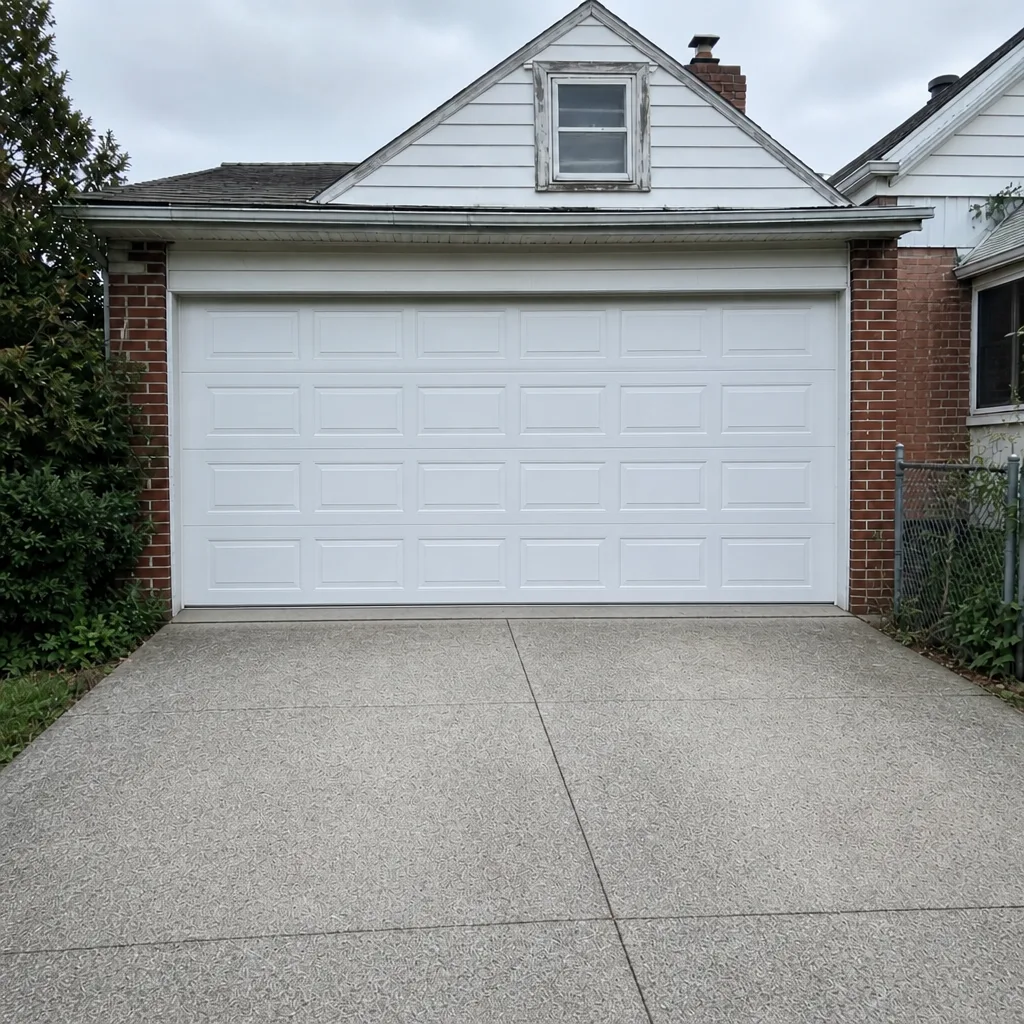 After
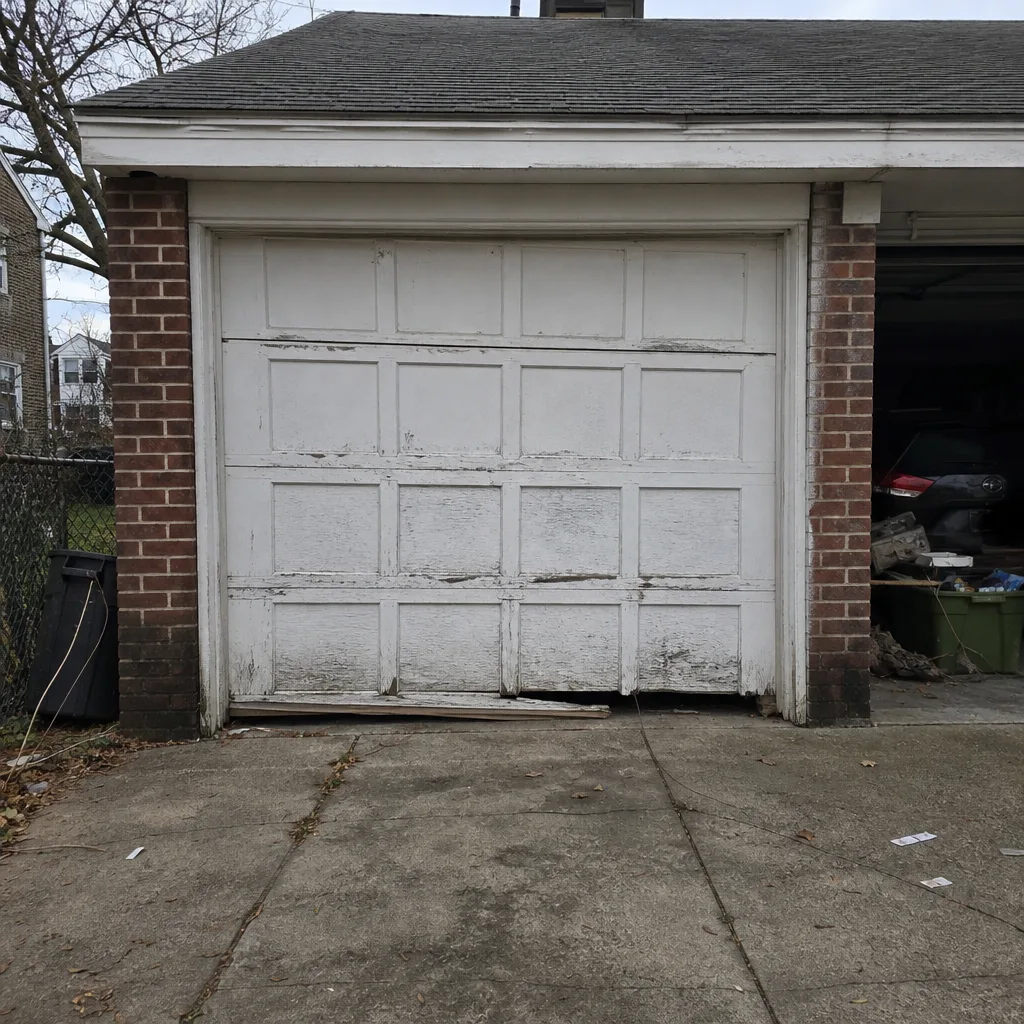 Before
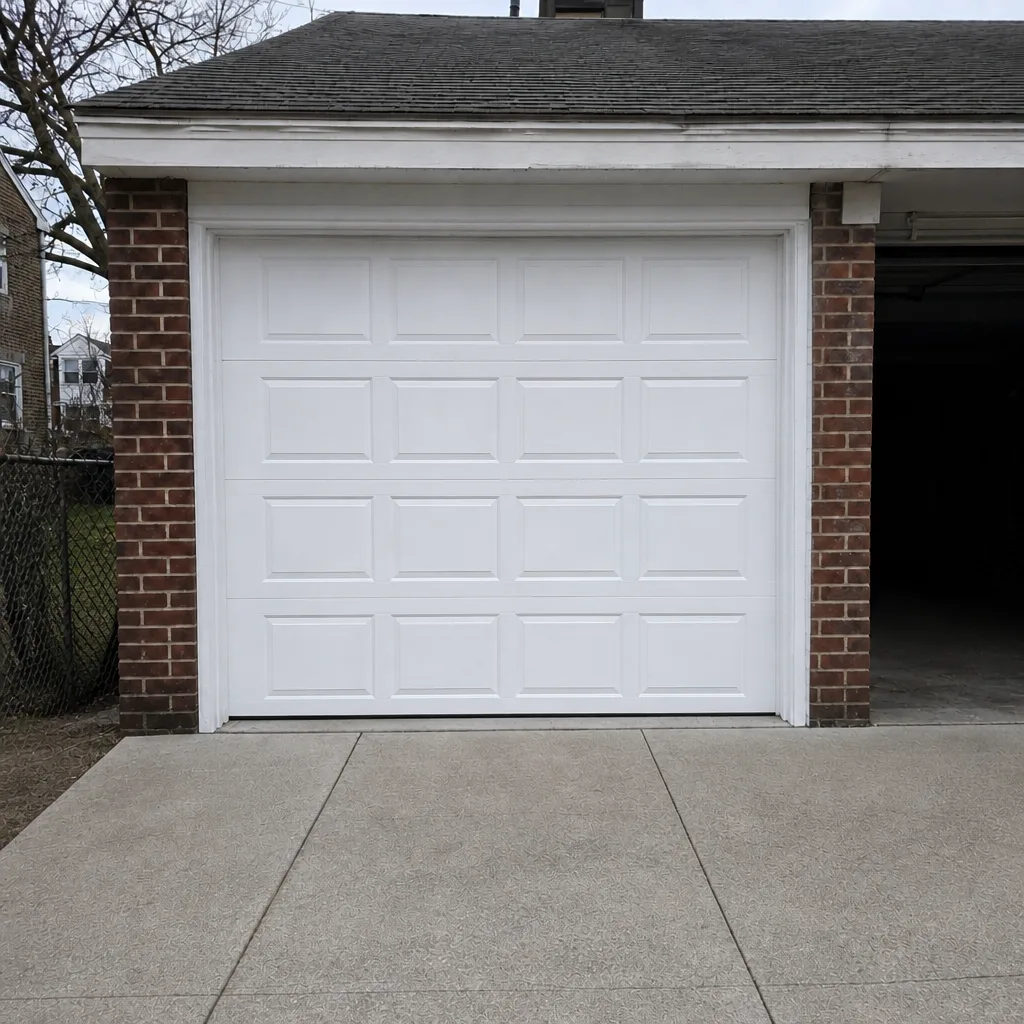 After
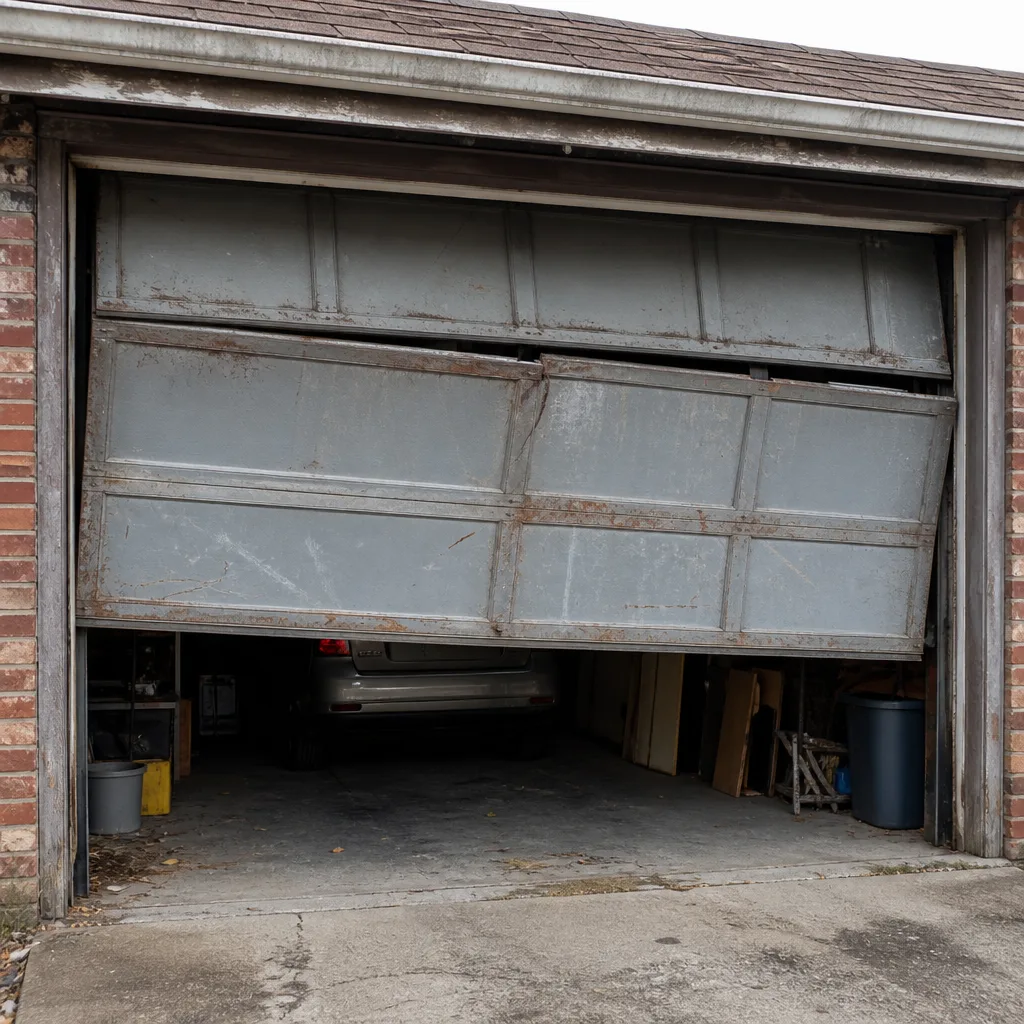 Before
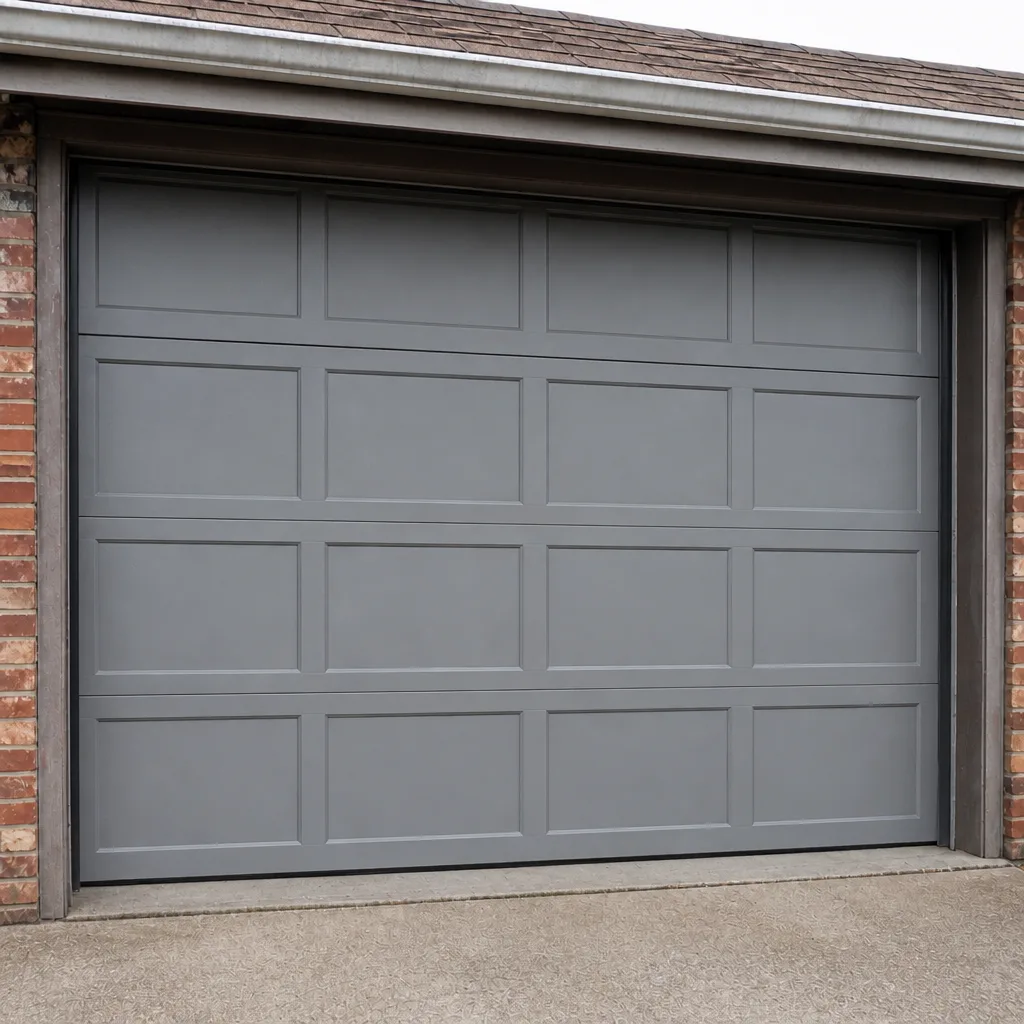 After
When to Call a Professional
Call a professional for any symptom that involves stored tension, the drive system, or a door that’s become unsafe to operate. That means a loud bang and a door that won’t lift, a door that hangs partway and won’t move, visible gaps in a spring, cables that are loose or hanging, tracks that are bent, a door that reverses for no reason after sensor checks, an opener that hums without moving the door, or a panel that is cracked or coming loose. If the door is jammed and blocking a car, that’s an emergency call, not a wait-and-see. Spring and opener failures tend to happen when you’re already heading out, and we treat them as time-sensitive because a stuck door blocks the day.
Garage Door Repair Holmesburg offers free estimates in Holmesburg – call (833) 509-3024. Our technicians have up to 9 years of experience, and we work on LiftMaster, Chamberlain, Genie, Clopay, Amarr, Wayne Dalton, Craftsman, and Raynor systems specifically. The local pro we connect you with is licensed and insured as the state requires, and every price is quoted and agreed before any work starts.
Frequently Asked Questions
No. Garage door springs hold the weight of the entire door in stored tension, and releasing or installing them incorrectly can cause serious injury or death. This is the highest-risk repair in the trade, and even trained technicians handle it with specialized tools and a strict procedure. Call (833) 509-3024 for a free estimate instead.
The safe tasks are weatherstripping, lubricating hinges and rollers, aligning and cleaning safety sensors, tightening low-torque bolts, and testing the auto-reverse function. All of these avoid tension and the drive system. Anything involving springs, cables, tracks, or the opener’s internals is a professional job. When sensors or a small fix don’t resolve the issue, call for a diagnosis.
Most opener manufacturers void the drive-system warranty if a non-authorized person services it. That includes opening the motor housing or swapping drive components yourself. Reading your warranty terms before touching the opener is worth the five minutes. For anything inside the housing, call (833) 509-3024 and let a specialist handle it.
Not necessarily. Improper garage door work that leads to property damage may not be covered by standard homeowner’s insurance in Philadelphia if the damage is deemed a direct result of owner-modified work. The safer position is to have high-risk repairs done by a trained professional. Ask your insurer about your specific policy, and call us for the repair itself.
A single spring repair typically runs in a few-hundred-dollar range depending on the spring type and door, and a matched pair costs about twice a single spring since pairs are usually replaced together. We can’t give you a final number without seeing the door, but every estimate is written and the written estimate sets the final price. Call (833) 509-3024 for a free estimate.
Check the safety sensors, confirm the opener has power, note the exact symptom and when it happens, and record the door and opener brand. Write it down. A clear symptom list shortens diagnostic time, and that can shorten the billable time on the call. Our technicians have up to 9 years of experience, so a good description usually points us in the right direction before we arrive.
In many cases, yes – emergency service is a core offering, not an add-on, because a stuck door blocks the car. Call (833) 509-3024 and describe the problem so we can get you the right help. For repair and emergency calls, same-day service is often available; for new installation or replacement, that work is measured, ordered, and scheduled.
We do. We work on those brands specifically – LiftMaster, Chamberlain, Genie, Clopay, Amarr, Wayne Dalton, Craftsman, and Raynor – because each system has its own components and logic, and generic workarounds don’t cut it. Call (833) 509-3024 for a free estimate on any of them.
The Bottom Line
The DIY versus professional question is a risk question, not a money question. Handle the low-risk maintenance yourself: weatherstripping, lubrication, sensor alignment, and routine checks. Hand off anything that involves stored tension, the drive system, or structural hardware – springs, cables, tracks, and opener internals – to a trained professional. Your time is better spent diagnosing the symptom than fighting a spring. We’ve seen enough Holmesburg doors to know that a good repair done once costs less than a DIY attempt done twice. If you’re not sure which category a job falls into, call Garage Door Repair Holmesburg at (833) 509-3024 for a free estimate and an honest answer. If it’s a garage door problem, it’s the only kind of problem we solve.
Written by the team at Garage Door Repair Holmesburg.