Last updated November 21, 2026
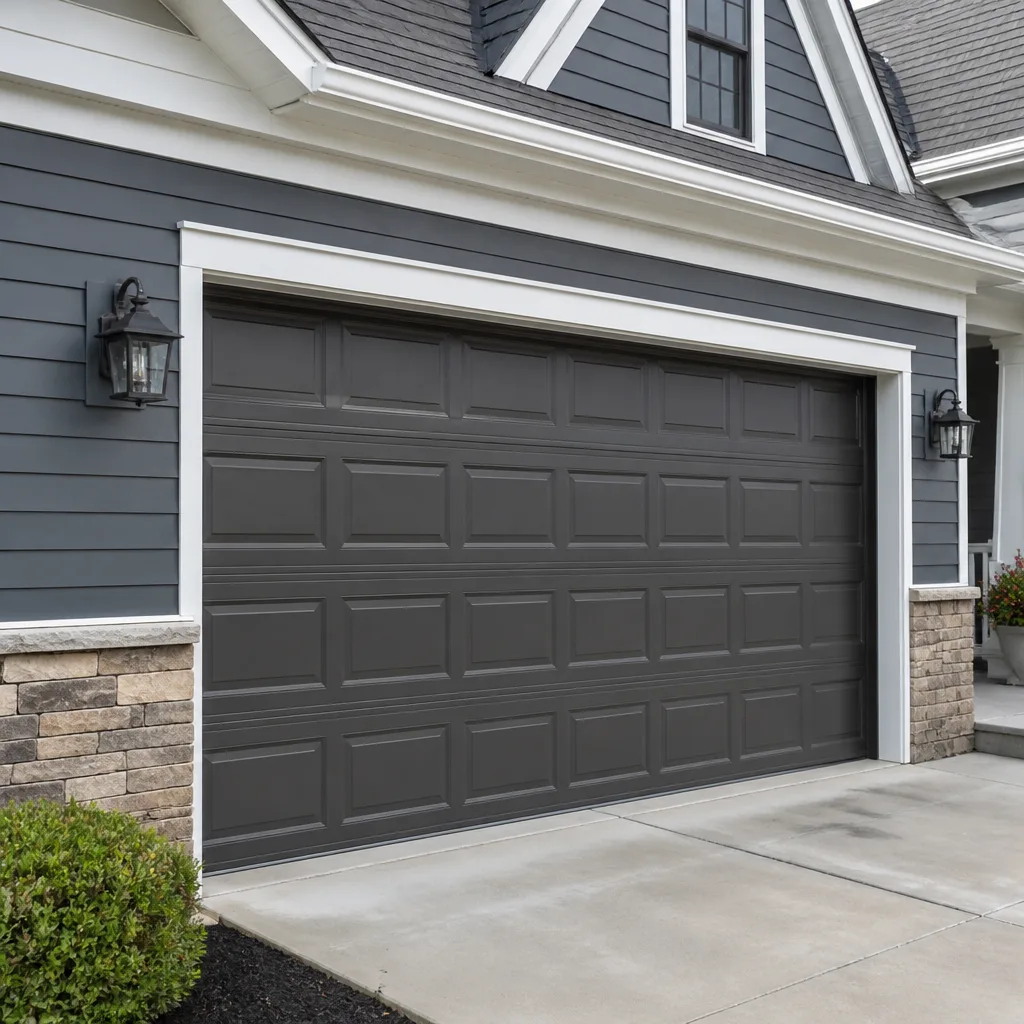 Raised-panel steel
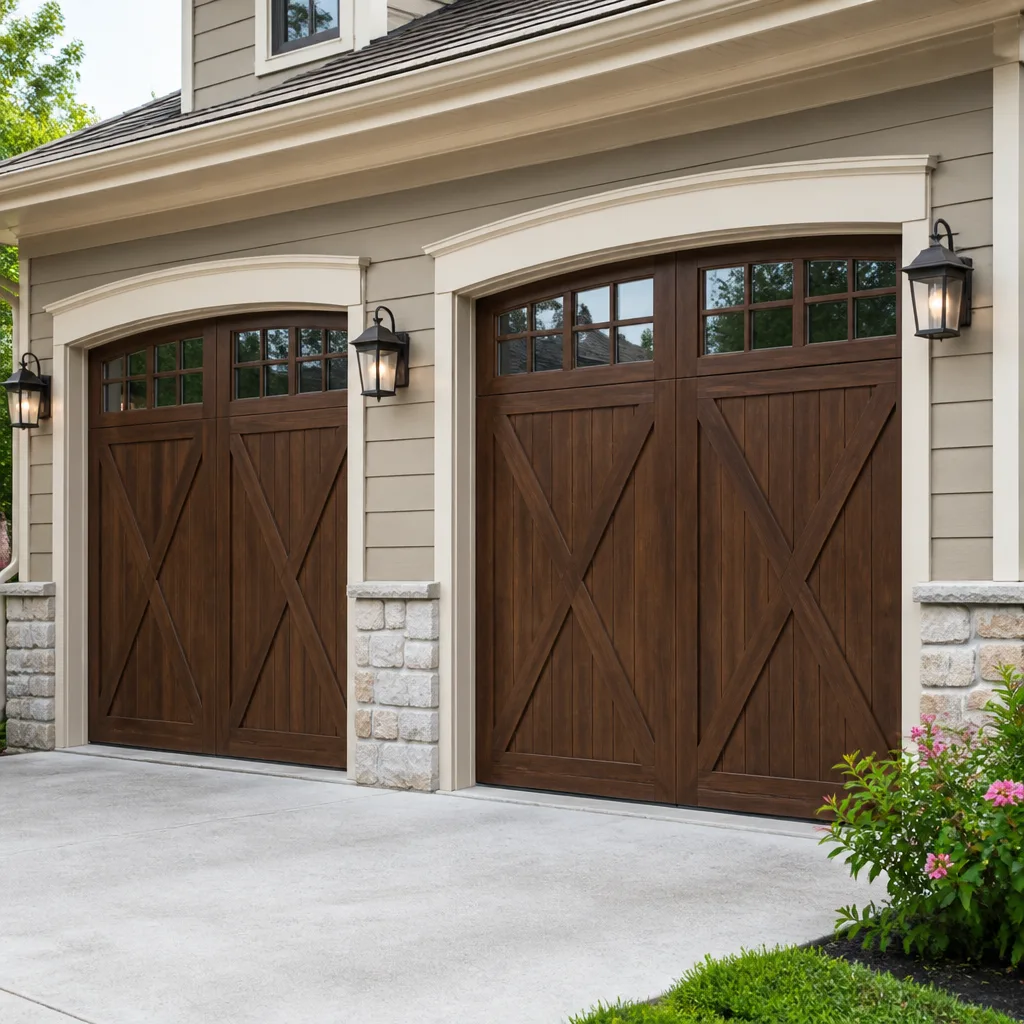 Carriage house
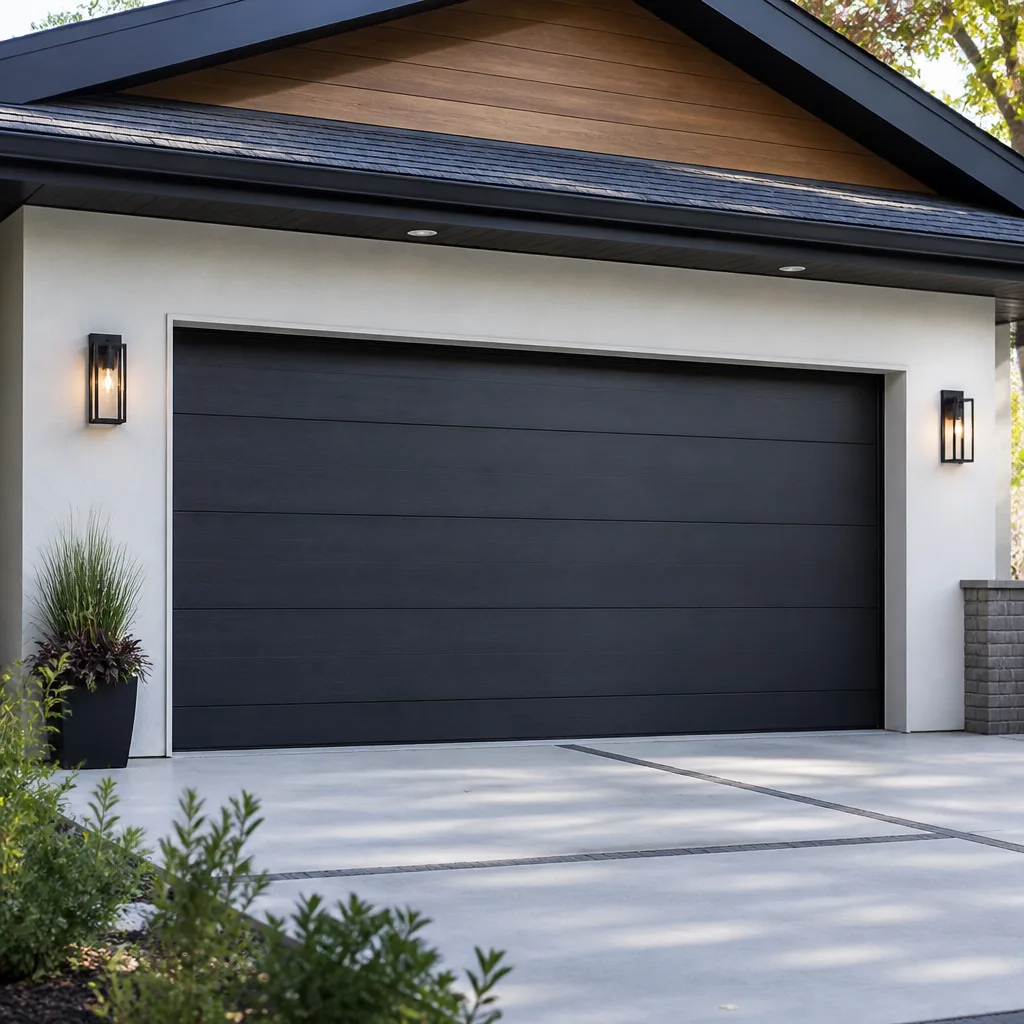 Modern flush
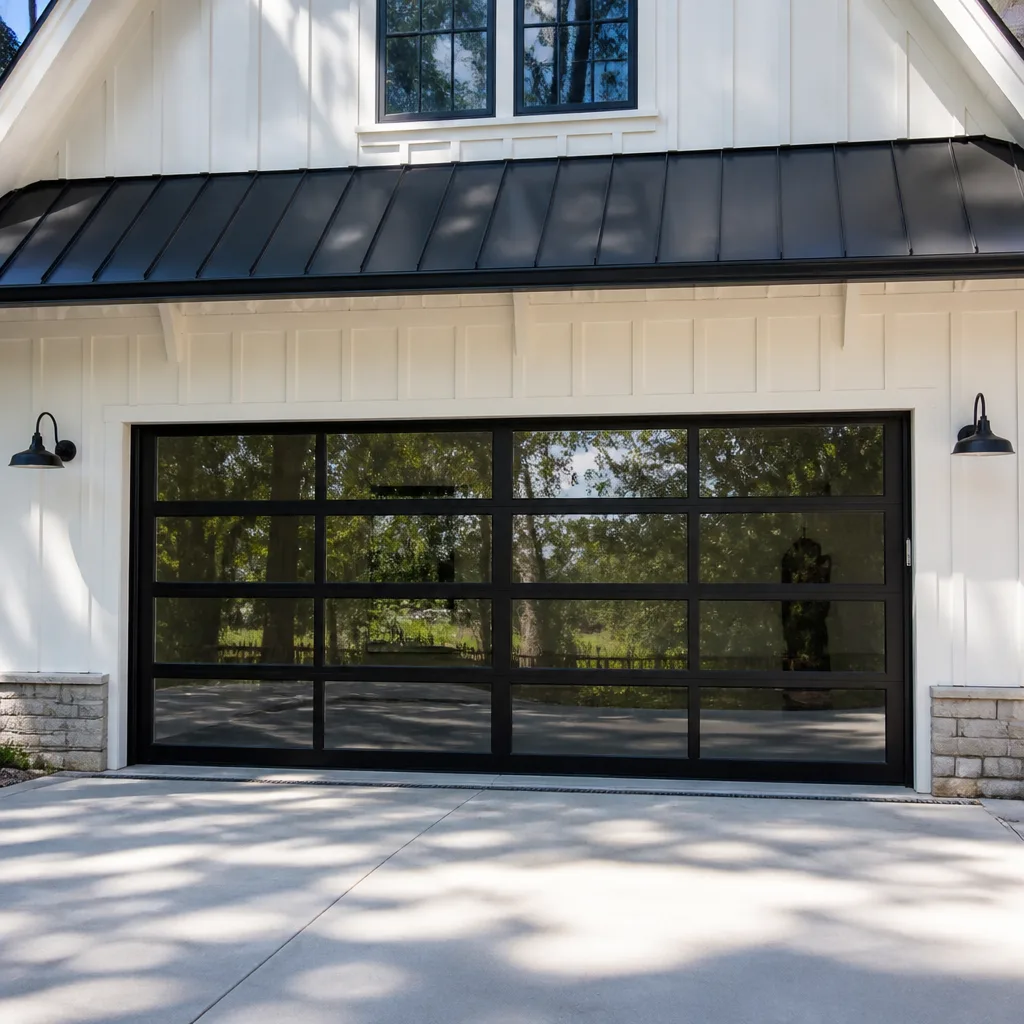 Full-view glass
 LiftMaster openers
 Chamberlain openers
Full 25-point door and opener safety check with every visit - springs, cables, rollers, tracks, and your LiftMaster or Chamberlain opener included
You get a price before we start. It does not change when the pro arrives.
Get your free estimateGarage Door Emergency Preparedness Guide for Holmesburg Homes
The moment your garage door won’t move is exactly when you find out whether you know where the manual release cord is, and whether your car’s bumper is six inches from the door track. Most Holmesburg homeowners assume an emergency means one thing: a snapped spring. In practice, the response changes completely depending on whether the door is stuck down with your car trapped inside, stuck up and leaving your tools and bikes exposed to the street, or sitting crooked after a cable let go. Getting the first five minutes right is what keeps a bad afternoon from turning into a damaged door, a bent track, or a security gap that lasts all night. This guide walks through each scenario, the correct way to use the emergency release, how to secure an open door overnight, and the three quick checks worth doing today.
Quick Answer
A garage door emergency in Holmesburg almost always falls into one of six categories: broken spring with the door down, broken spring with the door up, opener failure, power outage, snapped cable, or a door off its track. Each needs a different first move, and only the power outage is ever safe to work around on your own. When in doubt, keep everyone clear of the door, don’t force anything, and call (833) 509-3024.
Styles & brands we work with
- Raised-panel steel
- Carriage house
- Modern flush
- Full-view glass
- LiftMaster openers
- Chamberlain openers
Table of Contents
- The Six Garage Door Emergencies (and What to Do First for Each)
- Using the Emergency Manual Release Without Making It Worse
- When the Door Is Stuck Open: Securing It Overnight
- What to Have Ready When You Call for Emergency Service
- The Three-Minute Pre-Emergency Checklist
- Repair or Replace? How to Tell Which One Makes Sense
- Why Holmesburg Weather Puts Extra Load on Door Hardware
- Hard Safety Rules We Never Bend
The Six Garage Door Emergencies (and What to Do First for Each)
Not every stuck door is the same problem, and treating them alike is where homeowners get into trouble. Here’s the breakdown we run through on the phone before a technician ever heads out. None of these first steps involve touching the moving parts yourself. They’re about containing the situation so a trained professional can take it from there.
- Broken spring, door down. The door won’t lift because the torsion or extension spring that carries its weight has failed. Do not try to lift it. Even a light-looking door can weigh well over a hundred pounds without spring tension holding it. Leave it closed and call for garage door repair.
- Broken spring, door up. The open door is now being held up by the opener alone, or worse, by nothing. Stay clear and don’t pull the manual release. The door can slam without warning once the release disconnects it from the opener. Keep people and pets away and call.
- Opener failure. The motor runs but the door doesn’t move, or there’s no response at all. If the door is down, this is a functional inconvenience, not a hazard. Check the wall switch and the breaker first, then call for garage door opener repair.
- Power outage. The door is shut and the opener is dead. Use the manual release, but carefully, and only if the door is fully closed and the springs are intact. Reclose it before the power comes back.
- Snapped cable. A frayed or snapped lift cable often means the door is hanging crooked or sagging at one corner. Do not operate it, even manually. Cables are under extreme tension and can whip if released wrong.
- Door off-track. The door has jumped a roller or the track has bent. Do not cycle the opener. A door off its track can fall or tear the panels and the track itself. Leave it and call.
In every one of these cases, the first move is the same: keep everyone clear, don’t cycle the opener, don’t force the door. The second move is calling someone who works on garage doors exclusively, so the right parts show up on the first visit.
Using the Emergency Manual Release Without Making It Worse
The manual release cord is the one feature most homeowners have never actually used, and using it wrong on a door with a broken spring can drop the door fast enough to cause serious injury. The release is designed to disconnect the door from the opener’s drive mechanism so you can lift it by hand. It assumes the springs are intact and holding the door’s weight. If a spring has failed, the release doesn’t make the door easier to lift, it makes it free-fall.
Here’s how to think about it:
- Confirm the door is fully closed. A release pulled while the door is partly open changes the load on the springs mid-cycle, which is the wrong time to introduce a variable.
- Stand clear of the door’s path. Never stand under the door when you pull the cord.
- Pull the cord down and away from the door at a slight angle. It should release with a firm pull.
- Lift the door straight up using the bottom handle or the frame, not the panels, and set it fully open before you let go.
- If the door won’t hold itself open after you let go, the springs are the problem, not the release. Reclose it carefully and stop.
If the release is stuck, the door probably isn’t worth forcing. A release that won’t pull usually means the opener carriage is jammed or the door is binding in the track. Call (833) 509-3024 rather than fighting it. Our technicians have up to 9 years of experience with Genie and LiftMaster systems, so a jammed carriage or a misaligned chain isn’t something we’re guessing at.
When the Door Is Stuck Open: Securing It Overnight
A garage door that won’t come down is the scenario a lot of Holmesburg homeowners underestimate. A stuck-down door is inconvenient. A stuck-up door is a security gap: it exposes your tools, bikes, stored paperwork, and any door between the garage and the house. On a night when the forecast turns, it’s also a way for water and wind to find their way inside. Here’s how to make the door reasonably secure until a technician arrives.
- Disconnect the opener first. Pull the manual release so the opener isn’t fighting itself, then move the door down by hand if the springs allow. Only attempt this if the springs are intact and the door moves smoothly.
- Block it if the door still won’t close. Use a couple of heavy duty clamps on the track, or a sturdy barricade inside the door, to keep it from being pushed up further. This deters someone who tests the door from the driveway.
- Light the area. Motion-sensor lights on the driveway and inside the garage are a real deterrent in a dense neighborhood like Holmesburg, where a garage often faces an alley or a shared driveway.
- Move anything valuable out of the garage for the night. Power tools, bikes, and anything visible from the street are worth relocating rather than guarding.
- Lock the service door between the garage and the house if you have one, and keep the interior garage-to-house door locked as a second line.
None of these is a long-term solution. They buy you a safe night. Call for emergency service as soon as the door is contained and you’re ready to book the repair.
What to Have Ready When You Call for Emergency Service
An emergency call goes fastest when the dispatcher knows what the technician is walking into. The most common reason a garage door emergency turns into a two-trip fix is missing information on the first call: the tech arrives, diagnoses a broken spring on a brand they don’t have the right part for, and has to come back. We carry the common parts for the major brands, but knowing which brand you have shortens the call and improves the odds of a one-visit repair.
- Your door’s make and model. Look at the sticker on the inside of the door or frame. Clopay, Amarr, and Wayne Dalton doors each have their own spring and cable configurations.
- Your opener brand. Genie, LiftMaster, Chamberlain, and Craftsman all use different logic boards and safety sensors. If the opener is the problem, the brand tells us which diagnostic approach to take.
- What the door actually did. “It stopped halfway and made a clunking sound” is worth more than “it’s broken”. Describe the last few seconds before the failure.
- Whether a car is trapped inside. If a car is parked on the wrong side of a dead door, tell the dispatcher. That changes the priority and sometimes the approach.
- Whether the door is up or down. This drives the entire on-site sequence and determines whether the first move is containment or lift.
- Whether anyone heard a bang. A snapped torsion spring often sounds like a gunshot or a car backfiring. It’s the single fastest indicator of a spring failure over the phone.
The more accurately you can describe the failure, the sooner the technician can start on the actual fix. Call (833) 509-3024 with this list in hand and the diagnosis starts before the visit.
The Three-Minute Pre-Emergency Checklist
Every garage door emergency is faster and safer to resolve if you’ve done three things before it happens. Do these once, and you’ll be ahead of the curve.
- Locate the manual release cord and practice lifting the door by hand. With the opener disconnected and the door fully open, do you have a handle or frame point you can grip safely? Is there anything blocking the door’s path when you lift it? Five minutes of practice turns a crisis into muscle memory.
- Note your door and opener brands. Write the brand of the door and the brand of the opener on a sticker inside the garage or note it on your phone. Clopay, Amarr, Wayne Dalton, Genie, LiftMaster: knowing which is yours means the right part is more likely to show up on the first trip.
- Test the safety reverse monthly. Put a roll of paper towels on the floor under the door and close it. If the door doesn’t reverse on contact, the safety system has failed and needs a technician. This test takes under a minute and catches the most common opener failure before it strands you.
When you do make a service call, you’ll also want to have a realistic sense of what to expect. Garage door repair in Holmesburg typically comes back with a written estimate before any work begins, and the written estimate is the price. If a repair reveals a door that’s past saving, the conversation shifts to garage door installation, and we’ll walk you through quote ranges for a new door versus a spring and cable job before you commit.
Repair or Replace? How to Tell Which One Makes Sense
Most garage door emergencies are repairable, and a spring, cable, or opener fix usually takes less time than a replacement. But a small number of doors are better replaced than repaired, and it’s worth knowing which one you’re facing before you call.
Repair usually makes sense when the door panels are structurally sound, the frame and track are straight, and the failure is mechanical or electronic: a spring, a cable, a sensor, a motor. A door that’s 15 years old but clean and straight is generally a repair job. So is most opener trouble on a Genie or LiftMaster, which are among the most serviceable systems on the market.
Replacement starts to make sense when you’re looking at a specific combination of problems. Panels that are rusted through or bent, a frame that’s rotted at the bottom, or a track that’s been hit and bent beyond straightening. If a repair job would cost close to half of a new door, and the door was already showing its age, replacement is often the better spend. We’ll tell you directly which one applies. If it’s a repair, we do the repair and you move on. If it’s a replacement, the conversation moves to measurement, style, and written pricing before anything is ordered.
That’s the value of working with a single-trade specialist. We’re not pushing a new door because it’s the easier sale. We’re telling you whether the door you have is worth saving.
Why Holmesburg Weather Puts Extra Load on Door Hardware
Holmesburg sits in a part of Philadelphia where the seasons change hard: hot, humid summers that swell wood frames and loosen hardware, and cold winters with freeze-thaw cycles that work on springs, cables, and the seals around the door. That’s routine weather, not extreme – but routine weather is what wears garage door hardware down over time. The torsion spring that carries your door’s weight gets cycled thousands of times a year, and the metal fatigue accumulates a little bit each cycle until it fails, typically with no warning and usually in the morning when you’re trying to leave.
In a Holmesburg rowhouse or a detached garage fronting a narrow alley, the failure mode looks specific: the door drops shut, the car is trapped behind it, and the exit is blocked by a neighbor’s parked car. That’s the kind of call where an emergency response matters more than a same-week appointment. When we work a Holmesburg emergency, we’re working the same door types that fill the neighborhood – steel sectional doors, wood-look Clopay and Amarr panels, and openers from the major brands. The only thing we do is garage doors. That focus is why we can tell over the phone whether you’re dealing with a spring, a cable, or an opener, and often whether the door is worth repairing at all.
Hard Safety Rules We Never Bend
There is a real reason garage door spring and cable work is one of the few home repairs most handymen won’t touch. Torsion springs and lift cables are under extreme tension, and releasing that tension incorrectly, or working on them without the right winding bars and knowledge, can cause serious injury. That’s not a scare tactic – it’s why garage door repair is a specialty trade, and why our technicians have up to 9 years of experience specifically in this work.
Here’s what we will always say about doing it yourself:
- Never try to replace or adjust a torsion spring. The tools alone (winding bars sized to the spring) aren’t something you’ll find in a typical toolbox, and the tension is enough to break bones.
- Never cut or release a lift cable that’s under tension. Even a partially relaxed cable can whip.
- Never put your hands between the door panels or in the track to stop a moving door.
- Never operate a door with a broken spring, even once, even manually, and even to move it a few inches. The opener is acting as the spring and will overload.
The safe response is to secure the door, keep everyone clear, and call. Whether you’re near the Pennypack Trail, off Frankford Avenue, or in one of the quieter side streets near Holmesburg Prison, our Garage Door Repair Holmesburg team handles the emergency repair and does it without cutting corners on the safety side. If your door needs a trained professional, we are that professional. What we’re not is a generalist who’ll guess at the hardware.
Common Mistakes to Avoid
- Forcing a door that’s off its track. Cycling the opener on a door that’s jumped a roller can twist the panels and bend the track beyond repair. Ever seen a door folded in half? That’s usually the cause.
- Pulling the manual release on a door with a broken spring. The release disconnects the opener, which means the door has nothing holding it up but you. That’s the single most avoidable injury in this trade.
- Calling with only “it’s broken”. Without the door’s brand and a description of what happened, the first visit can turn into a parts run. Note your door and opener brands now.
- Using a general handyman for spring work. A handyman can often handle an opener swap. Spring and cable work is a different category of risk, and it’s the piece most generalists refuse.
- Assuming an open door is “safe” overnight. In a densely packed Holmesburg block, an open garage is an open invitation. Block the door, light the area, and move valuables inside.
- Ignoring the monthly safety reverse test. A door that doesn’t reverse on contact is a door that will eventually hit a person, a pet, or a car. It takes a minute to check.
- Accepting a verbal price that changes on-site. The price should be written and agreed before any work starts. If it isn’t, ask why.
See the difference
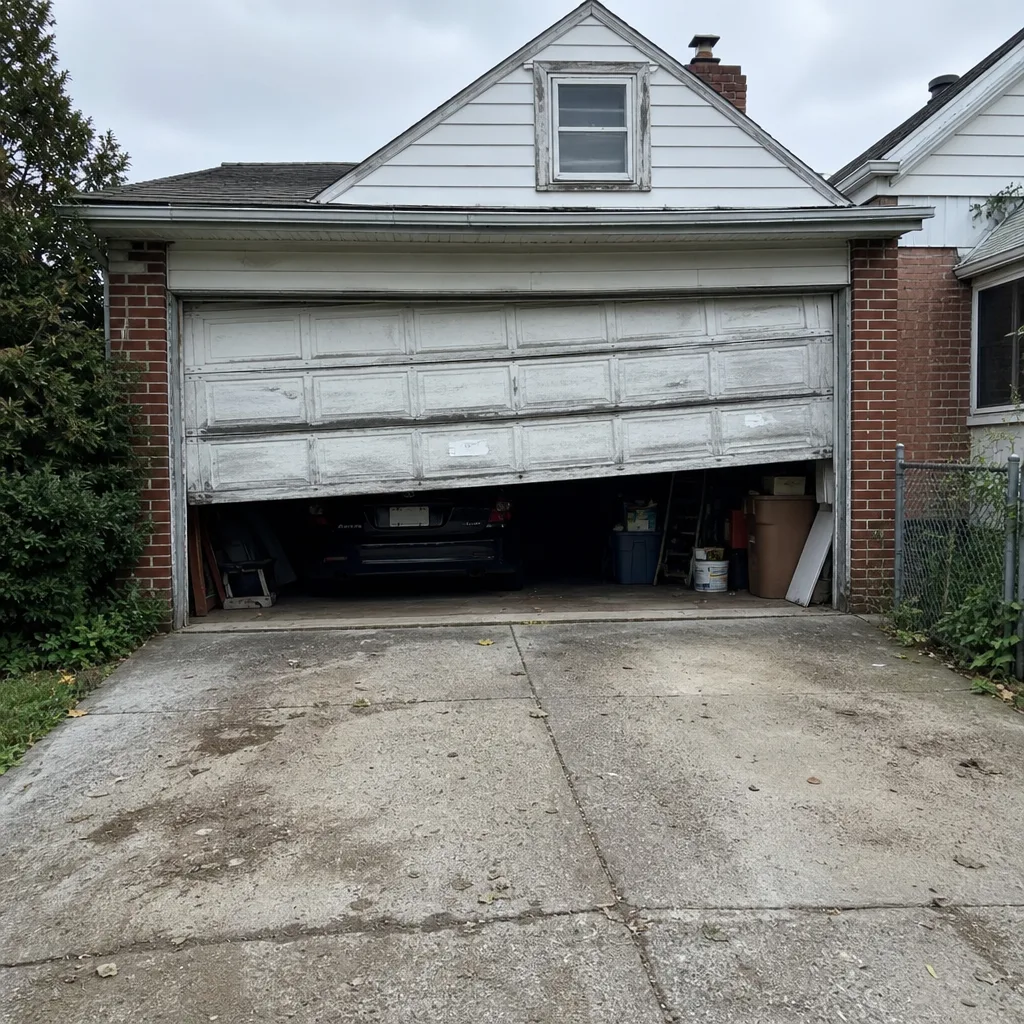 Before
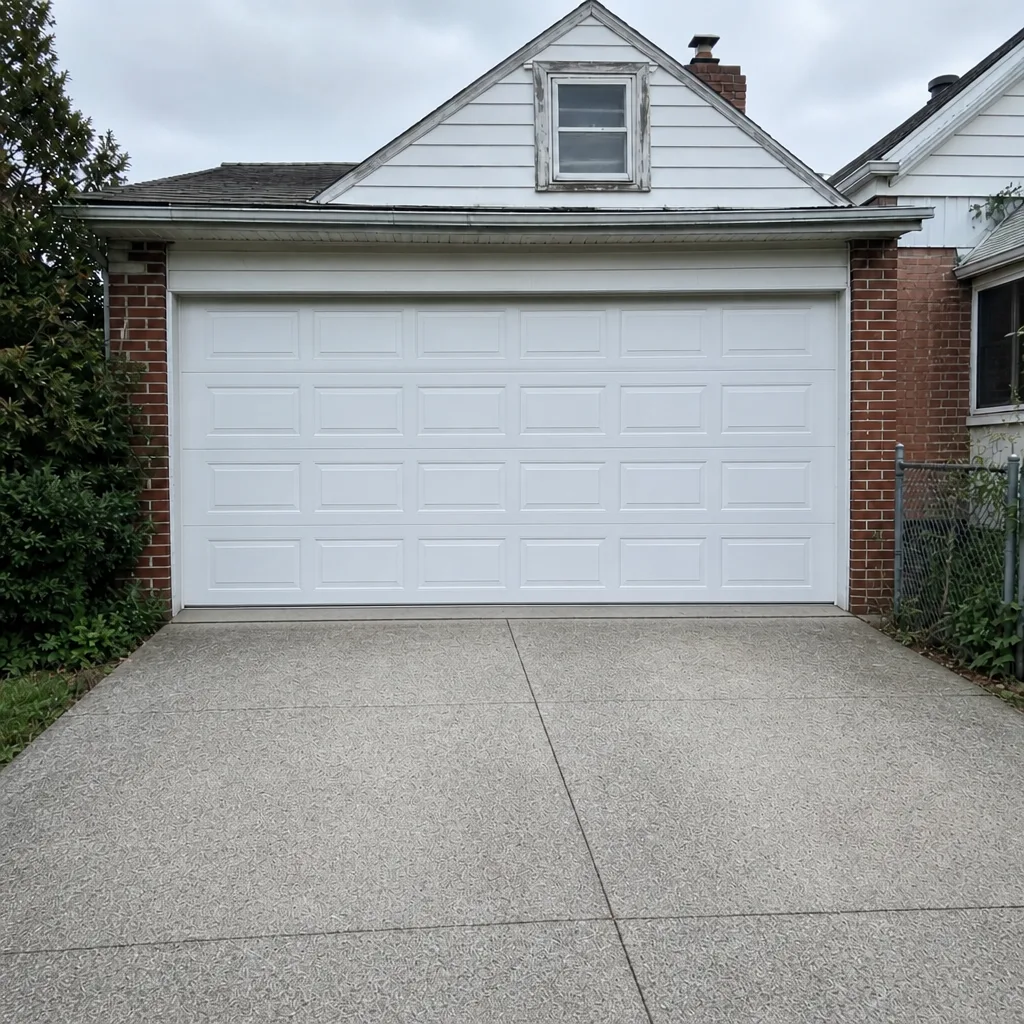 After
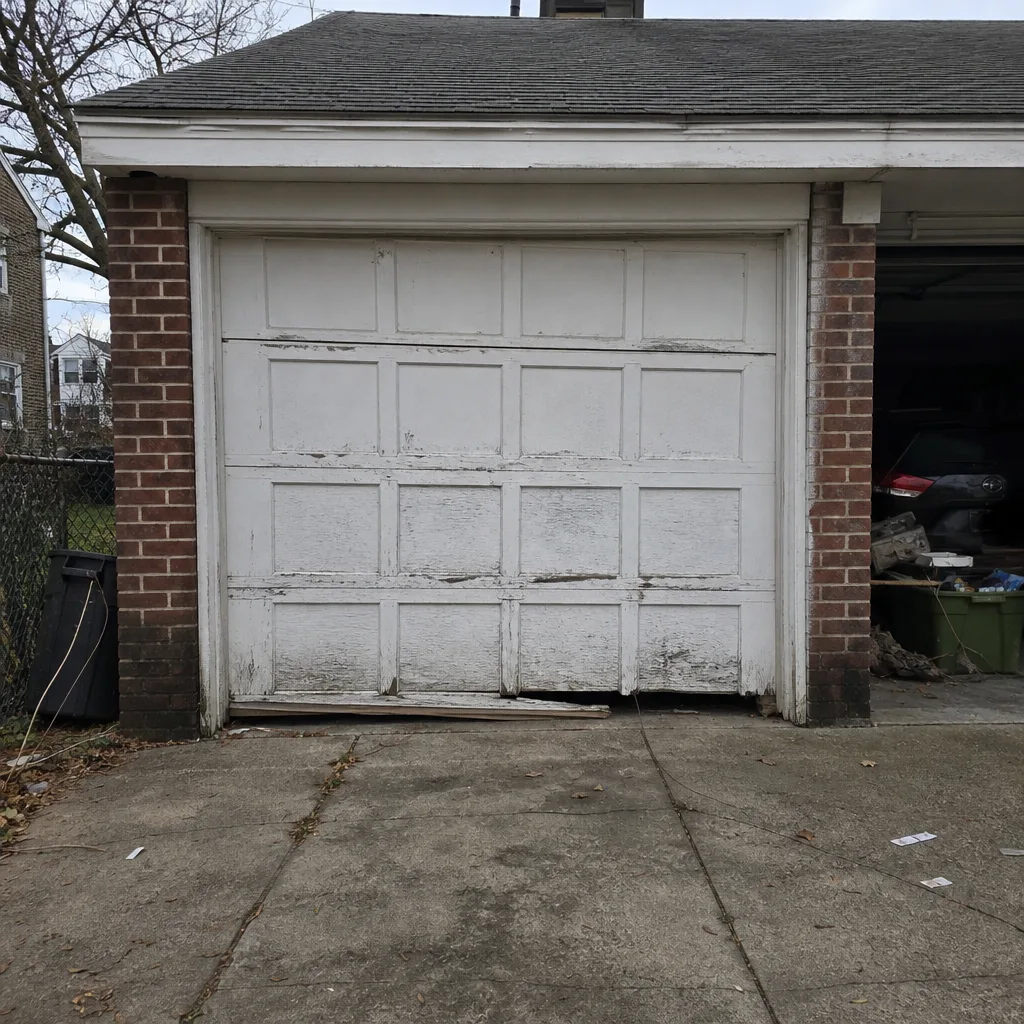 Before
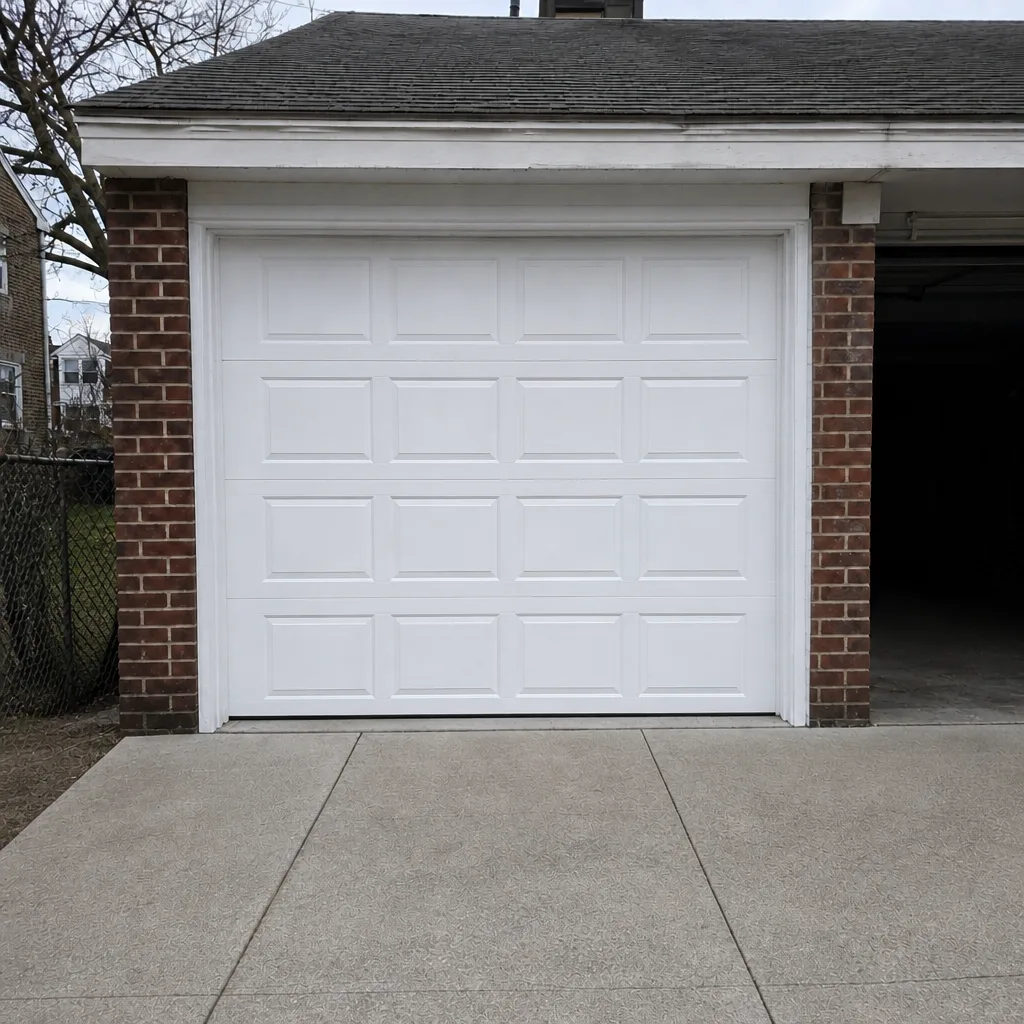 After
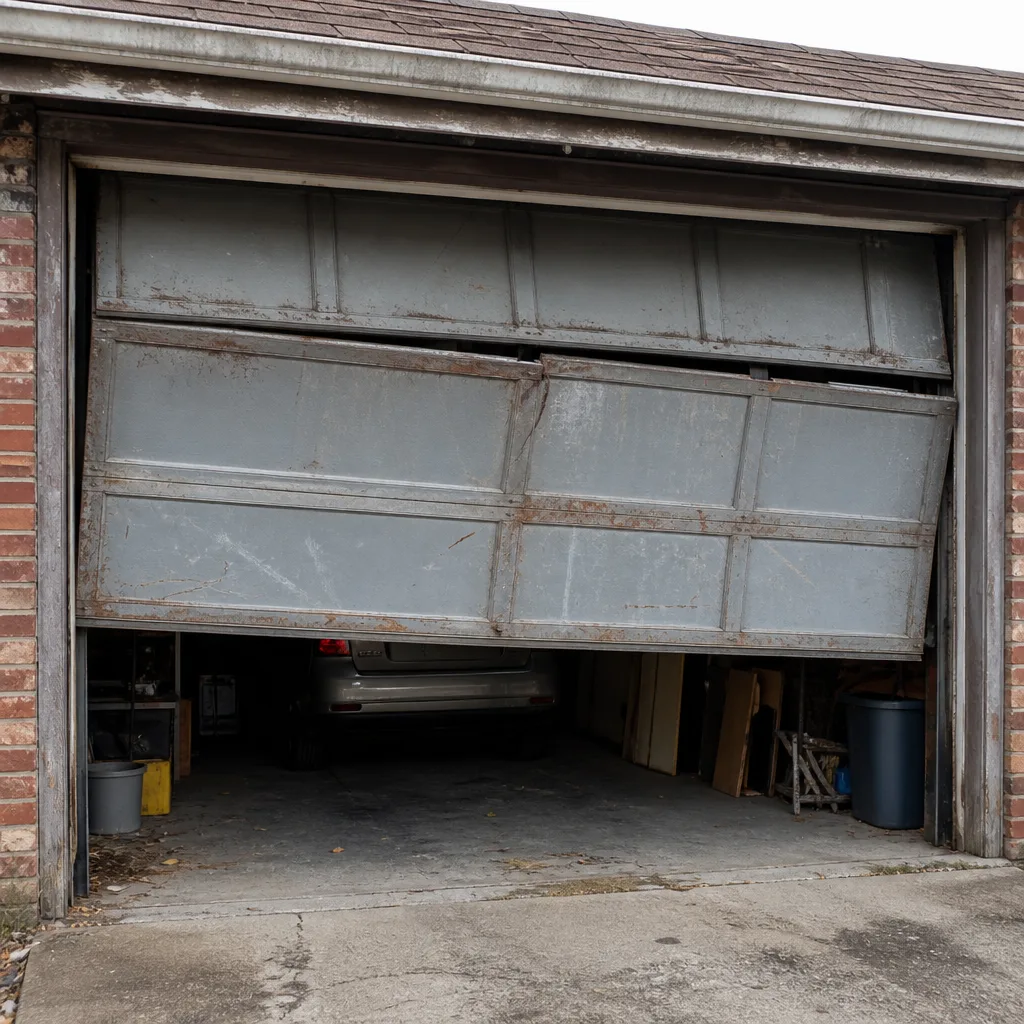 Before
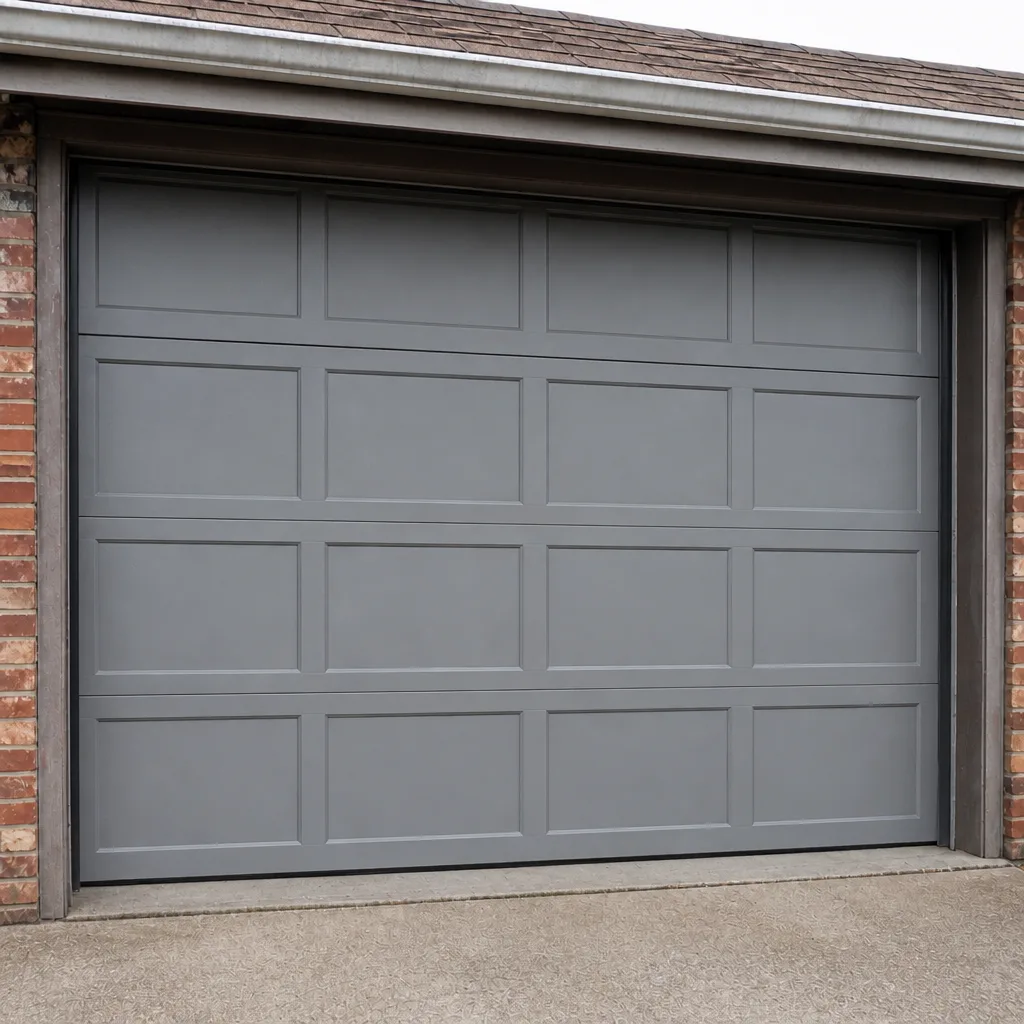 After
When to Call a Professional
Call a professional the moment you hear a bang from the garage, the door won’t move by hand, a cable looks frayed or slack, the door hangs crooked, or the opener cycles but the door doesn’t follow. Any of those is a scenario where forcing the door makes things worse. You should also call if the door reverses on its own mid-cycle, if you’ve had a break-in attempt and the door is compromised, or if the door won’t secure overnight. Garage Door Repair Holmesburg offers free estimates in Holmesburg – call (833) 509-3024. Our team handles emergency calls as a core service, not an upsell, and we’ll tell you whether repair or replacement makes the most sense for the door you have.
Frequently Asked Questions
A broken spring usually announces itself with a loud bang and the door is either stuck in one position or very heavy to lift. An opener problem usually means the motor runs but the door doesn’t move, or the opener is completely silent. Listen for the bang first, then try lifting the door a couple of inches by hand once the opener is disconnected. If it won’t budge, that’s a spring. Either way, call (833) 509-3024 for a diagnosis.
Yes, but only if the springs are intact and the door moves smoothly. Pull the manual release with the door closed, then lift the door straight up using the handle or frame. If it won’t hold itself open after you let go, the springs have failed and the door needs professional service before you operate it again.
Secure the door first, then call. Pull the manual release and re-close the door by hand if the springs are healthy. If it still won’t close, block the track with heavy duty clamps, light the area, move valuables out of the garage, and confirm the interior service door is locked. Then call (833) 509-3024 for an emergency repair.
No, our estimates are free, and the written estimate is the price you pay. We quote the job before any work starts, so there are no surprises when the invoice arrives. Call (833) 509-3024 to book an estimate.
Emergency service is a core offering for us, so we aim to get a technician to you as fast as the schedule allows, with dispatch running from 7am to 7pm. When you call, have your door’s brand and a description of the failure ready so the right parts travel with the tech. Call (833) 509-3024.
The local professionals we connect you with are licensed and insured as their state requires. The technician who arrives will confirm their credentials on-site if you ask. For a free estimate in Holmesburg, call (833) 509-3024.
The Bottom Line
Garage door emergencies aren’t all the same, and the right first response changes depending on whether the door is stuck down with a car behind it, stuck up and exposed, or sitting crooked with a snapped cable. Keep everyone clear, don’t force the door, don’t pull the manual release on a broken spring, and secure an open door overnight with blocking, lighting, and locked interior access. Know your door and opener brands before you call, so the right parts arrive on the first trip. Do the three-minute checklist once, and every future emergency gets faster and safer. Emergency garage door service is what we do, and we’ll tell you directly whether repair or replacement makes sense for your door.
When your garage door won’t move and the day can’t wait, call Garage Door Repair Holmesburg at (833) 509-3024 for a free estimate. Estimates are free, the price is written and agreed before any work starts, and our technicians have up to 9 years of experience with the hardware on Holmesburg’s doors.
Written by the team at Garage Door Repair Holmesburg.