Last updated November 21, 2026
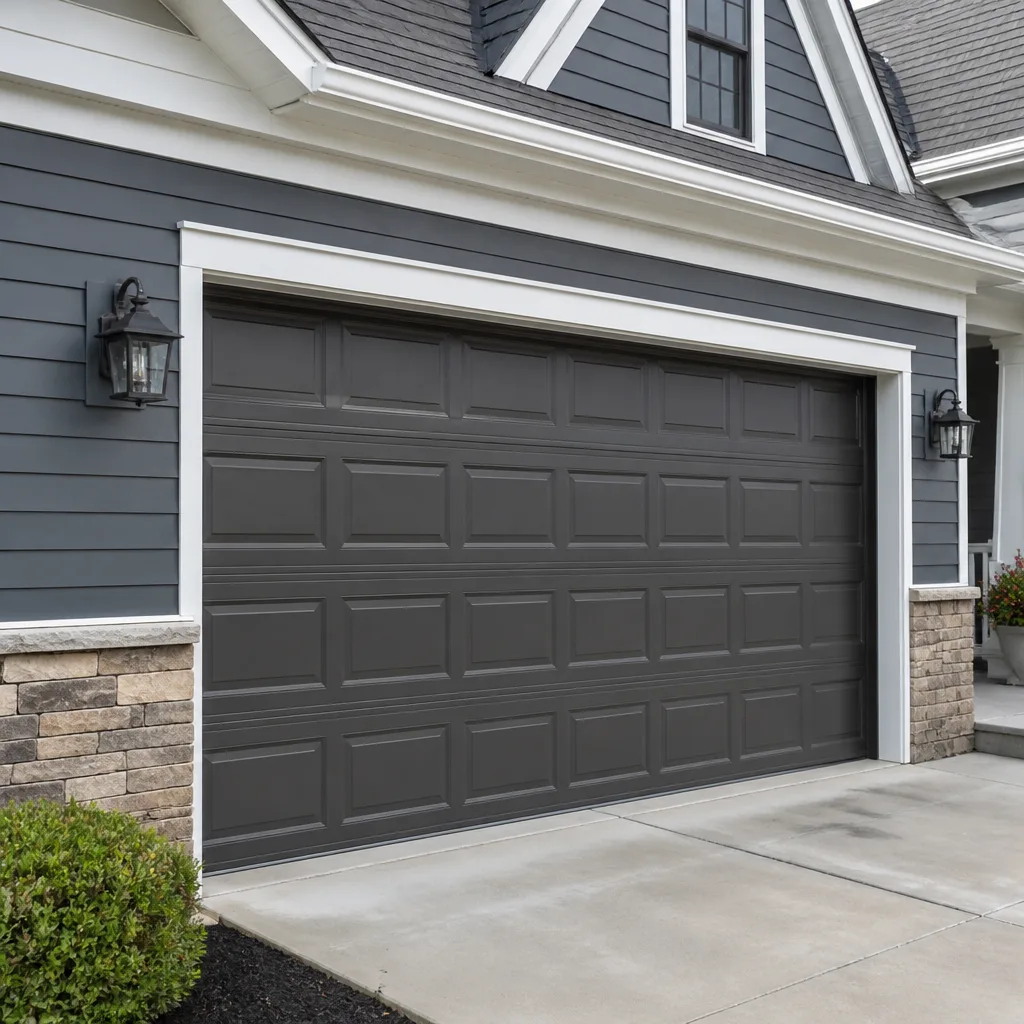 Raised-panel steel
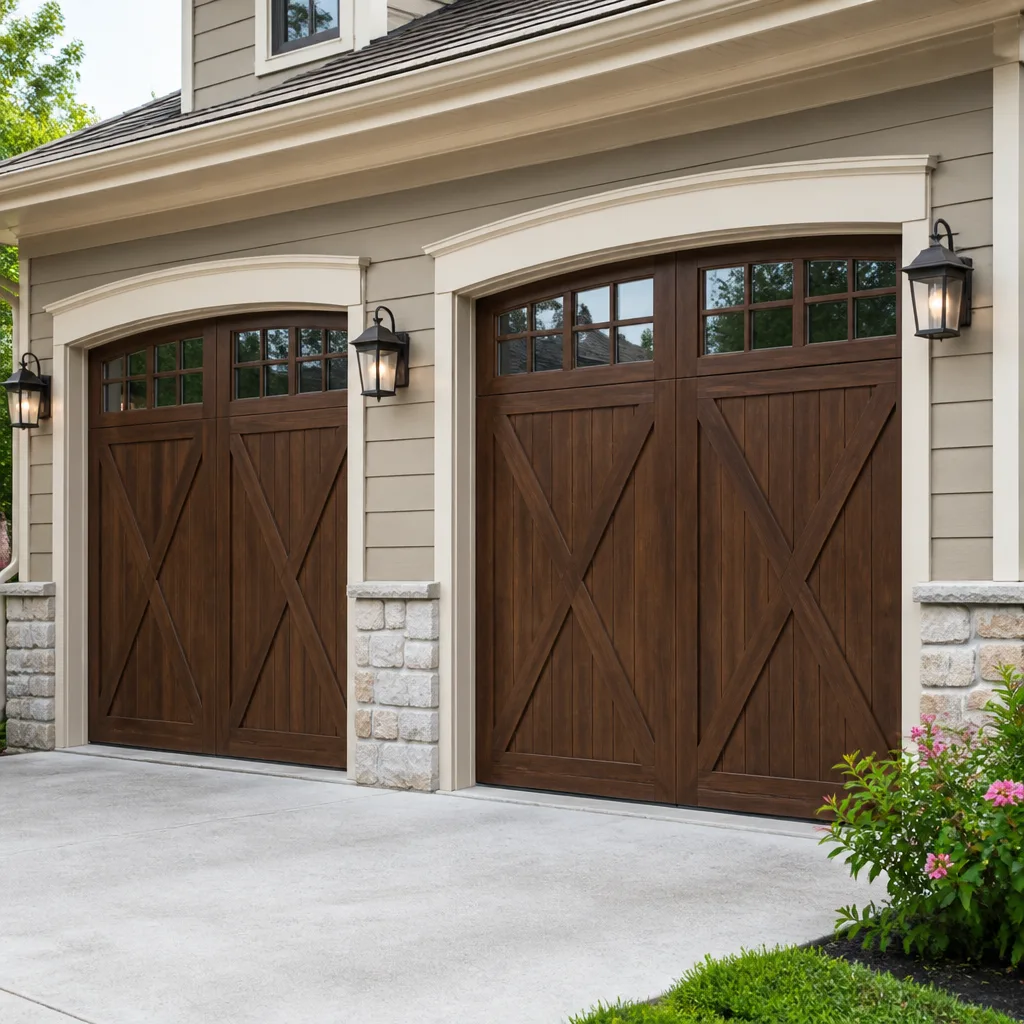 Carriage house
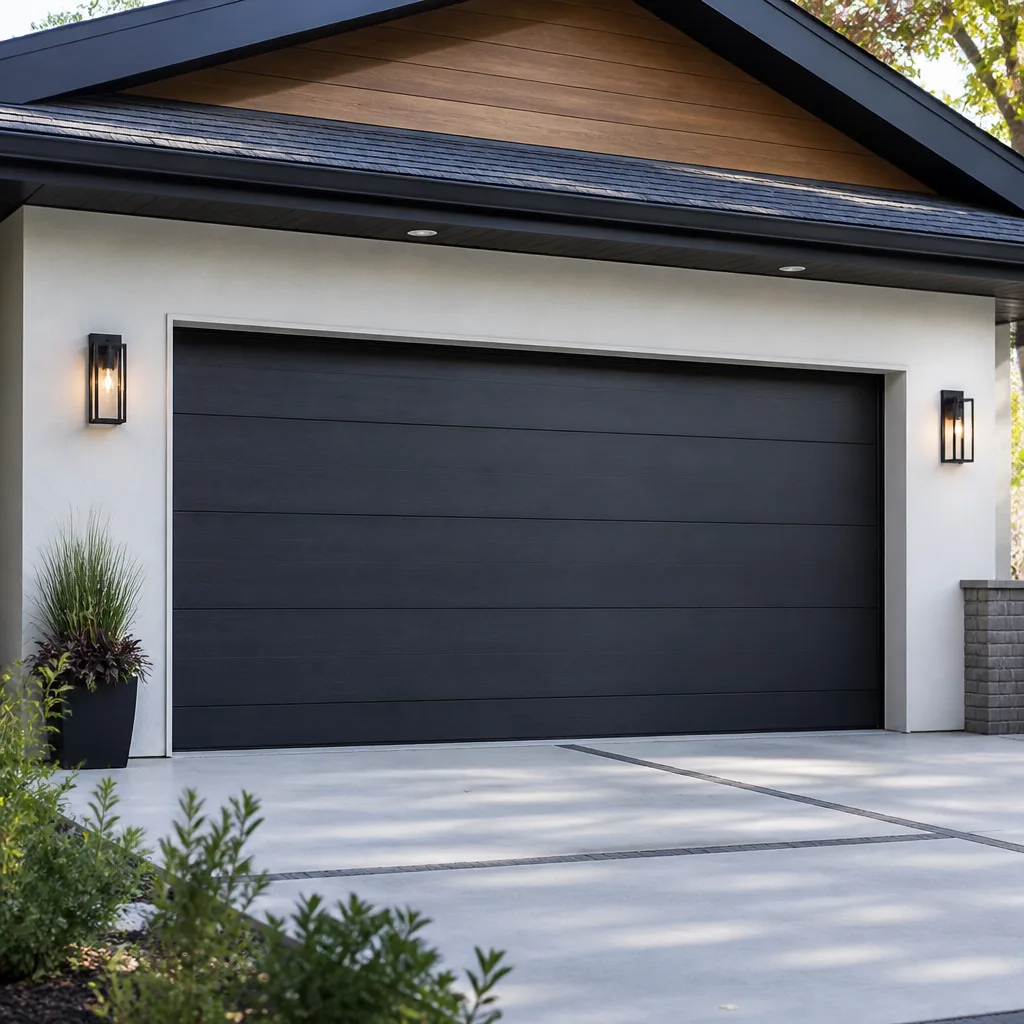 Modern flush
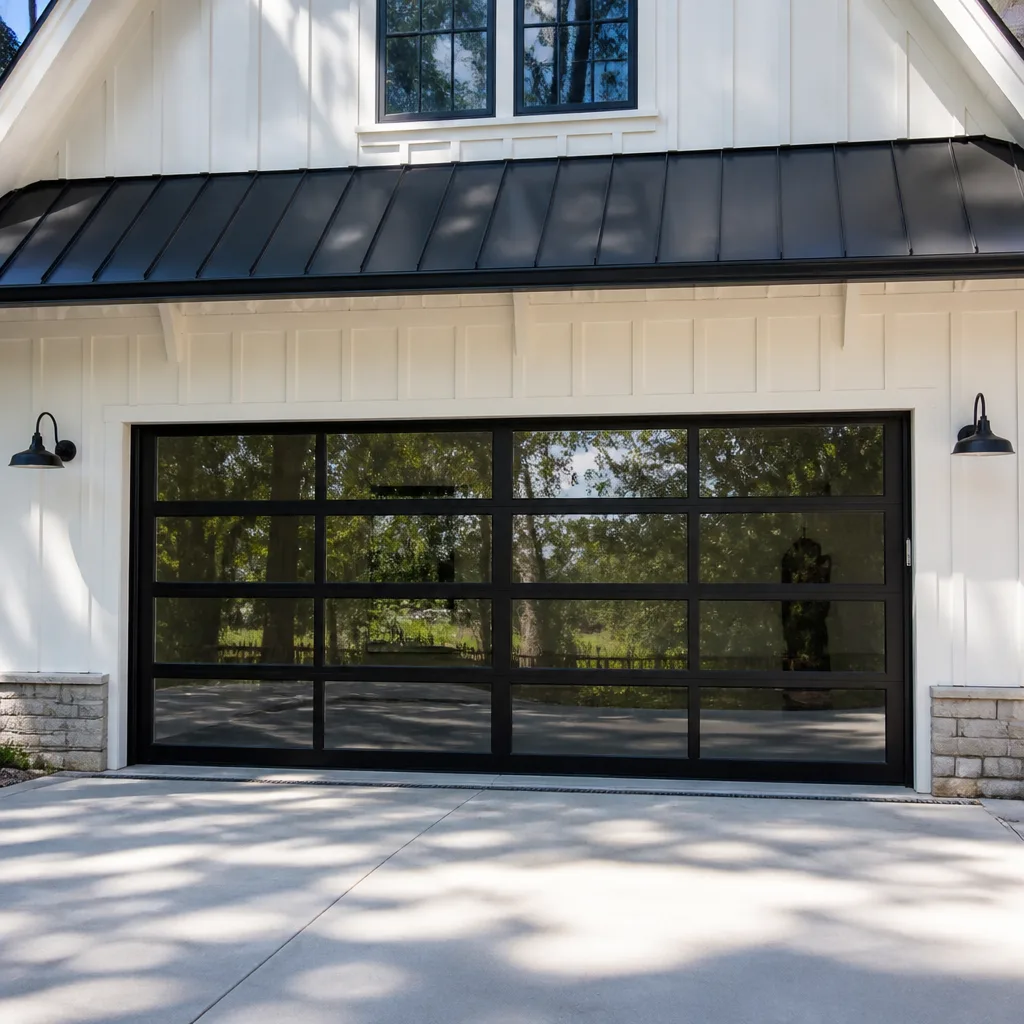 Full-view glass
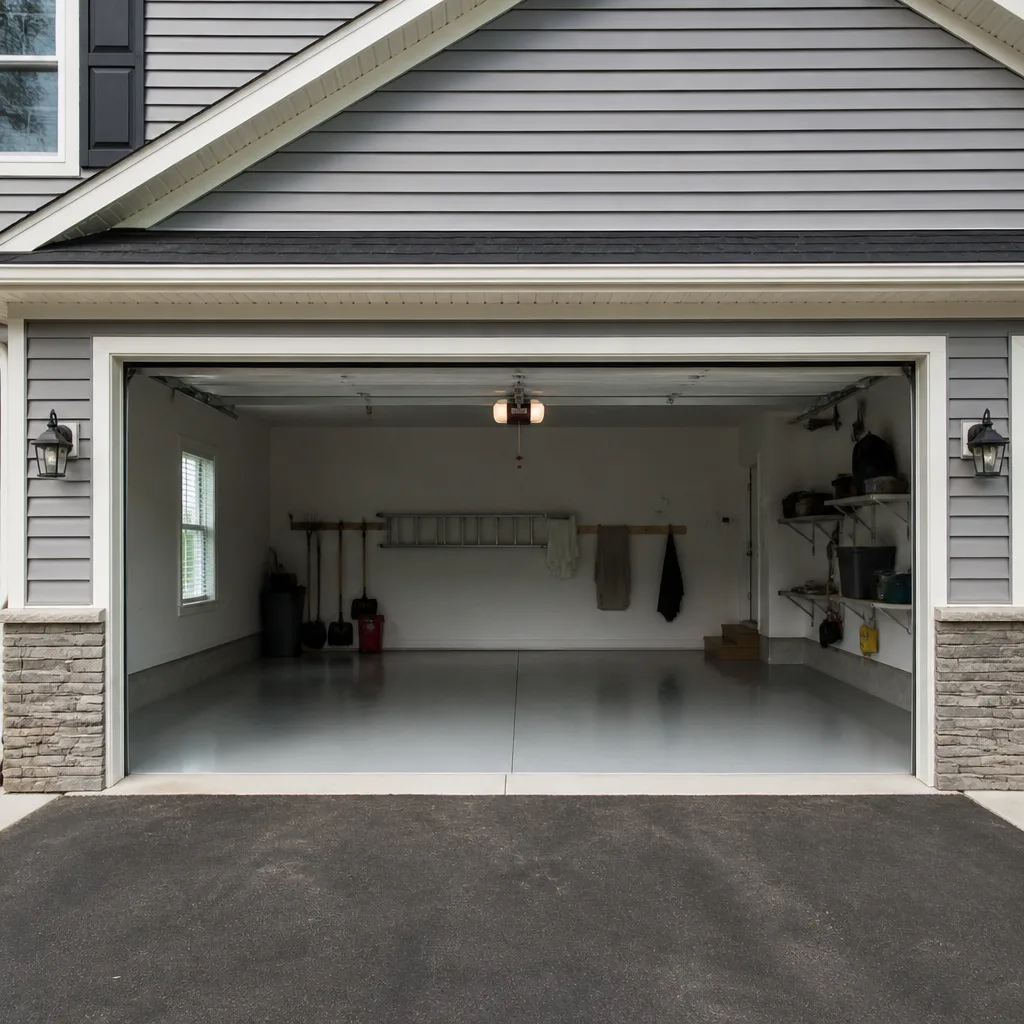 LiftMaster openers
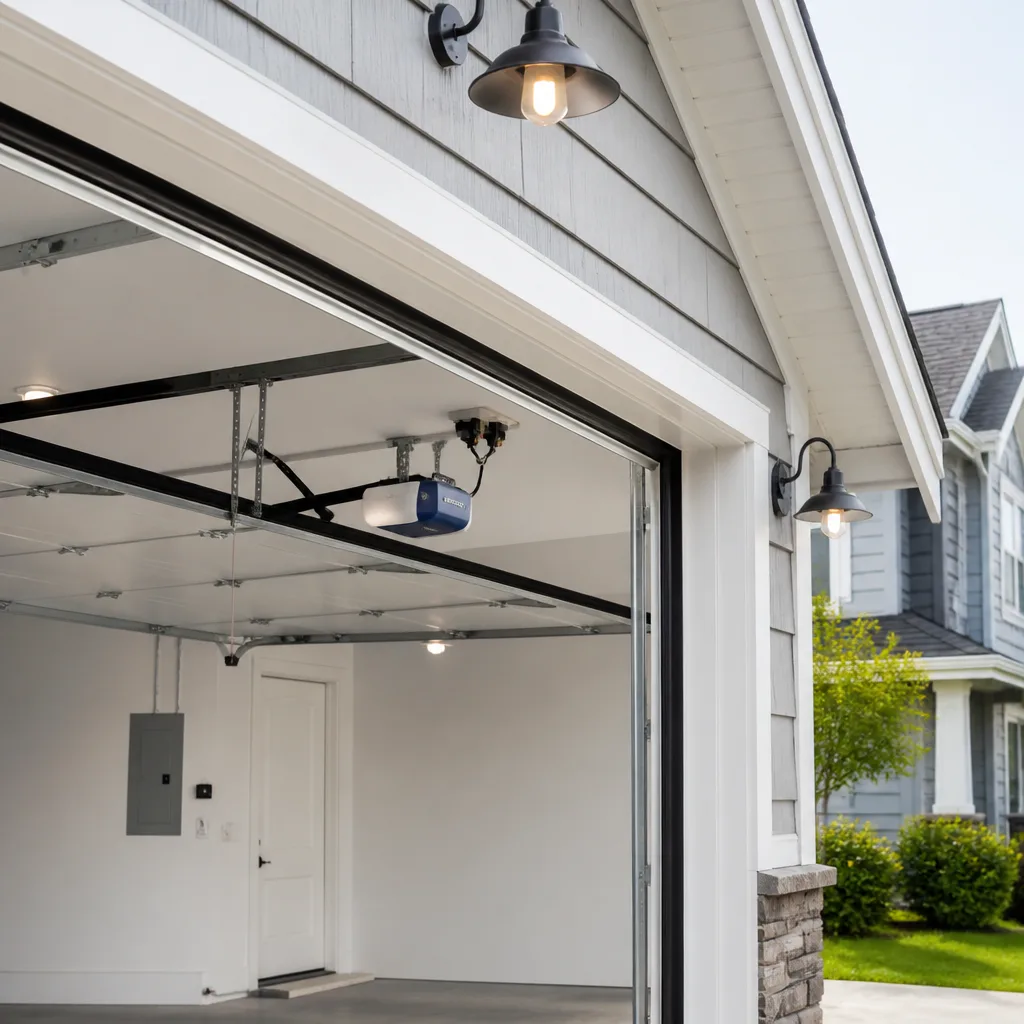 Chamberlain openers
Full 25-point door and opener safety check with every visit - springs, cables, rollers, tracks, and your LiftMaster or Chamberlain opener included
You get a price before we start. It does not change when the pro arrives.
Get your free estimateHow to Hire a Garage Door Contractor in Holmesburg: A Step-by-Step Guide
Here’s the part of the garage door business that surprises most homeowners: in Pennsylvania, a “garage door company” can legally be one person with a pickup truck, a Craigslist ad, and no verifiable credentials at all – and there’s nothing wrong with that until the day they damage your door, your car, or your property. Garage doors are heavy, spring-loaded machines, and the barrier to entry is low. In Holmesburg, where rows of older twin and single homes all have garages tucked behind or beside the house, the same handful of doors get a lot of use and eventually need real work. This guide gives you a framework for telling a specialist from an opportunist before you hand over a deposit – the questions to ask, the paperwork to demand, and the red flags that should send you looking elsewhere.
Quick Answer
To hire a garage door contractor in Holmesburg, ask five questions before you book: what brands they service, whether they carry the parts for your specific door or opener, how they handle spring work, what their written estimate includes, and whether they’re covered by Pennsylvania home improvement contractor registration. A legitimate garage door specialist will answer all five without hesitation and will put the price in writing before any work starts. If any answer feels vague or evasive, that’s your answer.
Styles & brands we work with
- Raised-panel steel
- Carriage house
- Modern flush
- Full-view glass
- LiftMaster openers
- Chamberlain openers
Table of Contents
- Why Garage Door Contractors Are So Hard to Vet
- The 5 Questions That Instantly Disqualify a Contractor
- What a Real Specialist’s Arrival Should Look Like
- Verifying Pennsylvania Contractor Registration (And What It Doesn’t Guarantee)
- Manufacturer-Authorized vs. “Does Garage Doors Too”
- Getting a Written Scope of Work That Protects You
- Spring Work: Why It’s the Real Test of a Specialist
- Repair vs. Replace: Getting an Honest Answer
Why Garage Door Contractors Are So Hard to Vet
Garage door repair has almost no barrier to entry. A person can buy a set of torsion winding bars, watch an afternoon of video, print a business card, and call themselves a garage door contractor. There’s no universal certification required to touch a residential garage door in Pennsylvania, no state exam specific to the trade, no licensing board you can search by specialty. That’s the core of the problem – it means the title on the magnet stuck to your screen door tells you almost nothing.
Compare that to electrical or plumbing work, where the state enforces defined credentials and a bad operator typically gets caught quickly. Garage doors fall into a gap: mechanical enough to be dangerous, but unregulated enough that the market is crowded with generalists and opportunists. The result is that homeowners in Holmesburg are left to do their own vetting, often at the worst possible moment – standing in a driveway with a dead door and a car trapped inside.
There’s also a real quality gap between someone who “does garage doors too” and a company that does nothing else. A generalist handyman who mostly hangs drywall may get a door moving again, but they may also install the wrong spring size, mistune an opener, or bypass a safety sensor – issues that show up weeks or months later, long after they’ve cashed the check. A single-trade specialist knows the difference between a LiftMaster opener’s logic board and a Genie’s, and knows that Clopay and Amarr doors frequently use different spring configurations for the same opening size.
That’s why the framework in this guide is built around specific, verifiable answers. You’re not looking for a personality fit or the lowest bid. You’re looking for hard evidence that the person in your driveway actually knows the trade.
The 5 Questions That Instantly Disqualify a Contractor
Ask these five questions on the phone before you ever book an appointment. A competent garage door specialist answers all five without hesitation. If any answer is vague, defensive, or redirected, disqualify them. This is the single highest-value five minutes you can spend on the whole process.
- “What brands do you work on?” The disqualifying answer is “any brand” with no specifics. The right answer names actual manufacturers – LiftMaster, Chamberlain, Genie, Clopay, Amarr, Wayne Dalton, Craftsman, Raynor – and can tell you which ones they see most often in your type of home. If they can’t name the brands you might find on your own door, they don’t work on doors at this level.
- “Do you carry the parts for my door on the truck, or does this need a second visit?” A specialist knows before arriving whether your job needs standard parts (springs, cables, rollers, sensors) that should be on hand, or a factory-specific component that needs to be ordered. The disqualifying answer is a shrug. The right answer is a specific one.
- “How do you handle spring repair?” Torsion spring work is the highest-risk repair in the trade. A specialist explains that it requires specific tools and training and that they won’t shortcut it. If the answer is vague or they seem unsure what torsion springs are, end the call.
- “Will you give me a written estimate before starting?” The right answer is yes, always, with line items for parts, labor, and any diagnostic charge. Any contractor who won’t put the price in writing before starting work is telling you something important.
- “Are you registered as a home improvement contractor in Pennsylvania?” The right answer is yes, with the registration number available on request. A contractor who doesn’t know what you’re talking about isn’t registered – and that’s a disqualifier for anything beyond minor repair.
These five questions cover brand fluency, parts availability, safety knowledge, price transparency, and legal standing in one call. If the answers are sharp, you’ve likely found a specialist. If they’re not, you’ve saved yourself a much more expensive problem.
What a Real Specialist’s Arrival Should Look Like
Even after a good phone call, watch what actually shows up. The truck, the tools, the paperwork, and the way the technician handles your door tells you everything about the level of professionalism you’re getting. In our experience, the gap between a specialist and an opportunist is obvious within the first five minutes of arrival.
What you should see
- A truck or van organized for garage door work specifically: springs sorted by size and wire gauge, torsion winding bars, a cable tension tool, opener-specific diagnostic equipment. Generalist trucks carry a mix of everything and nothing is where it should be.
- A technician who walks your door first – lifting, listening, checking the balance, testing the safety reverse – before touching anything with a tool. Diagnosis before action.
- Written or printed paperwork before work starts. Not a verbal quote from the driveway. A written scope with the price on it that you both sign.
- Specific questions about your door. “When did the noise start?” “Is it one side or the whole door?” “What opener brand is that?” An expert is curious about the actual problem, not just the quickest path to an invoice.
- A clear answer to “can you tell me what’s actually wrong” without jargon-shuffling. If they can’t explain what failed in plain language, they may not know.
What should raise flags
- No diagnostic walkthrough. They quote a number before examining anything. In our experience, a quote without diagnosis is a guess.
- Cash only, no receipt, no written estimate. This is the biggest single red flag in this trade. It means no accountability.
- Pressure to add services. A real specialist doesn’t need to upsell cable replacements or “tune-ups” on a job that’s just a broken spring. They quote what’s actually needed.
- A truck that looks like a general handyman setup – ladders, paint cans, drywall tools. If they do general contracting alongside garage doors, they’re not a specialist.
- No identification, no company name on the vehicle, no way to verify who you’re dealing with. Ask for a business card or their name and company before work begins.
Verifying Pennsylvania Contractor Registration (And What It Doesn’t Guarantee)
Pennsylvania requires most home improvement contractors to register with the state Attorney General’s office under the Home Improvement Consumer Protection Act. This registration is a real legal step – it requires a background check, a written contract for jobs over a certain dollar threshold, and a specific set of consumer protections. If you’re hiring anyone for a garage door job in Holmesburg, ask for the registration number and verify it.
Here’s the catch most homeowners don’t hear: registration is not a licensing exam. It does not test whether the contractor knows how to repair a torsion spring or diagnose a LiftMaster logic board. It’s a registration and consumer protection framework, not a competency certification. A registered contractor can still be terrible at the actual work.
That means registration is a floor, not a ceiling. Use it to filter out the bottom of the market – the contractor with no registration has chosen not to follow the law and is very likely the one who will disappear when something goes wrong. But among registered contractors, the difference between good and bad comes down to the technical questions in the previous sections.
Verify the registration at the Pennsylvania Attorney General’s website using the contractor’s name or registration number. If they can’t provide a number, don’t hire them for anything beyond emergency work you’re paying for in cash. Even at that, consider whether you want to give a registrationless contractor access to your home. Under the law, the registration is what gives you recourse if something goes wrong – without it, your options are limited to civil court, which is rarely worth the effort for a residential repair.
Manufacturer-Authorized vs. “Does Garage Doors Too”
The difference between a manufacturer-authorized service provider and a general contractor who also advertises garage doors matters for one thing above all others: warranty coverage. If your door or opener is still under a manufacturer warranty, using an unauthorized service provider can void parts of that warranty – and you may not find out until you need to make a claim.
Manufacturers like LiftMaster, Chamberlain, Genie, Clopay, Amarr, Wayne Dalton, Craftsman, and Raynor all maintain service networks. Authorized providers are trained on that manufacturer’s current systems, have access to original parts, and follow service procedures that keep the manufacturer’s warranty intact. That’s not a marketing claim – it’s how the warranty programs are structured.
A general contractor with a garage door ad in the local paper doesn’t have that relationship. They source parts wherever they can, they may not be familiar with the exact model’s quirks, and if something fails under the manufacturer warranty, you may find out the service wasn’t covered because it wasn’t done by an authorized provider.
For a simple repair on an older door that’s long out of warranty, the authorized status matters less. For a newer door, an opener still under warranty, or a full installation, it matters quite a bit. This is one of the reasons we work specifically on the eight brands (LiftMaster, Chamberlain, Genie, Clopay, Amarr, Wayne Dalton, Craftsman, Raynor) that make up the vast majority of residential doors in the Holmesburg area. Knowing those systems well isn’t a differentiator for its own sake – it’s a way to keep your warranty and your door’s performance intact.
Getting a Written Scope of Work That Protects You
Verbal quotes are the source of most garage door billing disputes. A contractor says “$250 to fix the spring” in the driveway, then the invoice comes in at $450 because “we had to replace the cables too.” Whether that’s fair or not, you have no recourse if nothing was in writing. The written scope is the single most important document in the whole engagement.
Here’s what a written scope of work should include:
- Specific line items. Not “spring repair” as a single line. Each part and each labor task should be listed with its price. Torsion spring, winding bars labor, cable inspection, safety sensor test – each separated.
- Parts with model numbers. The spring should have a wire gauge and length. The opener part should have a manufacturer model number if it’s a replacement. If they can’t give you this, they’re guessing at the part.
- Diagnostic fee (if any) stated separately. If there’s a service call charge, it should be listed. If the diagnostic is free with the repair, the scope should say that.
- Labor warranty in plain language. “Labor is warranted for X days from service” or “We warrant our spring installations for X months” – in writing, not as a verbal promise. Any written labor warranty should specify what it covers (parts, labor, or both), for how long, and what voids it.
- Price with clear terms. The number the contractor quotes on the scope should be the number you pay if they do the work described. Any change in scope requires a revised written quote before the work proceeds.
- Signature lines for both parties. You and the contractor both sign before work starts. This is not just a formality – it’s your evidence if the engagement goes sideways.
Ask for this before any technician picks up a tool. A specialist will have it ready. An opportunist will push back. That pushback is the answer to your question about whether they’re the right hire.
Spring Work: Why It’s the Real Test of a Specialist
Garage door springs store an enormous amount of energy. A torsion spring under tension can cause serious injury in a fraction of a second if it’s handled wrong, and the same is true of extension springs. This is not a scare tactic – it’s the reason spring work is the one repair we never recommend for a homeowner to attempt themselves, and it’s the reason a contractor’s spring capability tells you more about their skill level than anything else they’ll do at your house.
Every spring repair requires specific safety tools: properly sized winding bars for torsion springs, cable clamps, and a methodical sequence of securing the door before releasing tension. A generalist without those tools, or without the training to use them safely, is a real hazard. In our experience, the contractors who minimize the danger of spring work are usually the ones least qualified to do it.
Ask any contractor you’re considering:
- Do they carry the correct winding bars for your spring size?
- Do they cycle-test the door and check balance after the repair?
- Do they replace one spring or both, and why? A matched pair is usually replaced together because the second spring is the same age and will fail soon after the first. A specialist explains this honestly – a generalist may quote one spring because it’s cheaper, then charge you again for the second months later.
If a contractor quotes one spring in a pair without explaining why, that’s a flag. The honest answer is usually “both, because they’re matched.” If the door is very old and only one spring failed, a specialist will still usually recommend replacing both – and will tell you why in plain language. Our garage door repair team handles both torsion and extension spring work as part of our core service.
Repair vs. Replace: Getting an Honest Answer
Here’s a decision you’ll face eventually: is the door worth repairing, or is it time to replace it? A specialist gives you an honest answer here. An opportunist will push you toward replacing a door that has years of life left in it. A door that’s had a single spring fail is very rarely a replacement candidate – it’s a repair. A door with a cracked panel, a bent track, and both springs on their last leg is a different conversation.
The factors that matter:
- Age and condition of the door panels. A Clopay or Amarr door that’s been well maintained can often be repaired for far less than a new door costs. A door with rust-through, delamination, or panels that are no longer manufactured is a replacement scenario.
- Frequency of repairs. One spring failure is normal. Three repairs in two years suggests the door is telling you something.
- Opener compatibility. If you’re replacing the door and have an old opener, a new door may require a new opener too. Ask before the estimate.
- Safety upgrades. Older doors without modern safety sensors or with damaged panels may benefit from replacement beyond just repair cost. If a door can’t be made to reverse correctly, that’s a safety issue that matters more than the price tag.
If the honest answer is “repair,” that’s what a specialist will tell you. If it’s “replace,” that’s a conversation about garage door installation that should include a free measure and a written quote, not a same-day commitment. Installation work is measured, ordered, and scheduled – no reputable contractor should pressure you into a same-day decision on a new door.
If your opener is the part failing rather than the door itself, that’s a separate diagnosis. Our garage door opener repair service covers the electronics side, and we work on LiftMaster, Chamberlain, Genie, and Craftsman systems specifically – the logic of each brand is different, and treating them like interchangeable electronics is how homeowners end up with a “fixed” opener that fails again in three months.
Common Mistakes to Avoid
- Hiring on price alone. The lowest bid in Holmesburg is often the contractor who will do the least and disappear first. Price matters, but a written scope and a clear track record matter more.
- Skipping the phone screen. Jumping straight to “can you come today” wastes your time and theirs. Five questions on the phone filter out most of the problems before anyone shows up.
- Accepting a verbal quote. In a Holmesburg row home neighborhood where the driveways are tight and parking is limited, it’s tempting to just get it done. But the verbal quote is the source of most billing disputes in this trade. Get it in writing.
- Letting a generalist touch a torsion spring. This is the single most dangerous repair in the trade, and it’s the one where an untrained contractor is most likely to hurt themselves, damage your door, or both. If your contractor isn’t specifically equipped for spring work, find someone who is.
- Assuming registration is the whole picture. PA registration is a legal floor, not a competency test. A registered contractor can still be bad at the actual work. Use registration plus the five questions plus the arrival walkthrough.
- Not asking about warranty coverage. If your door or opener is still under manufacturer warranty, an unauthorized repair can void it. Ask before work starts.
- Replacing a door that just needs repair. A failed spring is not a reason for a new door. If a contractor pushes replacement on a single-spring failure, get a second opinion.
See the difference
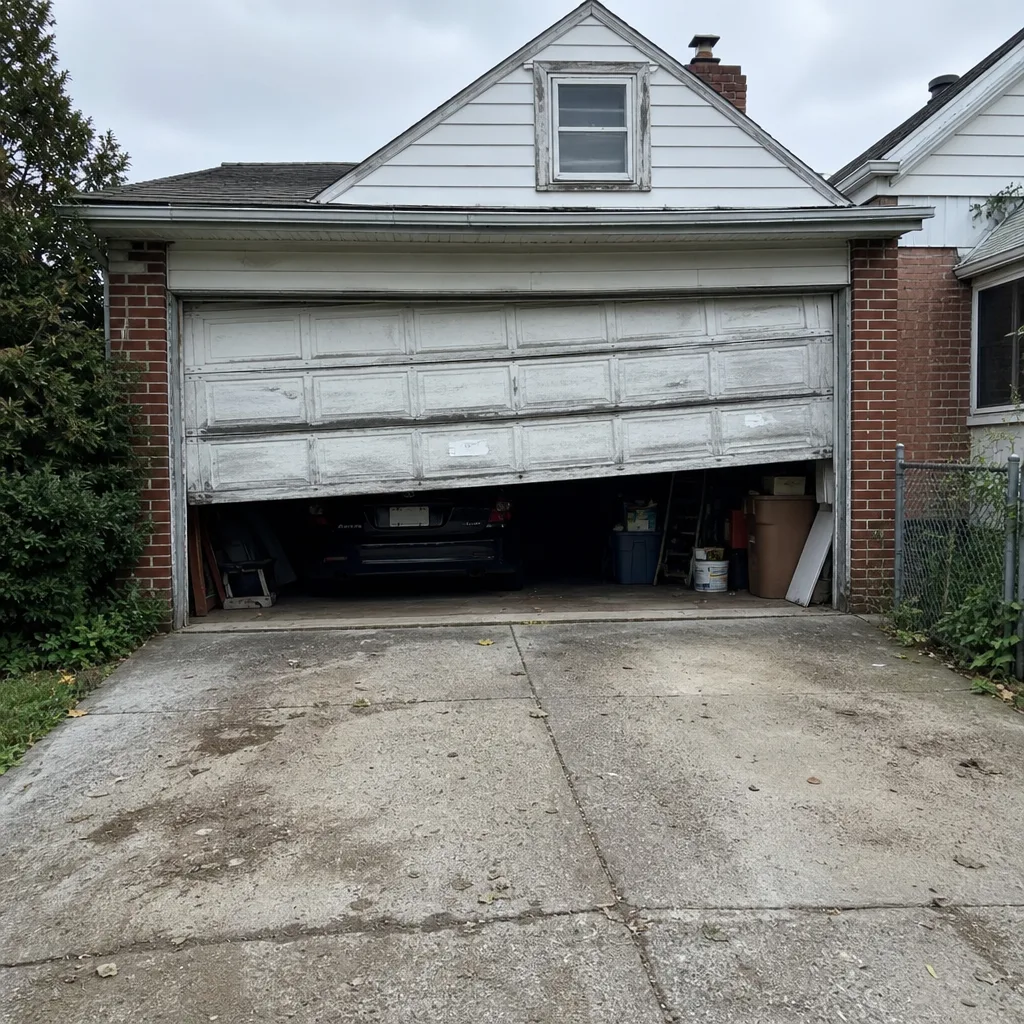 Before
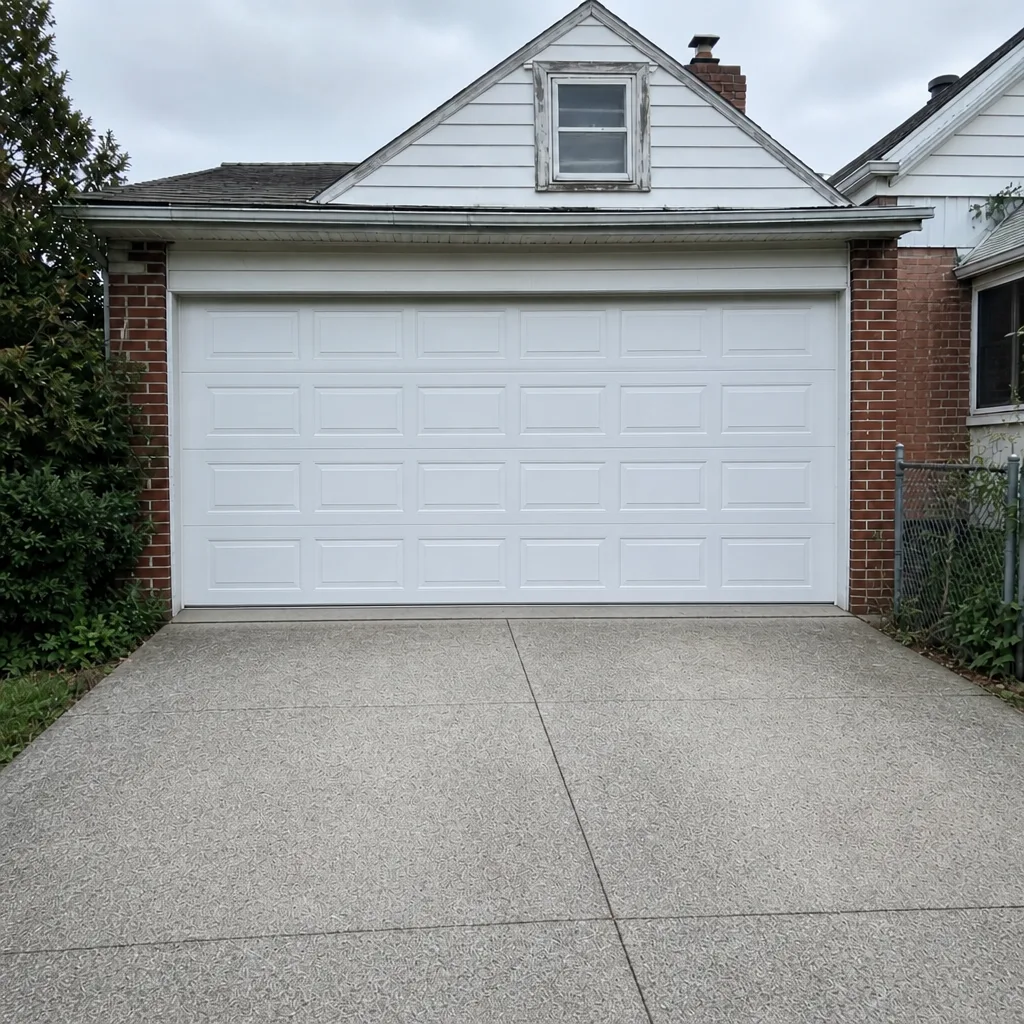 After
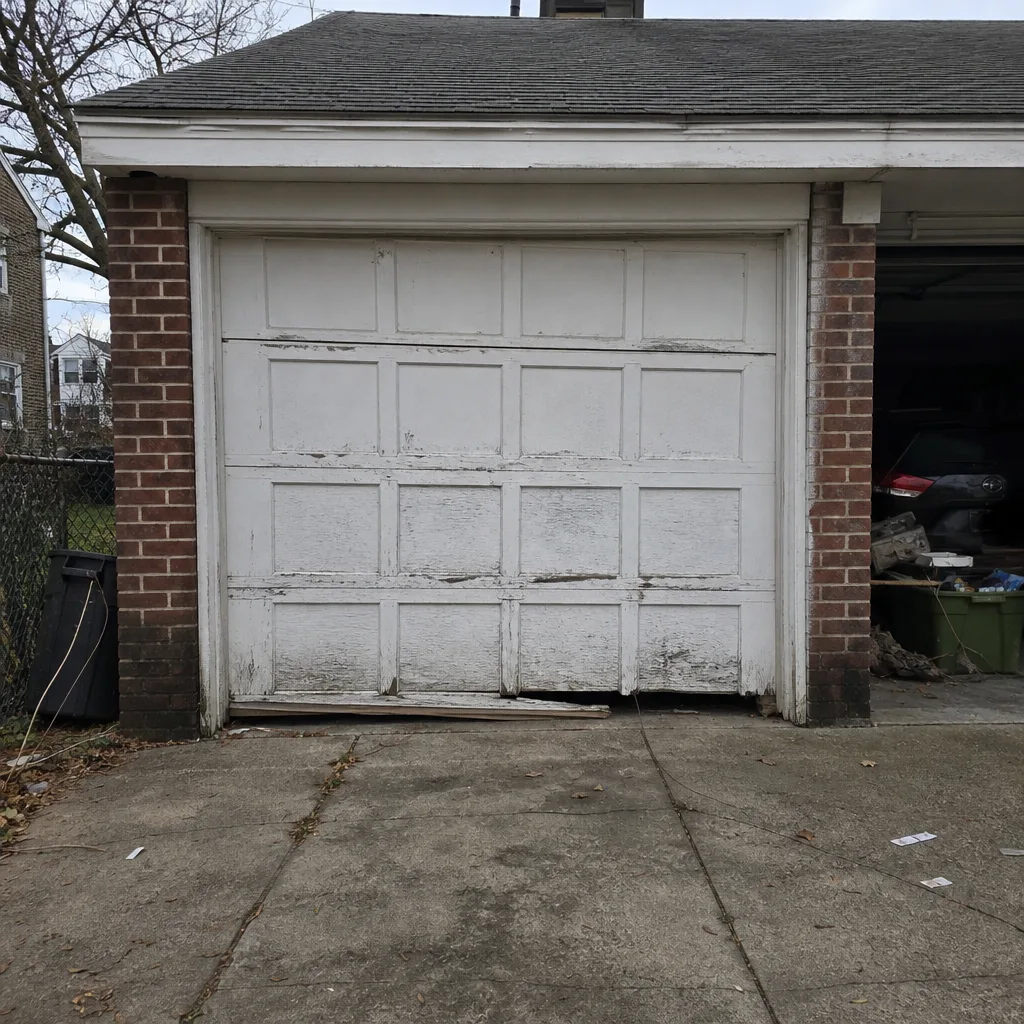 Before
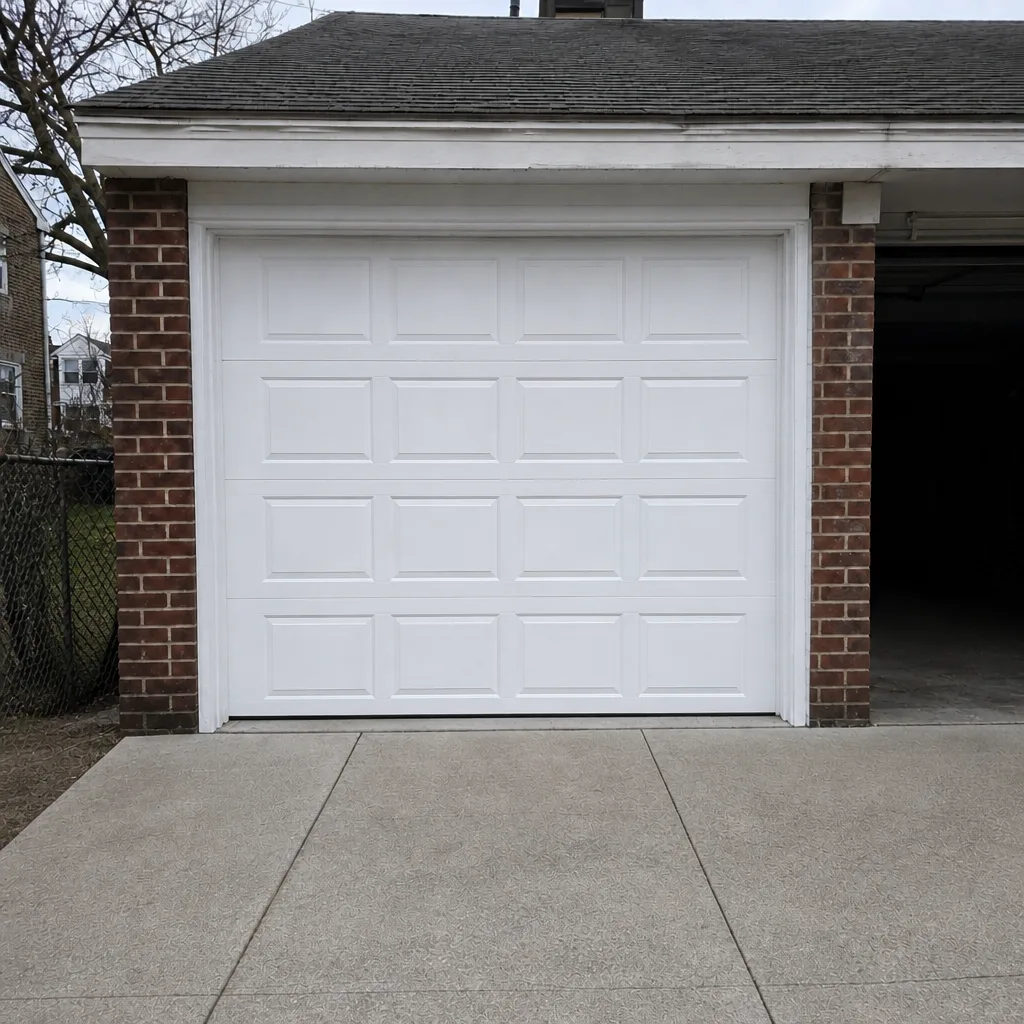 After
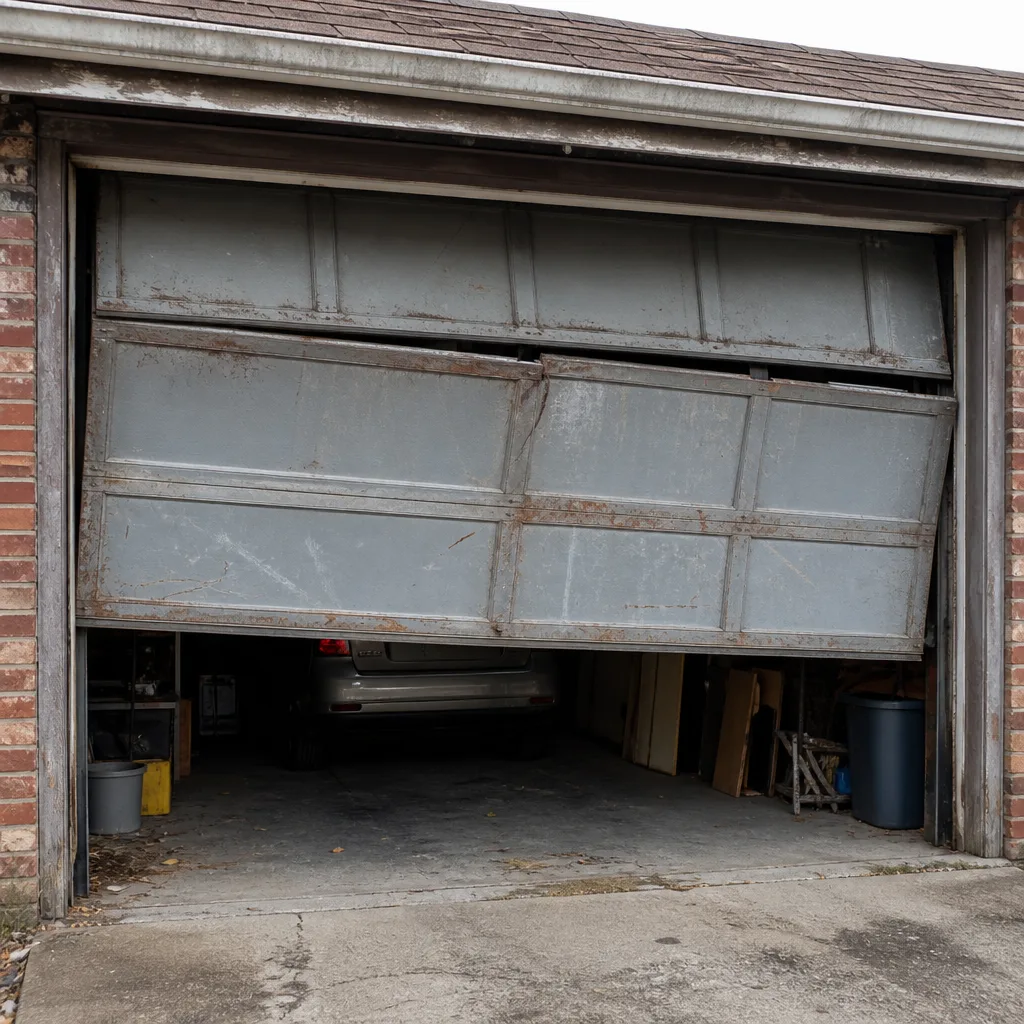 Before
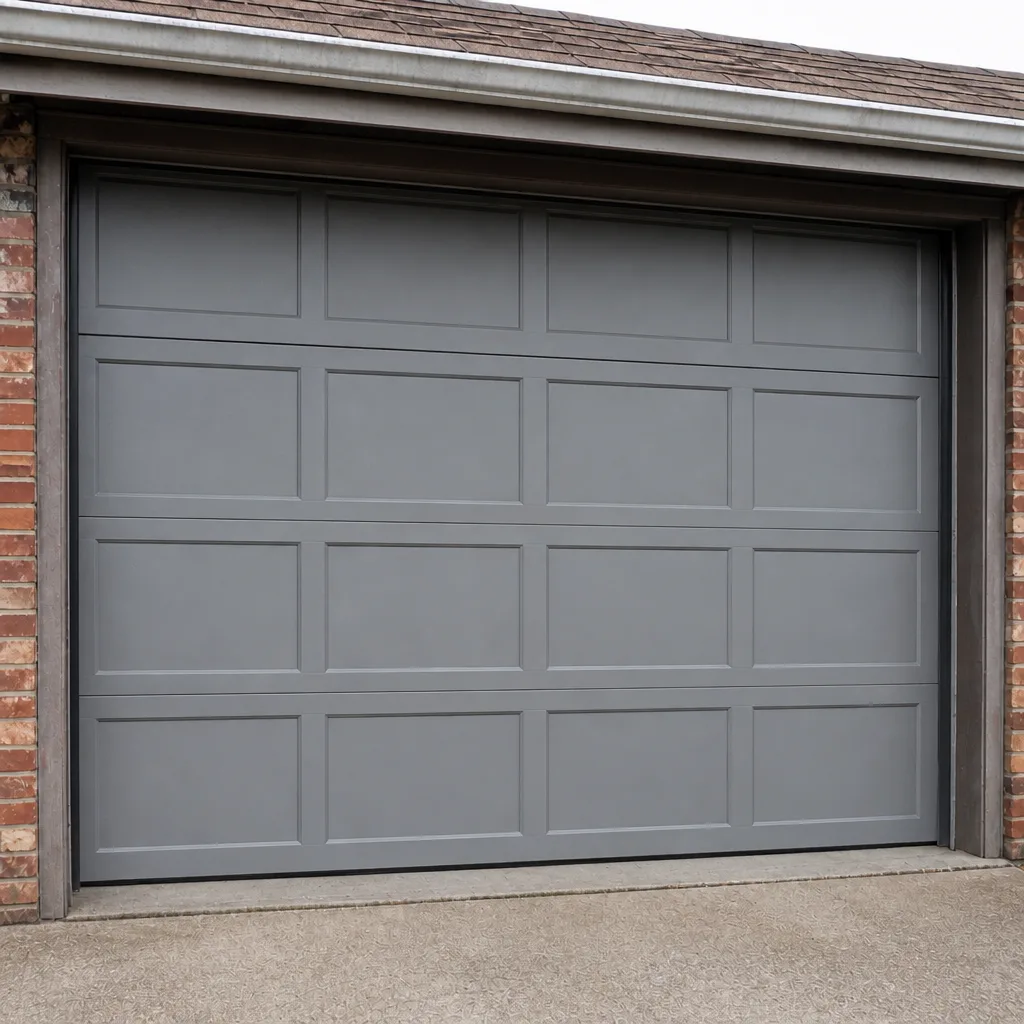 After
When to Call a Professional
Some garage door problems are small enough to wait. Others need a specialist today. Call a professional immediately if the door won’t close all the way (a safety and security gap), if a spring has visibly broken, if the door is hanging off its track or stuck open, or if the opener runs without moving the door. Those are the calls where waiting only makes things worse – and where a specialist who works on doors all day, every day, will diagnose the problem faster than a generalist who has to look it up.
Repairs that can wait a day or two: a noisy door, slow opener response, one remote that stopped working, or a door that reverses intermittently. Those still need a specialist, but you have a little time to screen your calls properly. Garage Door Repair Holmesburg offers free estimates in Holmesburg – call (833) 509-3024 to schedule a walkthrough or an emergency visit. If your door is stuck and life can’t wait, our emergency service is built for exactly that situation, and we’ll diagnose and quote the price in writing before any work begins.
Frequently Asked Questions
Typical garage door repair in Holmesburg runs in a wide range depending on the specific failure – spring replacement, opener diagnosis, cable work, and panel repair all price differently. A single torsion spring replacement is the most common repair we see, and a matched pair costs roughly twice a single spring. The written estimate sets the final price, so ask for one before work starts. Call (833) 509-3024 for an exact quote on your door – estimates are free.
Yes – for emergency and repair calls, we offer same-day service and fast dispatch from 7am to 7pm. If your door is stuck, the spring has snapped, or your car is trapped inside, call (833) 509-3024 and we’ll get you on the schedule for the day. Installation and new-door work is measured and scheduled differently – for that, we offer a free measure and a written price.
No – the price we quote in writing is the price you pay for the work described. We diagnose before we quote, and the written scope lists each part and each labor task. If we discover something the initial diagnosis couldn’t see (like a cracked cable under the drum), we’ll come back to you with a revised written quote before proceeding, not surprise you on the invoice.
Our technicians have up to 9 years of experience, and the local pros we connect you with are licensed and insured as required by Pennsylvania – we don’t send uncredentialed help. Ask any contractor you hire for their PA home improvement registration number and verify it. That registration is what gives you legal recourse if something goes wrong.
Spring repair is the highest-skill, highest-risk repair in the trade. A torsion spring stores enough energy to cause serious injury if it’s handled wrong, and it requires specific tools and training to replace safely. The cost reflects that risk and the skill level needed. A matched pair of springs is usually replaced together because the second spring is the same age and will fail soon after the first – we’ll tell you which option actually makes sense for your door.
We work on the eight brands that make up most residential doors in Holmesburg and the surrounding neighborhoods: LiftMaster, Chamberlain, Genie, Clopay, Amarr, Wayne Dalton, Craftsman, and Raynor. That means we’re familiar with the actual components of each system – not working around them with generic parts. Our opener work covers LiftMaster, Chamberlain, Genie, and Craftsman logic boards and remotes specifically.
The Bottom Line
The garage door industry has a vetting problem, and the framework in this guide is your solution. Ask the five disqualifying questions before you book. Watch the arrival – the truck, the tools, and the paperwork tell you whether you’re dealing with a specialist. Verify Pennsylvania home improvement contractor registration, but understand it’s a floor, not a competency test. Know the difference between a manufacturer-authorized provider and a contractor who “does garage doors too,” especially if warranty is a concern. And get a written scope of work with specific line items, model numbers, and a labor warranty in plain language. A garage door failure is stressful enough without a contractor problem on top of it. If it’s a garage door problem, it’s the only kind of problem we solve – and that focus is what makes the difference on your Holmesburg door.
For a free estimate or to schedule a visit anywhere in Holmesburg, call (833) 509-3024. We offer same-day service for repair and emergency calls, fast dispatch from 7am to 7pm, written estimates before any work starts, and an honest repair-or-replace recommendation on every job. You can also start with our Garage Door Repair Holmesburg page to see the full service scope before you call.
Written by the team at Garage Door Repair Holmesburg.